*This is a collaborative guest post.
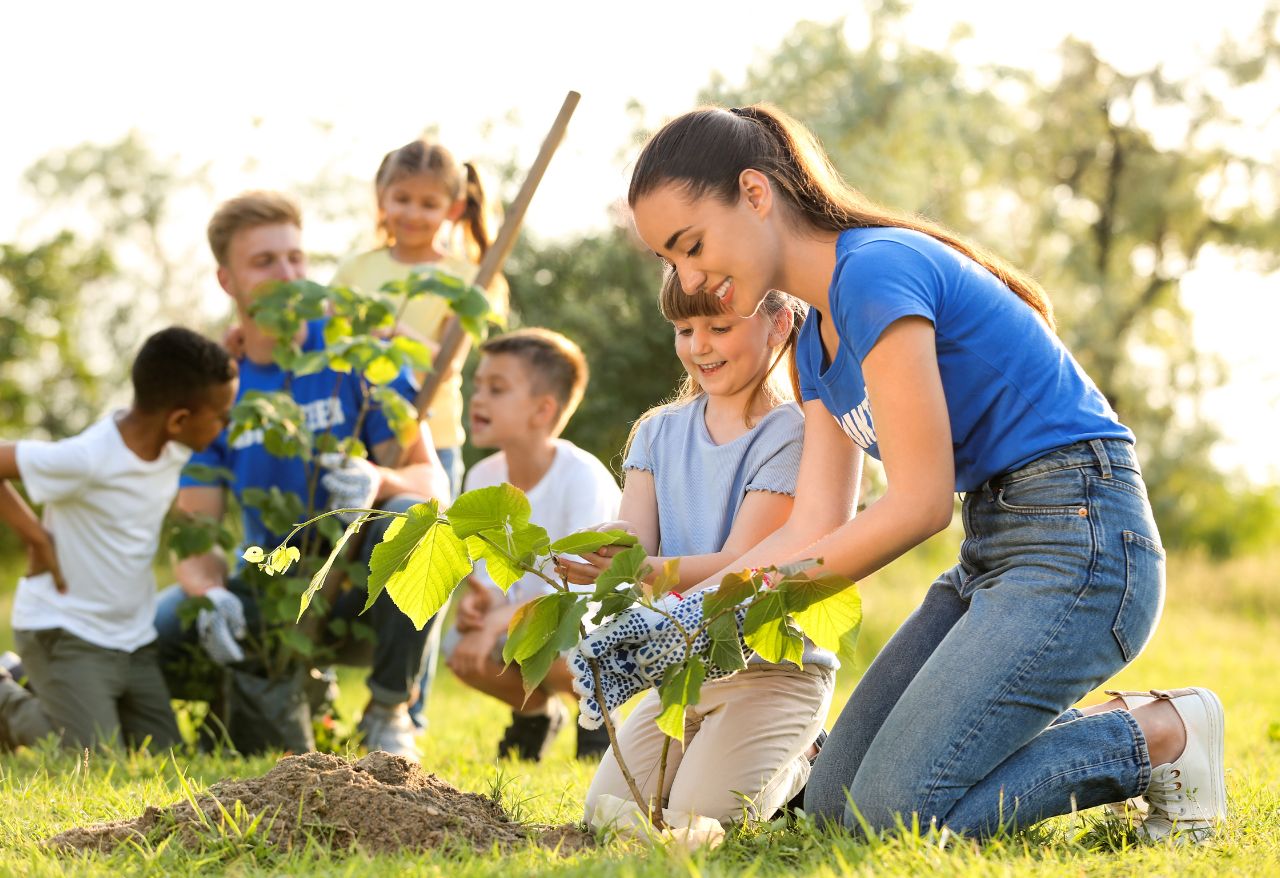
Introducing children to gardening can be a delightful way to spark their curiosity about nature, nurture responsibility and encourage eco-friendly habits from a young age. Whether you’re aiming to create memorable family moments or teach them about sustainability in a more hands-on way, these practical tips can help transform gardening into an exciting, year-round adventure.
Start with Simple and Fun Projects
Begin by engaging your children with easy, hands-on activities that offer quick and rewarding results. Plant fast-growing seeds such as sunflowers or radishes, these provide visible progress within days and keep young minds excited about gardening. Sensory projects are also a hit, try growing fragrant herbs like mint or basil or choose tactile plants with interesting textures. These simple projects not only introduce the basics of plant care but also stimulate children’s senses and encourage them to explore further.
Explore Year-Round Gardening with a Polytunnel Greenhouse
To keep the gardening excitement alive throughout the year, consider incorporating a polytunnel greenhouse into your garden. This cost-effective structure protects your plants from harsh weather, extending the growing season well into the colder months. With a polytunnel greenhouse, your children can experience planting and harvesting even when the traditional growing season has ended. It creates a safe, controlled environment that reduces the risk of frost damage while offering a continuous learning platform about plant growth under different conditions.

Create a Dedicated Kid-Friendly Garden Space
Designate a special area in your garden where children have the freedom to dig, plant, and explore. A dedicated kid-friendly garden space can be as simple as a small, raised bed or a section of your lawn equipped with child-sized tools. Involve your little ones in planning and decorating this space, encourage them to create personalised plant labels or garden markers. This involvement instils a sense of ownership and pride, making them more invested in the garden’s wellbeing.
Incorporate Educational Activities
Transform gardening into an interactive learning experience by integrating educational projects. Building a simple compost bin together, for example, can illustrate the process of recycling organic waste and teach children about soil health and nutrient cycles.
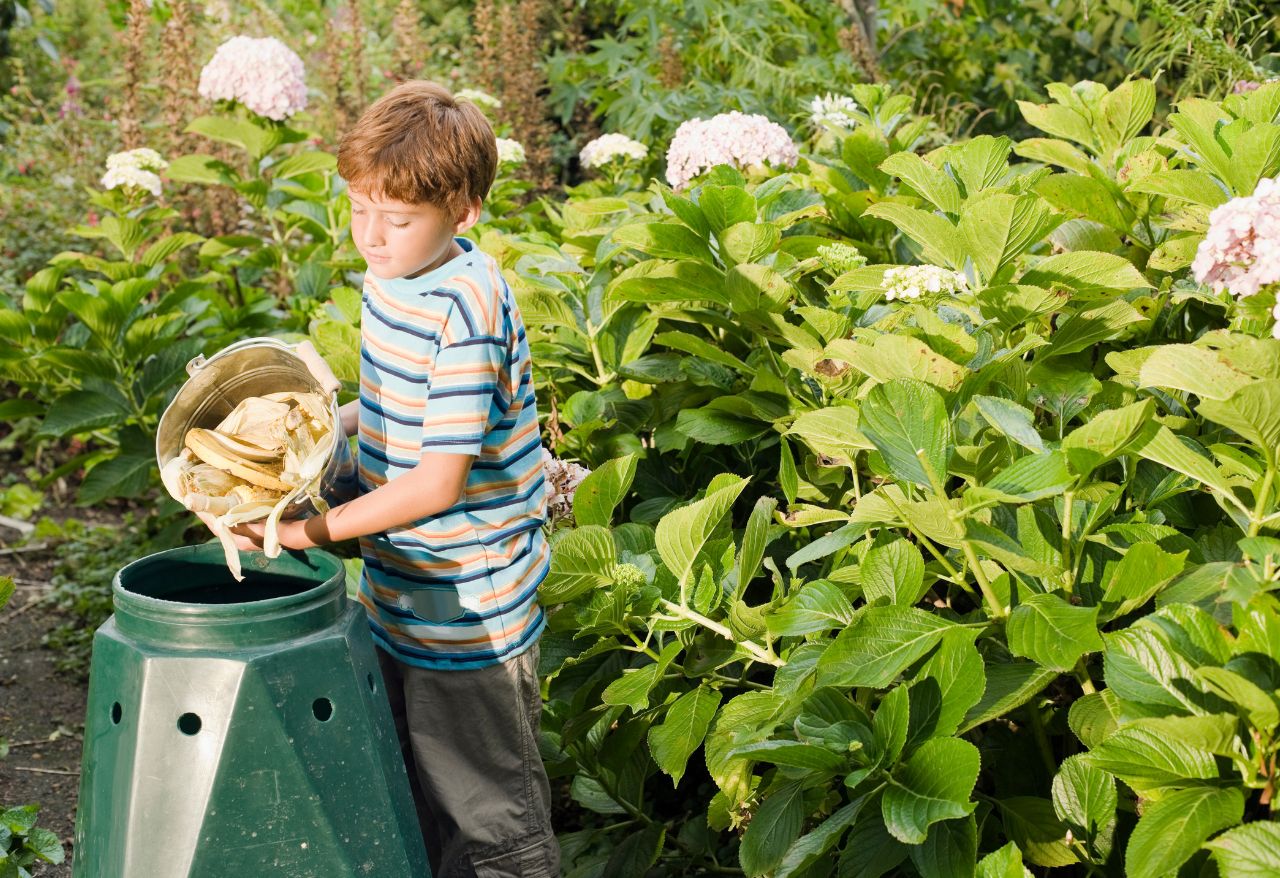
These activities not only demystify the natural processes behind plant growth but also emphasise the importance of sustainable living. As they observe how compost turns waste into a valuable resource, children learn firsthand about the benefits of eco-friendly practices, reinforcing the green angle of your gardening journey.
Encourage Wildlife-Friendly Gardening
Enhance your garden’s natural appeal by creating habitats that attract local wildlife. Encourage your kids to build bird feeders or plant flowers that attract pollinators like bees and butterflies. These activities provide an exciting opportunity for children to observe nature up close, learn about biodiversity, and understand the interconnections within an ecosystem. Wildlife-friendly gardening not only supports local species but also deepens your children’s appreciation for the environment, fostering a lifelong respect and appreciation for nature.






These are great ideas, I love it when the kids get out in the fresh air and help tidy the garden. I want to get into growing things myself in the garden before I can enlist the help of the kids as I have not got a clue what I am doing.
Some really lovely ideas. My children did like to grow tomatoes and pumpkins when they were younger!
I think it’s a great idea to get kids into gardening,especially growing own veg
Thank you for sharing these useful tips.
Such a lovely outdoor activity for children 🌱🌻