*This is a collaborative post.
Bunk beds are a great way to save space and create a fun sleeping arrangement, but safety has to be the top priority. A poorly designed bunk bed can lead to accidents, so it’s important to know what to look for before making a purchase. Whether it’s for kids, guests, or even a dorm-style setup, the right safety features will ensure peace of mind.
Strong and Sturdy Frame – A Must for Durability
A bunk bed’s frame is its foundation, and a weak one is a recipe for disaster. Stability is everything when shopping for safe bunk beds. If the frame wobbles, creaks, or feels flimsy when you push on it, that’s a red flag.
Wood and metal are the two main materials used in bunk bed construction, but not all are created equal. Hardwood, like oak or maple, tends to be the most reliable, while cheaper softwoods or particle board can weaken over time. If you’re opting for metal, go for a thick, reinforced design—thin metal tubing bends easily and can become unstable.
Another thing to check? The weight limit. Every bunk bed has a recommended weight capacity for the top and bottom bunks. Exceeding this can put stress on the frame and increase the risk of collapse.
Guardrails: The Essential Safety Net
Guardrails are non-negotiable for the top bunk. Kids move around in their sleep, and without proper barriers, there’s a real risk of falling. Look for beds with guardrails on all four sides, not just one.
Height matters here—guardrails should be at least 5 inches above the mattress to prevent falls. A common mistake? Buying a thick mattress that makes the guardrail practically useless. Stick to a thinner mattress (around 6 inches) to maintain proper protection.
Also, check the spacing between the guardrails. Wide gaps can be dangerous, as small children might slip through or get stuck.
Climbing Up and Down – Ladders vs. Stairs
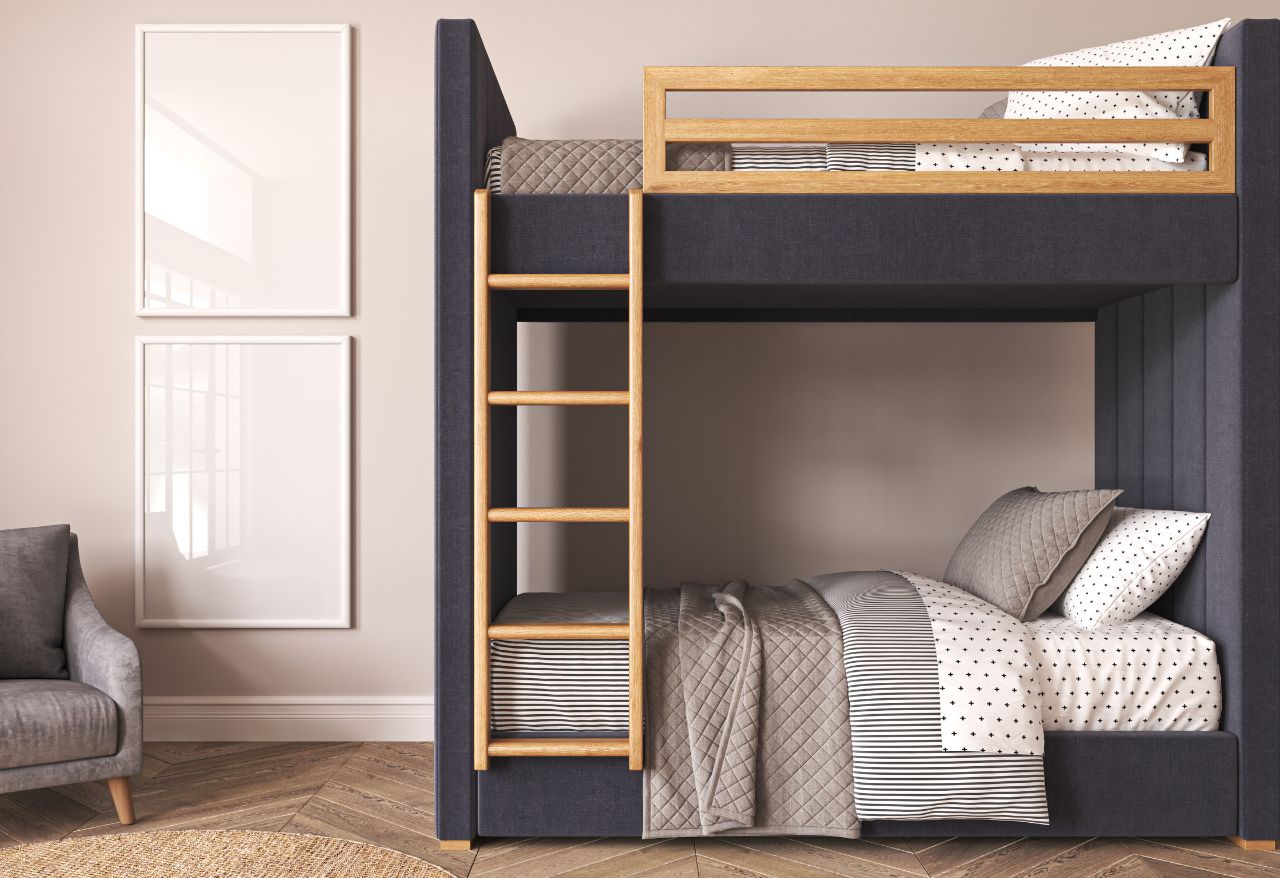
Getting to the top bunk shouldn’t feel like an obstacle course. A poorly designed ladder can make climbing difficult and even dangerous. Some things to keep in mind:
- Angled ladders – Easier to climb than vertical ones, especially for younger children.
- Wide, flat steps – More comfortable and safer than thin metal rungs.
- Handrails – Some ladders come with side rails for extra support when climbing.
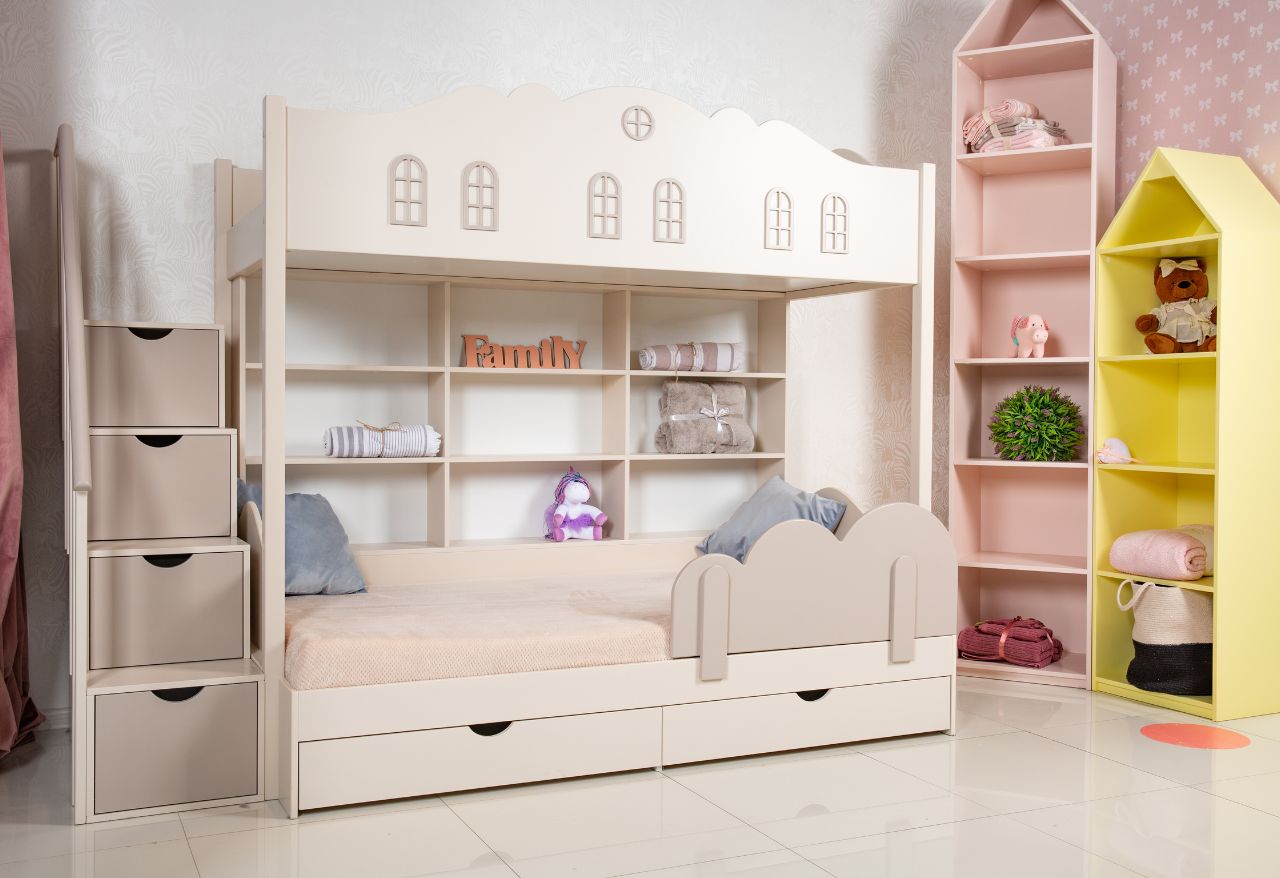
If you have the space, bunk beds with built-in stairs offer the safest option. They provide a solid, easy-to-climb structure, and many also include storage drawers in each step, making them practical as well.
Mattress Fit – A Crucial Detail Often Overlooked
A mattress that doesn’t fit properly can create dangerous gaps. If it’s too small, there’s a risk of slipping between the mattress and the frame, leading to possible injury. The best way to avoid this? Stick to the mattress size recommended by the manufacturer.
For the top bunk, a low-profile mattress is ideal. Thicker mattresses reduce the effectiveness of the guardrails, so keep it to 6 inches or less. On the bottom bunk, you have more flexibility, but a snug fit is still key.
Headroom – No One Wants to Bump Their Head
The gap between the top and bottom bunks is often overlooked, but it’s an important factor for comfort and safety. If the spacing is too tight, sitting up in the bottom bunk becomes impossible, and knocking your head on the upper bed frame is almost guaranteed.
For a comfortable setup, there should be at least 30 inches of clearance between bunks. If the bed is for adults or taller children, consider a model with extra spacing to avoid awkward crouching.
Also, think about ceiling height. A top bunk that’s too close to the ceiling can feel cramped and make it tricky to get in and out safely.
Slats and Support – Holding Everything Together
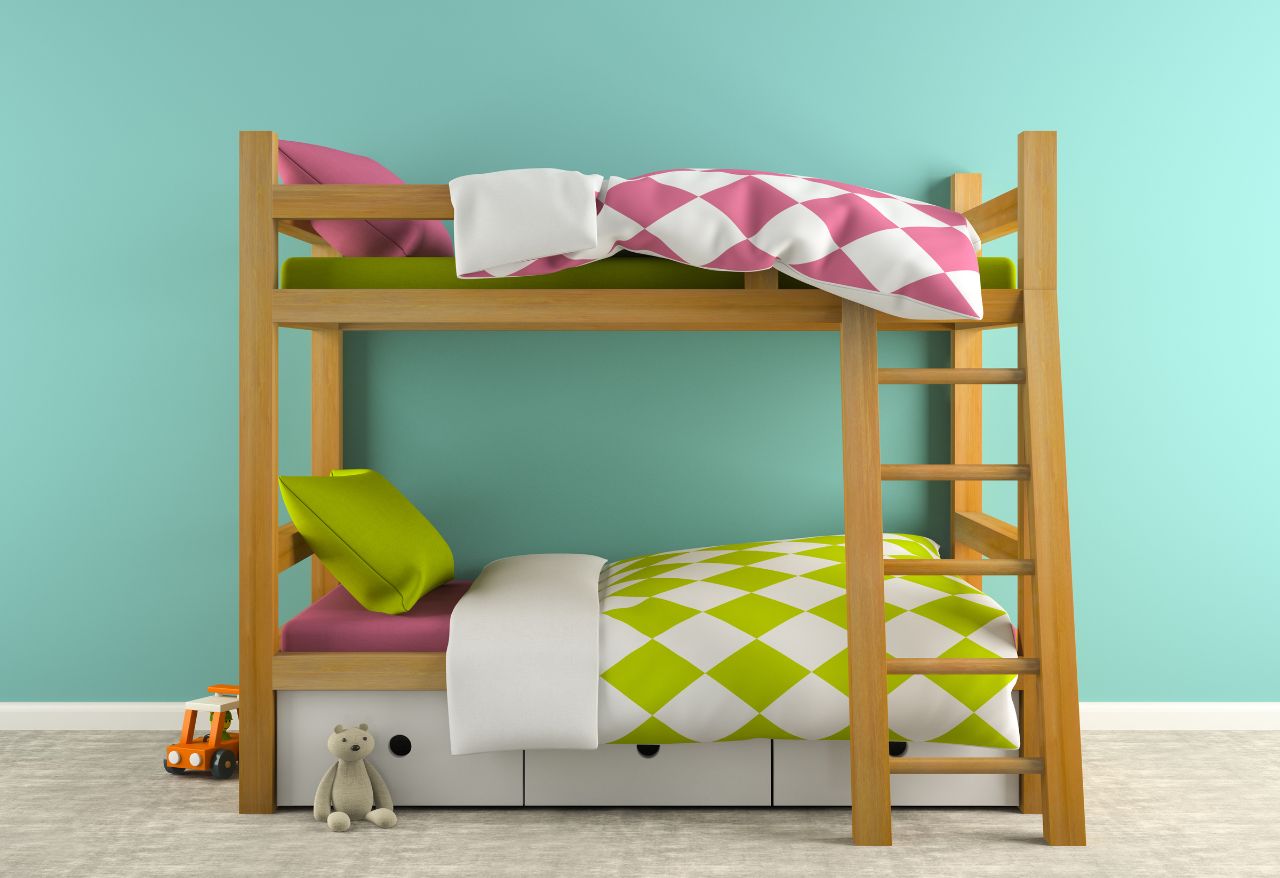
The mattress support system on a bunk bed is just as important as the frame itself. Weak or widely spaced slats can lead to sagging mattresses, discomfort, and even structural failure over time.
For a reliable setup:
- Look for thick, evenly spaced slats that provide even support.
- Metal reinforcements or bunkie boards can add extra stability.
- Avoid beds with only a few thin wooden slats—these wear out quickly and may break under pressure.
A well-supported mattress ensures both safety and a comfortable sleeping experience.
Hidden Dangers – Watch Out for Sharp Edges and Gaps
Bunk beds with sharp corners, protruding screws, or poorly finished edges can be an accident waiting to happen. When checking out a potential bed, run your hand along the edges—any rough or sharp areas should be avoided.
Another thing to watch for is decorative cut-outs or large gaps in the design. While they might look stylish, they can be a hazard, especially for young children who might get their head or limbs stuck.
Additional Safety Features Worth Considering
Some bunk beds go the extra mile with built-in safety features, adding another layer of security. These aren’t always necessary but can be a great bonus:
- Anti-tip hardware – Some models come with wall anchors to prevent tipping.
- Detachable bunks – Some beds can be separated into two single beds, making them a safer long-term option.
- Under-bed storage – Drawers or built-in shelves reduce clutter, keeping the sleeping area safer and more organised.
Meeting Safety Standards – Certifications to Look For
Not all bunk beds are built to the same safety standards. Checking for certifications can give you confidence in the quality and reliability of your chosen bed.
- BS EN 747 (UK & EU standard) – Ensures the bed meets strict safety requirements.
- ASTM or CPSC (US standards) – If you’re buying from an international brand, these are also good to look for.
- Manufacturer warranties – A solid warranty is a good sign that the company stands by its product.
The Final Decision – Safety Comes First
Buying a bunk bed isn’t just about finding a stylish or space-saving solution—it’s about ensuring a safe and secure sleeping setup. Whether it’s choosing a sturdy frame, checking the ladder design, or making sure the mattress fits correctly, every detail matters.
Before making a purchase, take the time to inspect the key safety features. A little extra research now can prevent potential accidents later. By prioritising safety, you can enjoy the benefits of a bunk bed without the risks.


Great tips and advice. This would be my daughter’s dream to have a bed like this but her bedroom is in the roof so no chance we could fit it in. Beautiful beds though.
A very intersting read. I think bunk beds are great when you have limited floor space
I didn’t like sleeping in Bunk Beds as a kid,you didn’t realise the safety aspects
Great tips. A guardrail for the top bunk is an absolute must.