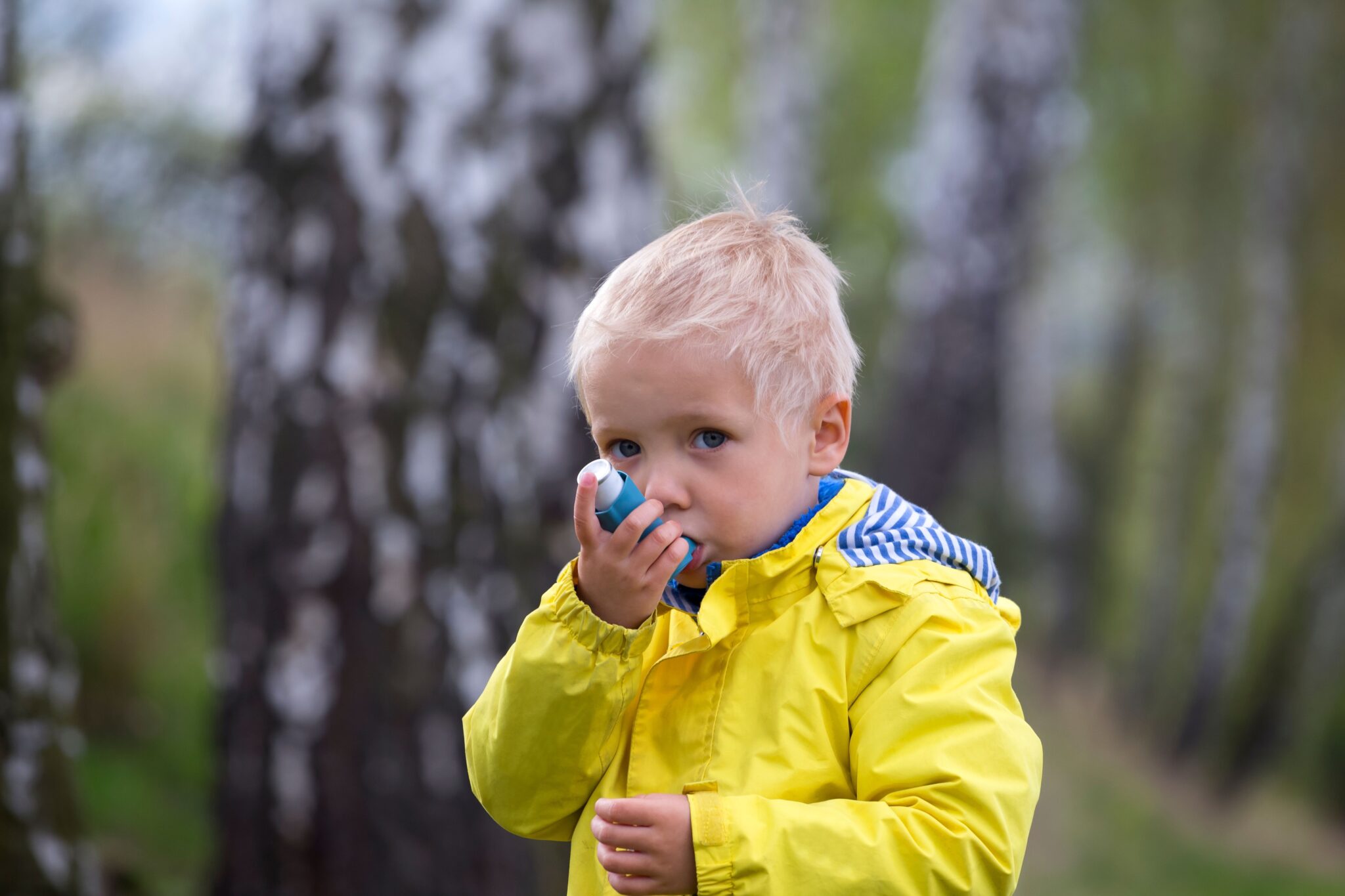
Asthma is a common lung disease in children, with most kids starting to show symptoms before reaching five years old. In most cases, warning signs are usually present, but it can be difficult to identify the condition without an understanding of the disease. My eldest is asthmatic and was diagnosed at the age of 2 when he was originally hospitalised with bronchiolitis.
Here is a little guide on asthma, what symptoms to expect and how to manage it.
Common symptoms of asthma in children
Asthma in children and adults is quite similar, but kids face specific challenges that are absent in adults. The disease is not curable, but treatments are available to combat the worst of the symptoms.
-
Coughing
It’s the most common symptom. Your child develops a frequent cough without having a viral infection or fever. It worsens at night or when they have an infection. Allergens, cold air, or exercise trigger it.
-
Wheezing
A high-pitched sound is evident when breathing out. If no cold-like symptoms are present, the wheezing may be asthma-related. The child repeatedly wheezes over time and in particular situations that expose them to the asthma triggers.
-
Shortness of breath
It can happen either when the child is active, running around, or when relaxed. Breathlessness after an intense activity is normal but only for a short time. When there is trouble breathing, it may be difficult to finish sentences during a conversation. The heavy breathing causes the tummy to suck in, and the ribs stick out.
-
Chest tightness
The symptom is difficult to recognize, especially in young children who can’t fully express themselves yet. Some children will rub their chest or talk about a ‘funny feeling’ or a ‘tummy ache’. The airway narrows during the attack hence the tight feeling.
Common early warning signs that a child is about to have an asthma attack:
- Frequent sneezing
- Headache
- Moodiness
- Itchy throat and chin
- Stuffy nose
- Tiredness
Why is it difficult to spot asthma in children?
Children have more narrow airways than adults, making them more easily blocked or obstructed, leading to wheezing. Some wheeze due to viral infections and may fade away with time. It becomes difficult to tell whether the child has or will develop asthma. In many cases, when the parents go to the hospital, the child is usually asymptomatic. How they describe the wheezing sound may cause over or under-diagnosis of the condition.
The history of symptoms plays a part in the diagnosis. Some kids may have the condition, but the symptoms appear later in life. Some have shown a few signs, but no conclusion can be reached due to other underlying infections. Also, some of the symptoms match those of other illnesses, such as pneumonia.
No specific tests are available to diagnose asthma in children. The lung function tests are used to diagnose and are hard to do on children due to their complexity. It is easy for the doctor to prescribe medication, not really for asthma treatment, to see how the child responds.
How can asthma be managed?
Asthma treatment is important, but the disease has no cure – it can only be managed. These tips can help control the condition and reduce flare-ups.
- Have a plan (asthma action plan) that guides you and stick to it. It should contain instructions from the doctor that are carefully written down and easy to follow. Your plan must also have directions on the medicines to take, at what time, and the quantity. It should also show how to keep away from triggers and how to recognize and manage flare-ups.
- Take all medicines as prescribed by the doctor. Some kids may take them for the long haul, i.e., long-term control medicines, which prevent airway irritation. Others only need quick-relief medications, which are only required during a flare-up. My son takes Montelukast to manage his exercise-induced asthma and we also have an inhaler on standby should he need it.
- Know what triggers your child and help avoid them.
- Ensure the child gets the flu vaccine. A 2017 study confirmed that an influenza vaccination may be effective in both reducing influenza infection and asthma attacks.
Conclusion
Asthma is a chronic illness that needs a lot of care. The information above gives an understanding of the condition and how to handle it effectively.
If you have doubts that your little one may have asthma then please do visit your GP as soon as possible for professional help.
Do you or somebody you know have asthma?


Great info – can be a minefield
As an adult with asthma, I feel for children and their parents dealing with this repiratory ailment. Thanks for a great post on it! Pinned
PS could you drop by my blog and enter my giveaway? It’s open to residents of North America and Europe! Yeah!
Thanks for these wonderful tips, Jayne. One of my grandsons has been diagnosed with asthma. I am trying to educate myself and this is a great resource.