
*This is a collaborative post.
Parents in Scottsdale often face difficult choices when a teen needs structured mental health support. Outpatient treatment provides a way to address challenges while allowing adolescents to remain at home and connected to family life. Understanding how these programs work helps parents make informed decisions that best support their child’s well-being.
Adolescent outpatient care in Scottsdale includes different levels of support, ranging from part-time therapy sessions to more intensive daily programs. Each option is created to match the specific needs of teens and their families, making it essential to understand what each level of care provides before choosing the right path.
Avery’s House: A Unique Support System for Adolescents
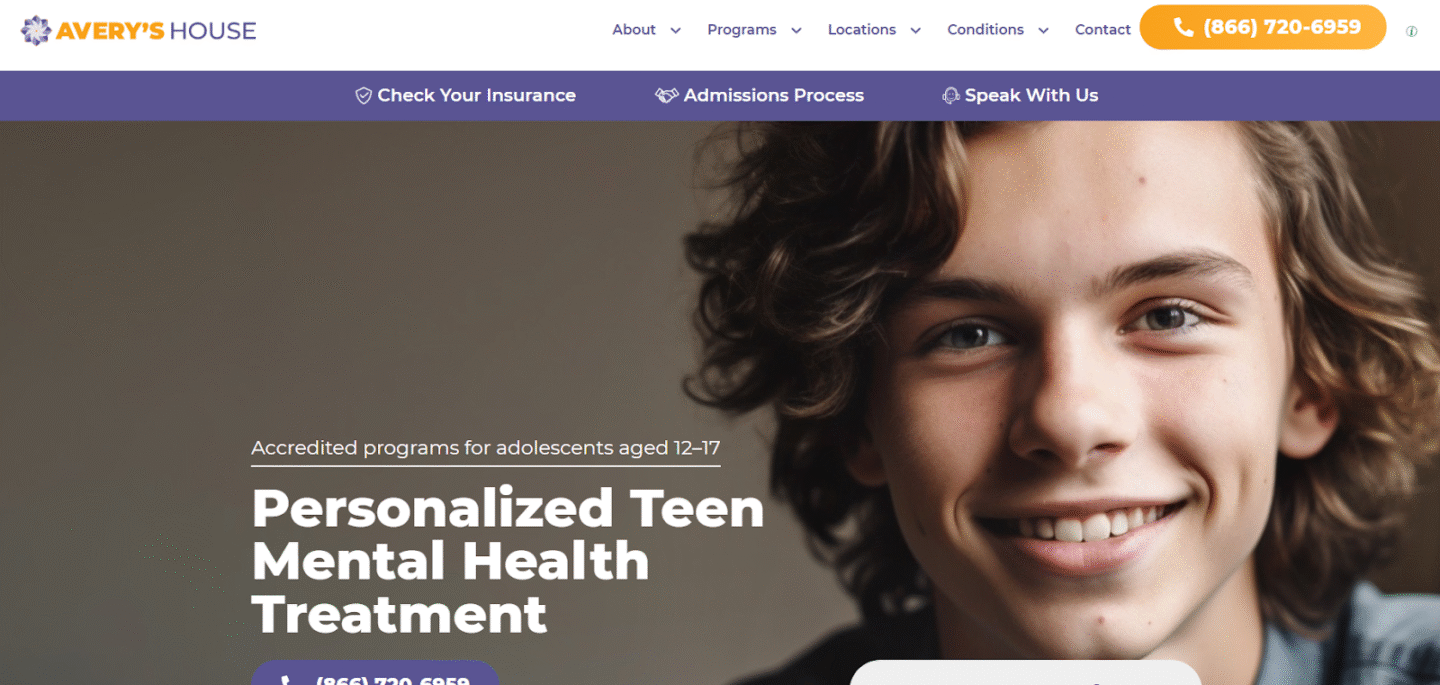
Avery’s House provides a compassionate approach to adolescent mental health care, focusing on emotional and behavioral support while allowing teens to remain connected to their families. Located in Scottsdale, the center specializes in outpatient treatment for teens facing a range of challenges, from trauma to substance use and mental health issues.
Their programs emphasize a family-centered approach, which can make a significant difference in helping both teens and their parents navigate the complexities of recovery. Avery’s House provides personalized treatment plans, integrating therapy, family involvement, and skill-building strategies to ensure lasting progress.
Families exploring adolescent outpatient treatment in Scottsdale or nearby areas can find numerous centers that provide support for both short-term progress and long-term recovery goals. This makes it a practical option for parents seeking effective treatment in a structured yet flexible setting.
The Meadows Outpatient Center

The Meadows Outpatient Center in Scottsdale provides specialized care for teens dealing with trauma, substance use, and mental health challenges. Programs are created to address the unique needs of adolescents while allowing them to continue living at home and attending school.
Treatment options include intensive outpatient and partial hospitalization programs. These levels of care give teens structured therapy and support without requiring full-time residential treatment. This approach helps families balance recovery with everyday responsibilities.
Therapists use evidence-based methods to treat co-occurring conditions such as anxiety, depression, and addiction. The center also focuses on helping adolescents build coping skills, strengthen relationships, and improve emotional regulation.
Adolescent Partial Hospitalization Programs (PHP) in Scottsdale provide intensive full-day care beyond standard outpatient services.
Adolescent Partial Hospitalization Programs in Scottsdale provide a higher level of care than traditional outpatient or intensive outpatient programs. These programs run during the day and provide structured treatment but do not require overnight stays.
Teens in PHPs receive daily therapy, group sessions, and psychiatric support. The schedule typically mirrors a school day, giving them consistent structure while still allowing them to return home in the evenings.
This type of program is often recommended for adolescents who need more support than outpatient therapy can provide but do not require inpatient hospitalization. It can be especially helpful for teens struggling with mental health conditions, substance use, or both.
PHPs in Scottsdale vary in approach, but most emphasize skill-building, emotional regulation, and family involvement. By combining intensive care with the ability to live at home, these programs create a balance between treatment and maintaining family connections.
Intensive Outpatient Programs (IOP) include individual, group, and family therapy for teens aged 14-17 with co-occurring conditions
Intensive Outpatient Programs (IOPs) give teens structured support while allowing them to live at home. These programs are created for adolescents who need more care than weekly therapy but do not need 24-hour supervision.
Teens attend several sessions each week that include individual therapy. This one-on-one time helps them address personal challenges such as anxiety, depression, or substance use.
Group therapy provides a space to share experiences with peers facing similar struggles. It helps teens practice communication, coping skills, and problem-solving in a supportive setting.
Family therapy is also a key part of IOPs. Parents and caregivers learn strategies to support their teen, improve communication, and reduce conflict at home.
For teens with co-occurring conditions, such as mental health concerns and substance use, IOPs use evidence-based approaches like Cognitive Behavioral Therapy (CBT) and Dialectical Behavior Therapy (DBT) to target both issues at the same time.

Personalized treatment plans consider medical history, academic challenges, and family dynamics for effective adolescent care
Effective outpatient care for adolescents often begins with a clear understanding of their medical history. Providers review past health conditions, medications, and any previous treatments to guide safe and appropriate care. This helps reduce risks and guarantees that new strategies build on what has already been tried.
Academic challenges also play a key role in shaping treatment. Struggles at school can affect self-esteem, stress levels, and daily routines. By addressing learning difficulties or school-related pressures, providers can create plans that support both mental health and educational progress.
Family dynamics are another important factor. Relationships at home influence how well an adolescent responds to care. Involving parents or guardians in the process can improve communication, strengthen support, and create consistency between home and treatment settings.
By combining these elements, providers can build treatment plans that reflect the unique needs of each adolescent. This approach increases the chances of meaningful progress in outpatient care.
Parents should verify staff credentials, program accreditation, and treatment philosophies before enrolling their teen
Parents should take time to confirm the qualifications of staff at any outpatient treatment program. Licensed therapists, counselors, and medical professionals are better equipped to provide safe and effective care for adolescents. Asking for proof of credentials helps the staff meet state and professional standards.
Program accreditation is another important factor. Accreditation from recognized organizations shows that the program follows established guidelines for quality and safety. It also means the program has undergone outside review to confirm it meets certain requirements.
Treatment philosophies can vary widely between programs. Some focus on behavioral approaches, while others may use family therapy or skill-building models. Parents should ask how the program defines success and what methods are used to support teens.
By checking staff backgrounds, accreditation status, and treatment approaches, parents can make more informed decisions. This process helps them find a program that aligns with their teen’s needs and values.
Rounding Up
Adolescent outpatient treatment in Scottsdale gives families structured care while allowing teens to remain at home and continue school and daily routines.
These programs vary in intensity, such as standard outpatient, intensive outpatient (IOP), and partial hospitalization (PHP), so parents can find a level that matches their child’s needs.
Key details to consider include staff qualifications, treatment planning, and how progress is measured.
By asking direct questions and reviewing program options, families can choose an approach that supports both the teen’s health and the household’s daily life.