*This is a collaborative post.
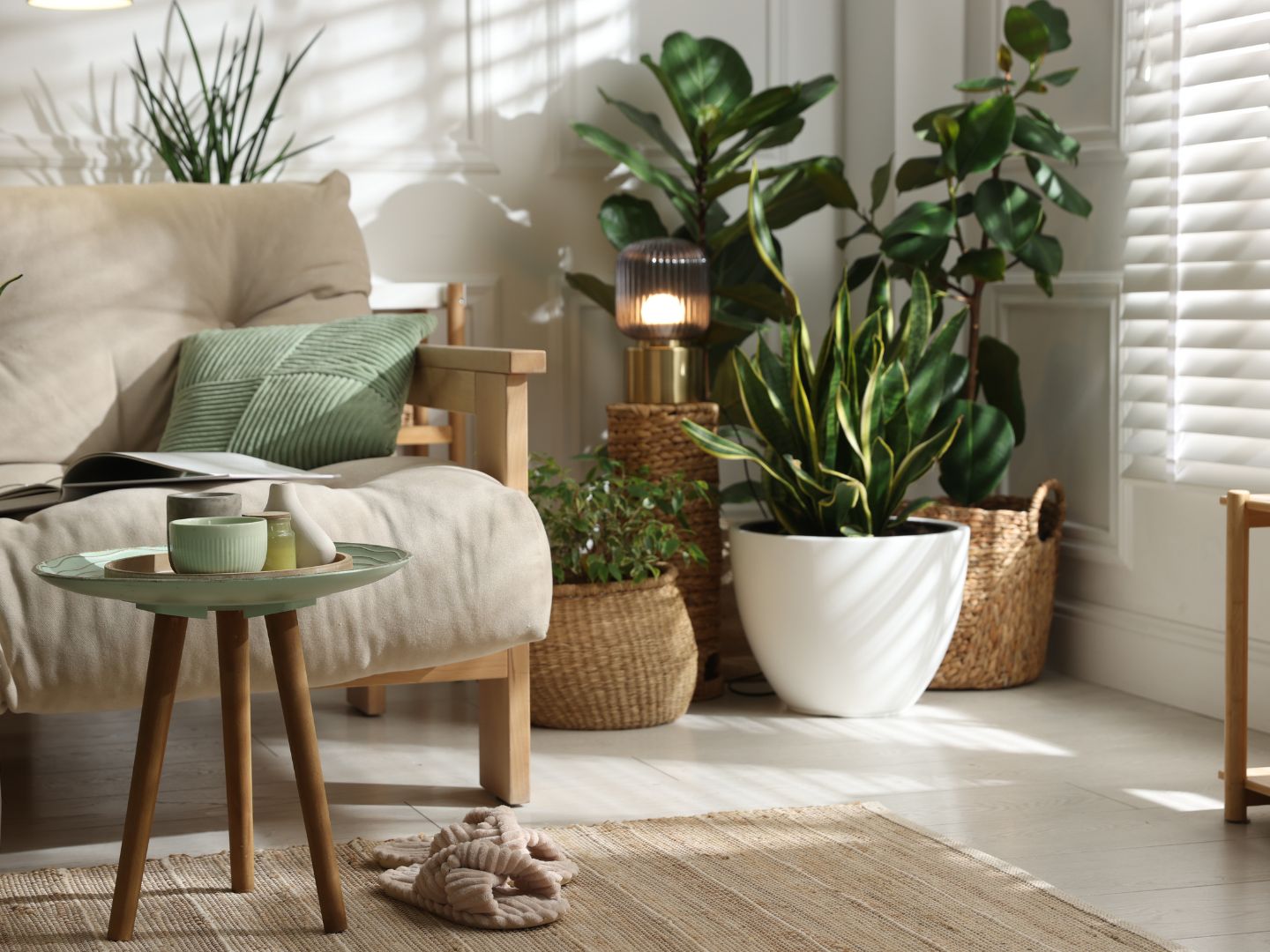
Colour gets all the glory in interior design, but texture? That’s what actually makes you want to stay in a room. You can nail the perfect paint colour and still end up with a space that feels slightly off. But get the textures right, and everything else falls into place.
Here’s the thing about texture: it sneaks up on you. Nobody walks into a room and consciously thinks, “wow, great textural variety here.” But they definitely notice when something feels cold and unwelcoming versus cosy and inviting. That difference usually comes down to what surfaces are doing, not what colour they are.
Mixing It Up
A leather couch has a completely different feel than a linen one. Same piece of furniture, totally different energy. Leather skews modern and polished. Linen has that effortless, slightly rumpled look that somehow always works. Neither is better; they’re just doing different things.
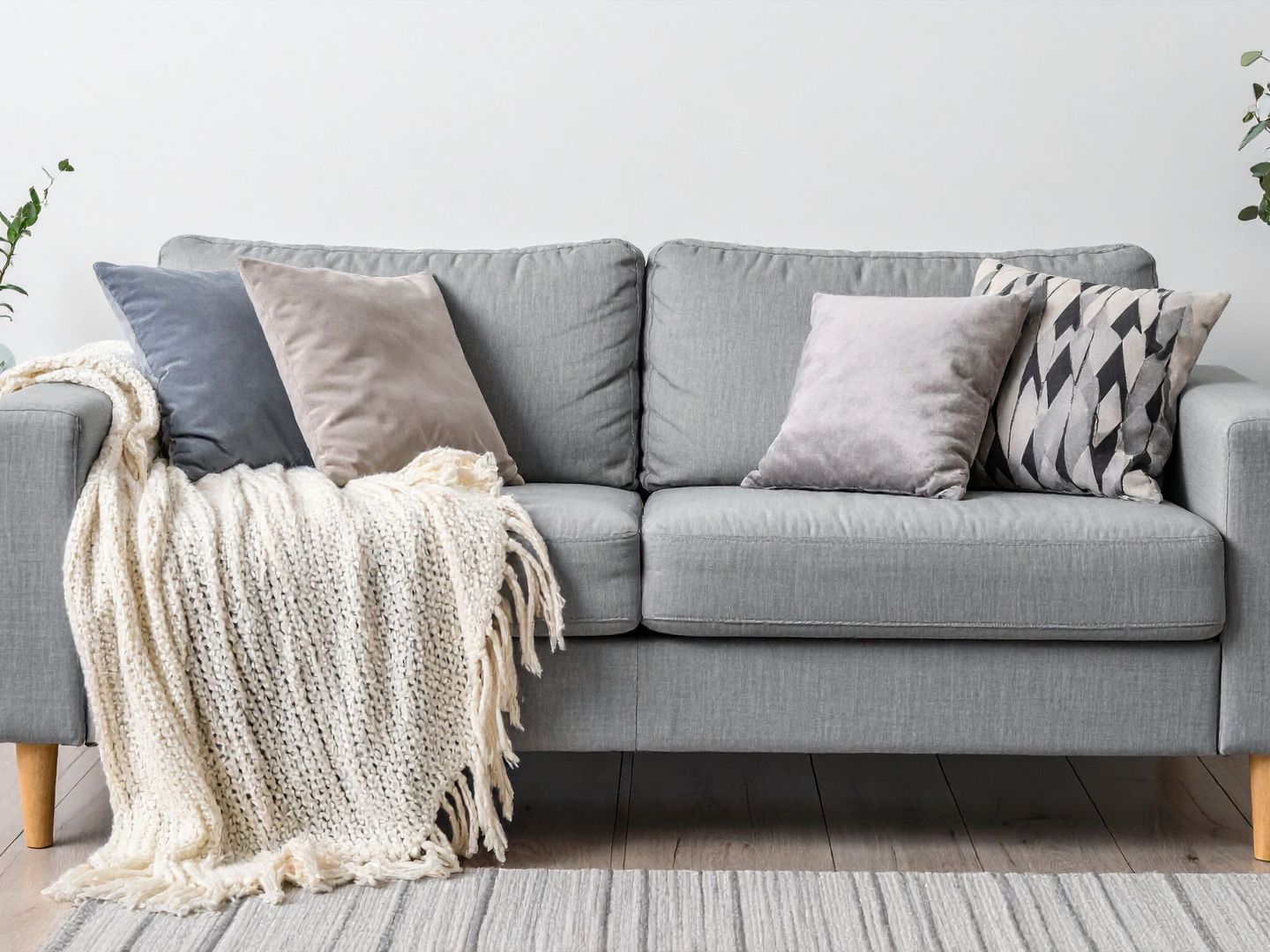
The rooms that really work have a bit of everything going on. Something smooth next to something rough. Shiny paired with matte. A velvet cushion on a worn leather chair. Chunky knit blanket over a sleek sofa. Maybe a beat-up wooden coffee table sitting on a soft rug. These little contradictions keep things interesting.
Walls Are Underrated
Everyone thinks about rugs, pillows and curtains when texture comes up, which makes sense. Those are easy swaps. But walls are where there’s real room to play.
Plain painted walls work fine, but they’re playing it safe. Grasscloth wallpaper brings in this organic, slightly irregular feel. Exposed brick tells a story. Wood planking warms everything up immediately. Even just using a textured paint roller instead of a flat one changes the vibe.
Acoustic panels are worth mentioning here, even though they sound technical. They started in recording studios, but they’ve gotten way more stylish. The main benefit is they soak up sound, so rooms don’t feel echoey and cold, which is huge in open floor plans or anywhere with high ceilings. Conversations just flow better.
But honestly, they also look good now. You can get them in felt, fabric, wood slats, whatever matches your style. Arrange them in patterns, and suddenly you’ve got wall art that’s actually functional. Two birds, one stone.
Light Changes Everything
Funny thing about texture: it shape-shifts depending on the light. That nubby linen curtain looks completely different at noon versus eight at night. Morning sun hits a textured wall, and every little bump shows up. Evening light smooths everything out.
This is why having multiple light sources matters. Different lamps at different heights create shadows that make textures pop throughout the day. A room with good texture and bad lighting is basically wasted potential.
Where to Start
If this all sounds overwhelming, just start small. Grab a chunky throw blanket. Switch out some smooth pillow covers for textured ones. Layer a smaller rug with personality over a bigger plain one.
Once you’ve got the hang of it, think bigger. Upholstered headboard. Some kind of textured wall treatment. Maybe acoustic panels if there is an echo. The point isn’t to texture bomb every surface. It’s about having enough variety that the room feels alive instead of like a showroom nobody actually lives in.
Get that balance right, and people will want to hang out in your space. They might not know why, but you will.


An interesting read! Will bear it in mind next time I am updating a room
Love textures, but I’ve been burned by textured wall paper in the past. Much prefer less permanent options like the other things on your list!
I feel different textures in room’s helps build in character