*This is a collaborative guest post.
Downlights have become a staple of modern interiors for good reason. They’re clean, discreet, and versatile enough to work in kitchens, bathrooms, hallways, bedrooms, and open-plan living spaces. But once you start cutting holes into a ceiling to install them, design is no longer the only consideration. Safety enters the picture in a serious way.
That’s where fire rated downlights matter. They’re often discussed as a technical or compliance-driven product, but the reality is simpler: they help restore the fire resistance of a ceiling after an opening has been made for a light fitting. In other words, they address a practical risk without forcing you to give up the sleek look that made you want downlights in the first place.
Why Ceiling Safety Matters More Than Many Homeowners Realise
A ceiling does more than separate one room from another. In many homes and commercial buildings, it also acts as a barrier designed to slow the spread of fire between floors. That barrier can buy crucial time for escape and emergency response.
The problem? Standard recessed lighting requires a cut-out in the ceiling. Once that hole is there, the fire integrity of the structure may be weakened unless the fitting is designed to compensate for it.
This is particularly important in multi-storey homes, loft conversions, apartment buildings, and any property where building regulations require fire compartmentation. A well-designed ceiling can delay the passage of flames and heat. A poorly considered lighting installation can undermine that protection.
What Makes a Downlight “Fire Rated”?
A fire rated downlight is built to maintain the ceiling’s fire resistance for a specified period, often 30, 60, or 90 minutes depending on the product and ceiling construction. Most do this through an intumescent material that expands when exposed to high temperatures, helping to seal the opening created by the fitting.
That may sound highly technical, but the practical takeaway is straightforward: the fitting is part of the fire protection strategy, not just the lighting scheme.
When specifiers, electricians, or renovators are comparing options, it helps to understand the differences between trim styles, beam angles, insulation compatibility, and IP ratings alongside fire performance. Resources that focus specifically on fire rated downlights for ceiling installations can be useful at that stage, especially when you’re trying to balance safety requirements with the visual finish of a room.
Safety and Style Are No Longer a Trade-Off
There was a time when “safer” lighting products could feel bulky, utilitarian, or visibly different from standard fittings. That’s much less true today. Modern fire rated downlights are available in finishes and profiles that suit almost any interior style, from minimalist white ceilings to more decorative brushed chrome or black trim schemes.
Minimalism Still Works
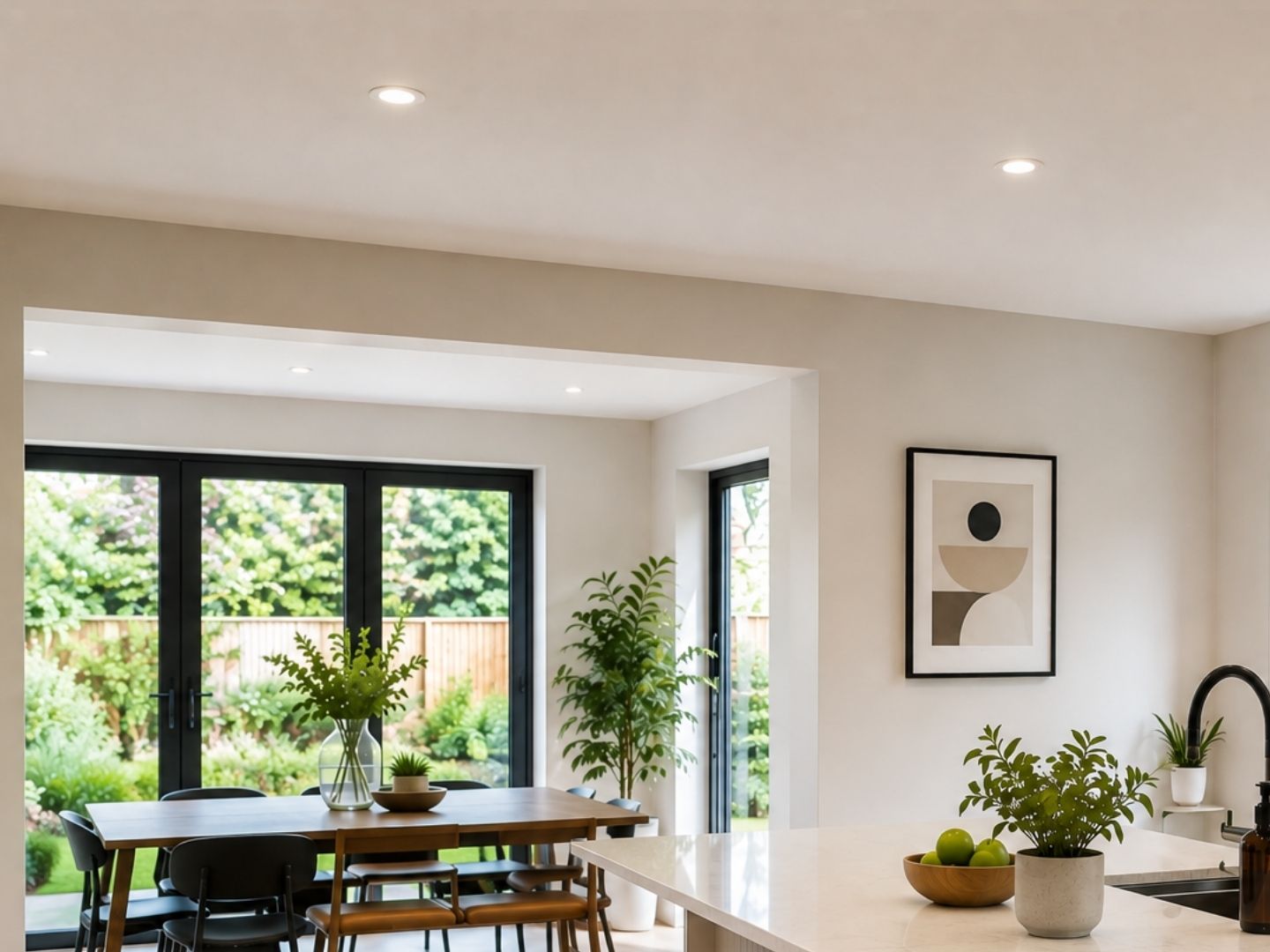
If your aim is a quiet, architectural look, a fire rated fitting won’t get in the way. Many options are low-profile and designed to sit neatly within the ceiling line. In a contemporary kitchen or living room, they can practically disappear until switched on.
Bathroom and Kitchen Designs Benefit Too
In moisture-prone spaces, aesthetics usually need to coexist with performance. That means considering IP ratings as well as fire resistance. Fortunately, many modern downlights combine both, making them suitable for bathrooms and busy kitchen zones where durability, compliance, and visual consistency all matter.
Lighting Quality Has Improved Dramatically
Style isn’t just about what the fitting looks like when it’s off. It’s also about the atmosphere it creates. Today’s fire rated downlights often support warm or cool colour temperatures, dimmable functionality, and beam spreads suited to either task lighting or ambient illumination. So the conversation has shifted from “Can we make this safe?” to “How do we make this safe and beautifully lit?”
Where the Right Choice Makes the Biggest Difference
Not every room has the same demands, and that’s where careful specification matters.
Hallways and Stairwells
These are key circulation spaces and, in an emergency, escape routes. Reliable lighting and fire protection both matter here. The fittings may not be the star of the design, but their performance is significant.
Open-Plan Kitchens
Kitchens often need layered lighting: practical light over worktops, softer ambient lighting in dining zones, and enough flexibility to support the room’s different uses. Fire rated downlights fit neatly into that mix while protecting the ceiling assembly above.
Loft Conversions and Upper Floors
These spaces deserve extra attention because fire separation between levels is such an important part of the building’s safety strategy. In these settings, using the correct recessed fittings isn’t just sensible; it’s often essential.
Common Mistakes to Avoid
The biggest errors usually happen when lighting is chosen too early as a purely decorative decision, or too late as an afterthought. Either way, key performance details can be missed.
A few pitfalls come up repeatedly:
- choosing fittings based only on appearance
- overlooking the fire rating required for the ceiling type
- forgetting to check insulation cover compatibility
- using the wrong IP rating in bathrooms or utility areas
- assuming every recessed downlight offers the same level of protection
These are not small technicalities. They affect compliance, long-term reliability, and in some cases the safety of the building itself.
Why Good Design Starts With Integration
The best lighting schemes rarely come from looking at fixtures in isolation. They come from asking how lighting interacts with architecture, safety, comfort, and daily use. Fire rated downlights are a good example of that principle in practice.
A well-planned ceiling layout can provide visual rhythm, reduce shadows, and support the way a room functions. At the same time, the correct fittings preserve the performance of the ceiling structure. That’s not compromise; it’s integration.
And perhaps that’s the real shift in how these products should be viewed. Fire rated downlights are not a grudging concession to regulation. They’re a smarter standard for modern interiors, where people expect both strong design and responsible specification.
Creating a Safer, Better-Lit Home
When you strip the subject back, the appeal is obvious. Fire rated downlights allow you to enjoy the streamlined look of recessed lighting while helping maintain an important layer of fire protection in the building fabric. For homeowners, designers, and contractors alike, that’s a meaningful advantage.
The good news is you no longer have to choose between a safe ceiling and a stylish one. With the range of finishes, features, and performance levels now available, you can have both — and you should expect both.