
*This is a collaborative post.
Gardening can be a fantastic way to bring children outdoors and give them something fun to nurture. Children thrive when they have activities that combine learning and play, and planting seeds or looking after their own pots can deliver exactly that. With a little guidance and the right projects, young gardeners can feel proud of what they grow while parents enjoy time spent together in the fresh air.
Grow Your Own Sunflowers
Sunflowers are an excellent first project for young gardeners. Their large seeds are easy for little hands to handle, and the plants grow quickly enough to hold attention. Once the risk of frost has passed, children can plant a few seeds in small pots or straight into the soil. Regular watering and a sunny spot will give them the best chance to grow tall and strong.
Part of the fun is watching the progress. Kids can measure their sunflowers every week and mark the height on a chart. This turns gardening into a mini science project as they observe changes over time. It also gives them a sense of achievement when the flower head eventually blooms.
If you want to make sure the seeds or young plants you choose are healthy and reliable, trusted suppliers are worth using. Jacksons Nurseries is a good example of a place where families can buy plants online and know they are receiving quality stock that has been carefully grown. Ordering from a specialist nursery also provides the advantage of clear planting advice, which helps children understand the steps needed for success
Create a Mini Vegetable Patch
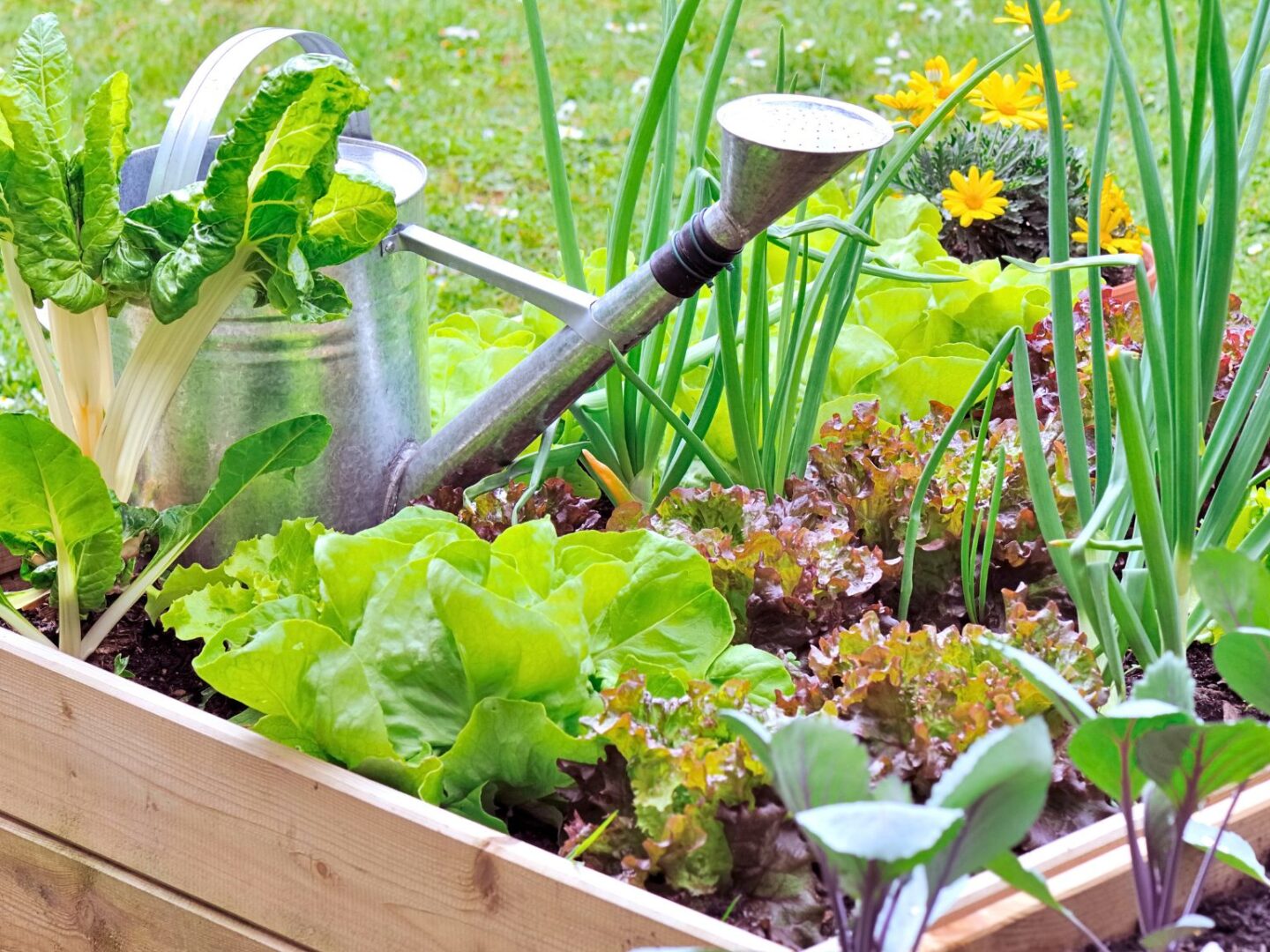
Many children are fascinated by food they can grow and then eat. A mini vegetable patch is an exciting project because the results are both visible and edible. The key is choosing crops that are quick and easy. Salad leaves, strawberries, and peas are popular options that tend to grow well without too much fuss.
Keeping the patch small helps to manage expectations and workload. A square metre bed or a couple of large containers is usually enough. Children can help prepare the soil, scatter seeds, water regularly, and watch shoots appear. Because some crops grow quickly, interest is less likely to fade.
Parents can make the experience more engaging by linking the harvest to family meals. Picking strawberries for dessert or gathering a handful of salad leaves for dinner helps children connect their effort with real results. It also encourages healthier eating habits when they can proudly say they helped to grow what ends up on the plate.
Design and Decorate Plant Pots
Adding a creative element to gardening makes it even more appealing for younger children. Decorating plant pots is a simple craft that doubles as a gardening project. All that is needed are plain terracotta or plastic pots, some paint or markers, and a selection of stickers or stencils. Children can create their own designs before planting herbs, flowers, or small shrubs inside.
This project works well for families with limited outdoor space. Pots can be placed on windowsills, balconies, or patios. Because the pots are moveable, children can be responsible for rearranging them and choosing the best spots for sunlight. Herbs like basil, chives, or parsley are ideal as they are easy to grow and can be used in cooking.
Decorated pots also make thoughtful gifts. Children can create personalised designs and then grow a plant for grandparents or friends. This helps them feel proud of both their creativity and their gardening skills.
Build a Wildlife Corner
Children often enjoy observing insects and small creatures. A wildlife corner gives them the chance to combine gardening with exploring nature. This project starts with planting flowers that attract bees and butterflies, such as lavender or buddleia. Adding a small bug hotel made from sticks, pinecones, and cardboard tubes adds extra interest.
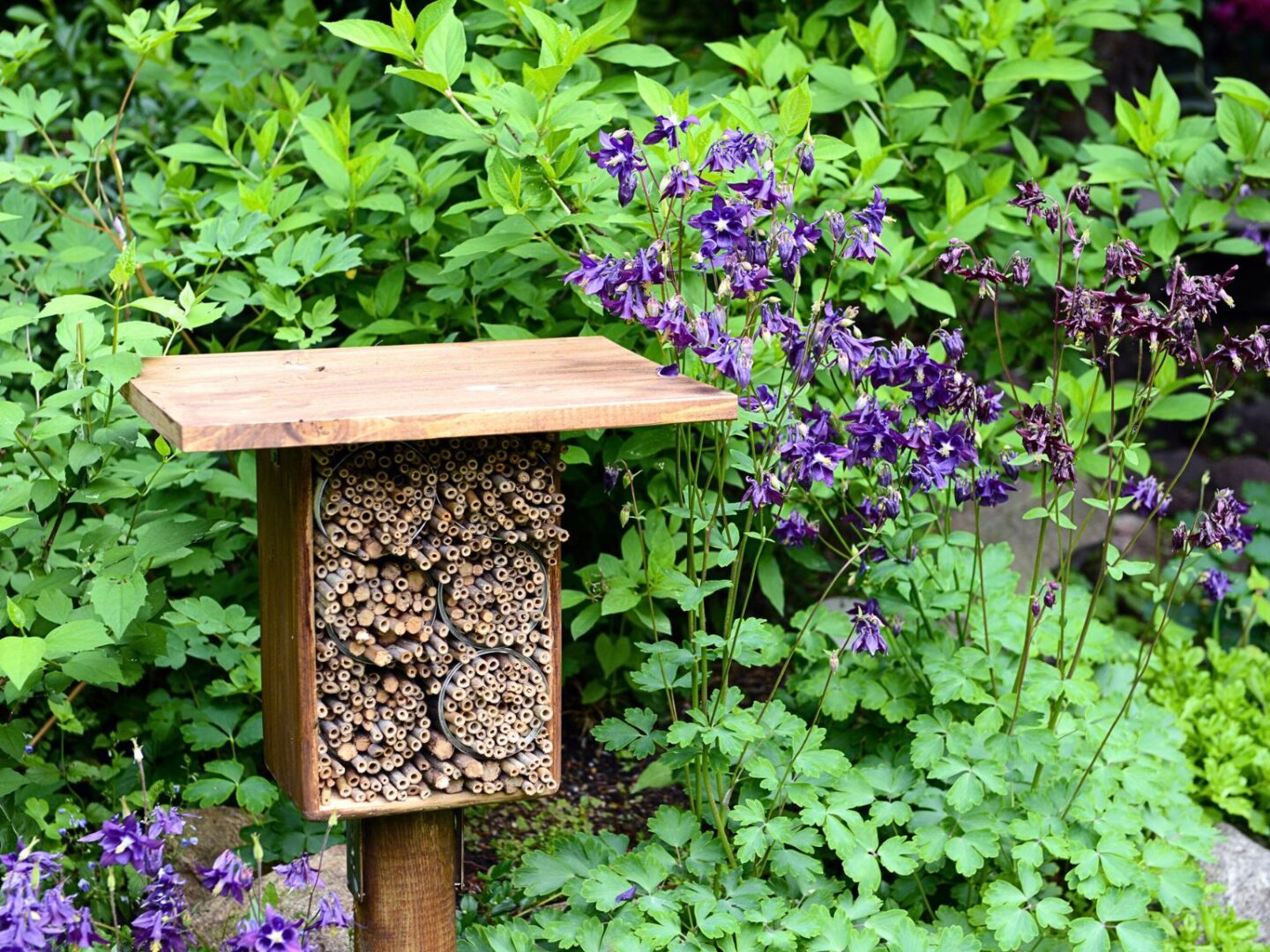
The project teaches children about pollination, and the role insects play in the garden. Parents can encourage observation by providing notebooks or simple checklists so kids can record what they spot. Over time, they may notice patterns in activity depending on the weather or the time of day.
A wildlife corner also allows children to enjoy quiet moments outdoors. Watching a bee visit a flower or spotting a ladybird on a leaf can spark conversations about how ecosystems work. This helps them understand the importance of looking after the natural environment.
Make a Fairy or Dinosaur Garden
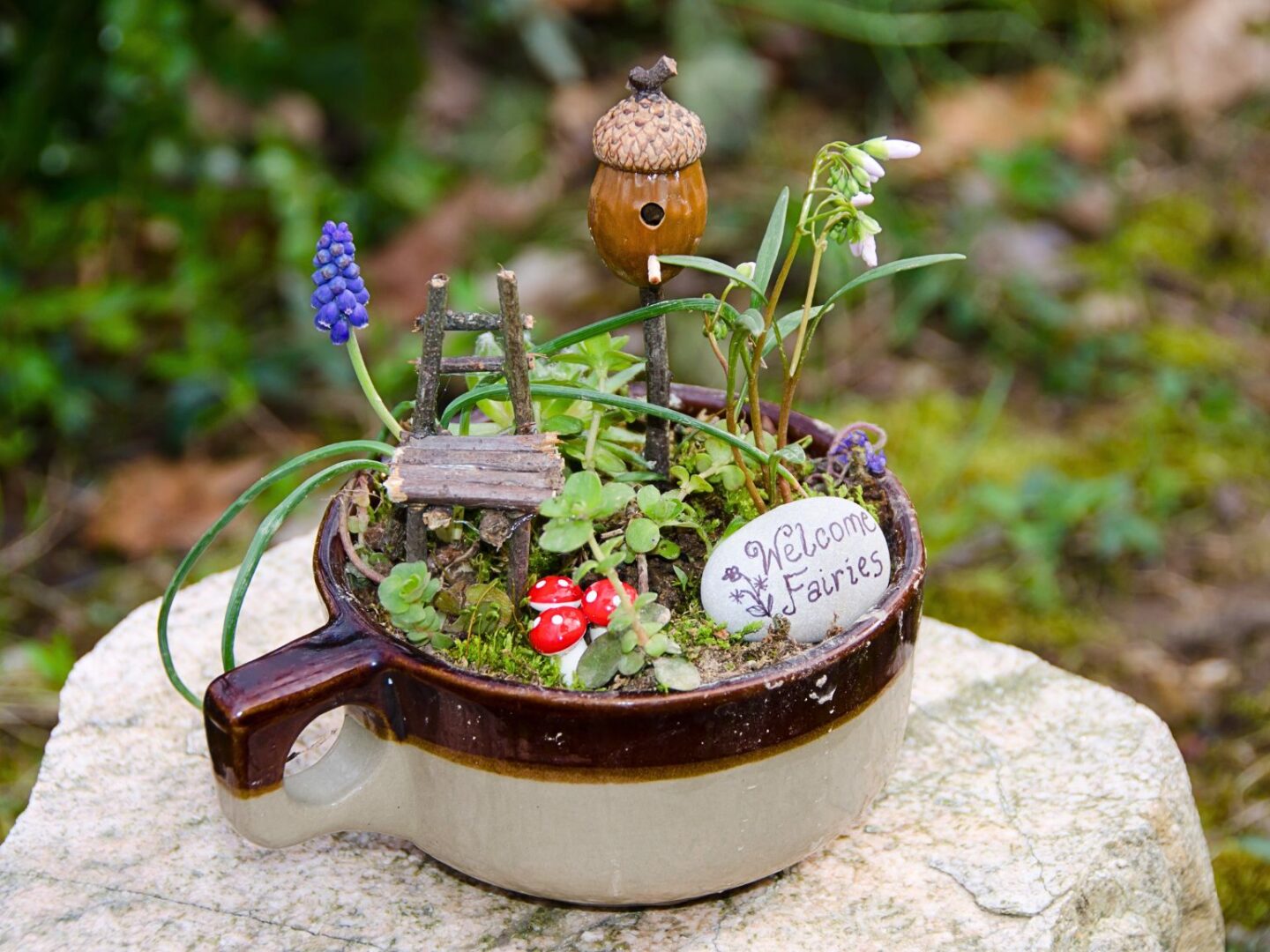
For younger children, themed gardens can be particularly appealing. A shallow container or tray filled with soil can be turned into a miniature fairy or dinosaur garden. Small plants such as moss, succulents, or ground cover varieties add greenery, while stones, shells, and tiny figurines bring the theme to life.
Children can arrange the decorations themselves and take pride in creating their own imaginative space. They can also water and tend to the plants, keeping the project alive over time. For parents, this is a good way to combine creativity with learning about plant care.
Plant a Family Herb Box
Herbs are a brilliant choice for children because they grow quickly and have a direct use in the kitchen. A family herb box can be planted in a wooden trough, a set of containers, or even repurposed household items like tin cans with drainage holes. Good options for beginners include mint, basil, and chives.
Children can take ownership of watering the box and checking for new growth. Harvesting small amounts to add to meals is a rewarding experience that reinforces their involvement. Parents can show them how to pinch leaves properly and explain how regular harvesting actually encourages more growth.
Kids could even learn how to freeze herbs, discovering that saving food not only helps reduce waste and supports sustainability, but also makes it easier to add fresh flavour to meals in the future.
Try a Project with Your Family
Gardening with children does not need to be complicated. Choosing projects that are simple, and fun helps them stay engaged while learning valuable lessons about responsibility and patience. Each activity offers something different for children to enjoy, from tall sunflowers to tasty strawberries or imaginative fairy gardens.
If you have been considering more outdoor activities for your family, pick one of these projects and give it a go. Encouraging children to garden provides more than plants; it creates memories, builds confidence, and supports healthy habits that can last a lifetime.



Over the years my girls have done all of these things and even though they say they hate gardening now they did have a great time. I still grow sunflowers now and they get excited seeing how tall they have grown.
What great ideas! x
I love the idea of a fairy or dinosaur garden!