*This is a collaborative guest post.
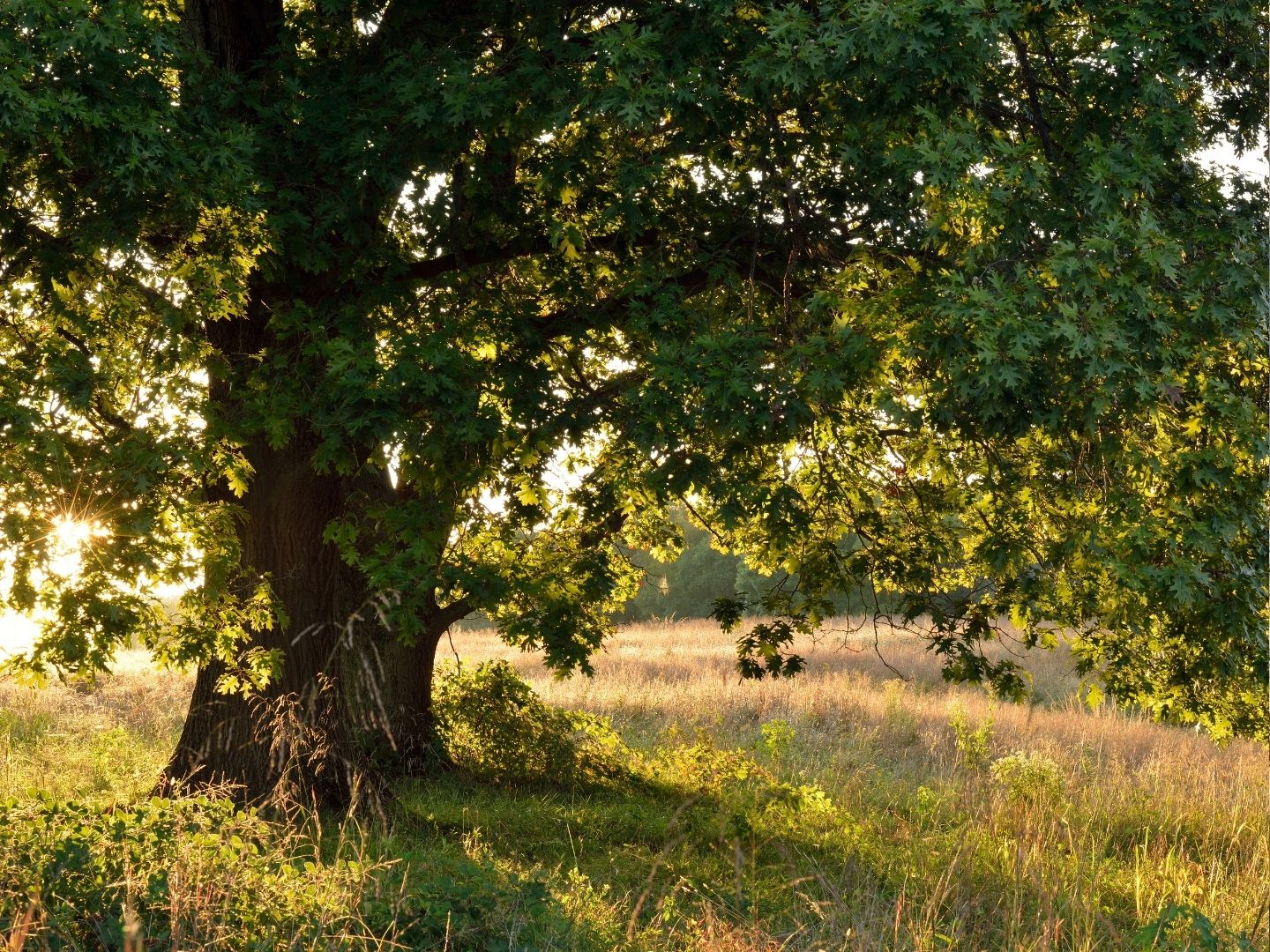
The trees around our homes offer great views, provide shade for summer picnics, and make a beautiful backdrop for countless family photos. But their role goes far beyond just looking nice. The health of your property’s trees is directly tied to the health, safety, and value of your home itself. A thriving tree is an asset, while a neglected or sick one can quickly become a big problem. Understanding how your trees and home are connected helps you protect one of your biggest investments and create a safer, more enjoyable space for your family.
Trees and Your Property Value
People often find a yard with mature, well-kept trees more appealing when they’re looking to buy a home. Studies show that healthy trees can significantly increase property values and make a house stand out on the market. Large, healthy trees suggest a stable, established neighbourhood and add curb appeal that new, sterile developments often lack. They frame a house, offer privacy from neighbours, and create a welcoming atmosphere the moment someone arrives.
However, this value depends on the tree’s health. A large tree with dead branches or signs of disease can be a major red flag and can lead to future removal costs or potential danger. For complicated jobs or very large trees, getting advice from a professional arborist ensures the work is done safely and correctly, protecting both the tree and your home.
Benefits Beyond Beauty
The benefits of healthy trees go far beyond just looking good. Deciduous trees, when thoughtfully placed, can provide dense shade in the summer, naturally cooling your home and reducing air conditioning use. In winter, when their leaves fall, they let sunlight stream in and provide passive solar heating. This can lead to real savings on your energy bills year-round.
Trees also act as natural privacy screens and sound barriers, which make your backyard a more peaceful and secluded spot. On a deeper level, spending time around trees has a proven positive effect on our mental well-being. Simply looking out a window at a green, leafy canopy can reduce stress and lift your mood. It’s a reminder of the powerful connection and what trees mean to us, that they offer beyond their practical uses.
Identifying Tree Health Issues
You don’t need to be an expert to spot the early signs that a tree is struggling. Regular, casual checks can help you catch problems before they get serious. As you walk around your yard, keep an eye out for these common signs of poor tree health:
- Dead or dying branches: Look for large branches that have no leaves during the growing season or feel brittle and dry.
- Discoloured or sparse leaves: Yellow, spotted, or unusually small leaves can indicate disease or nutrient deficiencies.
- Fungal growth: Mushrooms or other fungal bodies growing on the trunk or at the tree’s base often indicate internal rot.
- Cracks or cavities in the trunk: Deep splits in the bark or hollowed-out sections are serious structural weaknesses.
- Leaning: A sudden or noticeable lean, especially if the ground around the base is pushed up, may indicate that the root system is failing.
If you notice any of these signs, especially on a large tree near your house, it’s smart to get a professional opinion on the tree’s stability and health.
Preventing Tree-Related Damage
An unhealthy or poorly maintained tree can pose a serious threat to your property. During a storm, dead or weak branches can snap off and fall onto your roof, car, or fence, causing thousands of dollars in damage. In the worst cases, an entire tree can uproot and fall on your house. This is not only incredibly dangerous but also a nightmare to deal with.
The best defence is to prune regularly to remove dead or weak limbs before they have a chance to fall. It also helps the tree grow a stronger structure that can better withstand wind and ice. You should also be aware of root systems. Tree roots can sometimes invade and damage underground pipes or crack foundations and driveways. To avoid these long-term issues, don’t plant large tree species too close to your home’s foundation or main sewer lines.
Taking a little time each year to care for your trees can save you from major headaches and expenses down the road. It ensures they remain a beautiful and beneficial part of your home.