
*This is a collaborative post.
That tiny water stain on your ceiling might not seem scary, but it’s actually the beginning of what could become a really expensive nightmare. Most people see a small leak and think they can deal with it later, but roof problems don’t wait around for a convenient time to get worse. They keep growing, causing more damage every single day.
Understanding what happens when you ignore roof leaks can save you thousands of dollars and a lot of stress. The truth is, small leaks are easy and cheap to fix, but once they turn into big problems, you’re looking at major repairs that can cost more than some people’s cars.
Week One: The Leak Starts Small
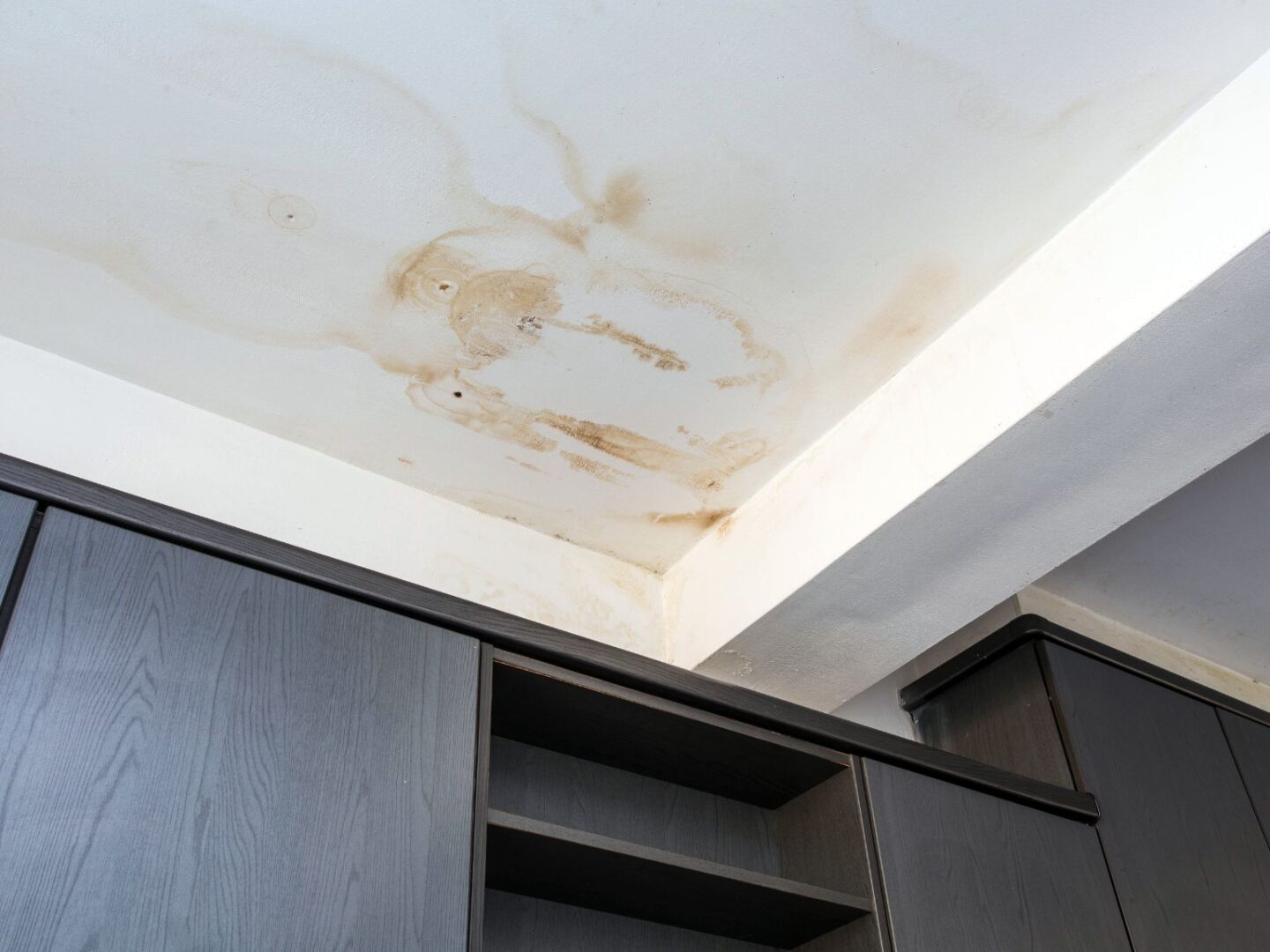
When water first starts getting through your roof, it might only drip during heavy rainstorms. Maybe you notice a small brown spot on your ceiling, or you hear an occasional drip in the attic. At this point, the problem is usually just a few missing shingles or a small crack in the roof material.
Fixing it right now would probably cost a few hundred dollars at most. A professional roofer could patch the hole, replace the damaged shingles, and you’d be done. But most people put a bucket under the drip and forget about it until the next storm.
This is where the real trouble begins. That water isn’t just dripping into your bucket – it’s also soaking into the wood structure of your roof. Every time it rains, more water gets in, and the wood starts to get soft and rotten.
Month One: Hidden Damage Spreads
After about a month of water getting in, the damage starts spreading to places you can’t see. The wooden beams that hold up your roof begin to weaken as they absorb water. This rot spreads outward from the leak, affecting more and more of your roof structure.
Water also starts moving through your insulation, making it soggy and useless. Wet insulation doesn’t keep your house warm or cool, so your energy bills start going up because your heating and cooling system has to work harder.
During this stage, you might notice the water stain on your ceiling getting bigger, or maybe you smell something musty in that room. Professional roofing contractors can still fix the problem at this point, but it’s going to cost more because they have to replace damaged wood and insulation along with fixing the original leak. When dealing with roof repairs that have progressed beyond simple patches, working with an experienced roofing company Columbus, OH or in another location, can help assess the full extent of damage and prevent further deterioration of your home’s structure.
Month Three: Mold Moves In
Here’s where things get really bad. After a few months of constant moisture, mold starts growing in your walls, attic, and ceiling. Mold loves dark, wet places, and your roof leak has created the perfect environment for it to spread.
Mold isn’t just gross – it can make your family sick, especially kids and anyone with allergies or breathing problems. Once mold gets established in your house, getting rid of it requires special equipment and professional cleaning that can cost thousands of dollars.
The water damage has also probably spread to your drywall by now. Drywall basically turns to mush when it gets wet, so you’re looking at replacing sections of your ceiling and maybe even some walls. The repair costs are climbing fast at this point.
Month Six: Structural Problems Begin
Six months of water damage means your roof structure is seriously weakened. Those wooden beams that hold up your roof might be so rotten that they can’t support the weight anymore. This is when you start seeing sagging areas in your ceiling or even cracks in your walls.
Water has probably found its way into your electrical system by now too, which creates fire hazards and means you need an electrician on top of the roofer and mold specialist. Your hardwood floors might be warping from all the moisture in the air, and wallpaper or paint could be peeling in rooms that seem far away from the original leak.
At this stage, you’re not just fixing a roof leak anymore – you’re dealing with major structural repairs that can easily cost tens of thousands of dollars.
One Year Later: The Disaster is Complete
After a full year of ignoring that small leak, you’re looking at a complete disaster. The roof structure might be so damaged that whole sections need to be rebuilt. Water damage has spread throughout the house, affecting floors, walls, electrical systems, and possibly even your foundation if water has been running down inside your walls.
The mold problem is probably so bad that you might need to move out while professionals tear out contaminated materials and rebuild large sections of your house. Your homeowner’s insurance might not cover all the damage because they can argue that you knew about the leak and didn’t fix it promptly.
What started as a simple repair that would have cost a few hundred dollars has turned into a renovation project that could cost more than $50,000 or even force you to rebuild your entire house.
The Real Cost of Waiting
The math is pretty simple when you think about it. Fixing a small roof leak right away costs maybe $300-500. Waiting six months might cost $5,000-10,000. Waiting a full year could easily cost $50,000 or more.
But it’s not just about money. Dealing with major water damage means living in a construction zone for months, dealing with insurance companies, finding temporary housing, and replacing personal belongings that got ruined by mold and water.
Taking Action Before It’s Too Late
The good news is that stopping this disaster is really simple, just fix small leaks as soon as you notice them. Check your ceilings regularly for water stains, especially after storms. Look in your attic occasionally to see if there are any signs of water getting in.
If you see any signs of a leak, don’t wait. Get it fixed right away, even if it seems minor. That small repair cost today prevents the massive disaster costs tomorrow. Your roof protects everything else in your house, so keeping it in good shape is one of the smartest investments you can make.
Remember, roof problems never get better on their own, they only get worse and more expensive. Taking care of small issues quickly is the difference between a minor inconvenience and a major life disruption.


