*This is a collaborative post.
Don’t let limited space stop your gardening passion. You can easily grow plants indoors using hydroponics. It is quite convenient for city dwellers or those who experience unstable weather year-round.
The wonders of soil-free farming do not end there. Keep reading to learn how to employ it to create your own organic haven.
What Is Hydroponics
Hydroponics revolutionises farming by tossing the need for soil aside entirely. It swaps dirt for a nutrient-rich water solution, drenching plant roots in everything they need to thrive.
This isn’t your everyday backyard gardening. It’s a precise, soil-free science. By delivering essential nutrients straight to the roots, it avoids the inefficiencies of traditional cultivation.
By directly supplying plants with light, water, oxygen, and essential minerals, hydroponics makes soil obsolete in a way.
This technique enables even rookie gardeners to control their plants’ nutrient consumption efficiently and speed up their growth.
It includes systems like Deep Water Culture and Nutrient Film Technique. Deep Water Culture submerges roots in aerated, nutrient-packed solution. Nutrient Film Technique sends a stream of rich nutrients across roots.
What Indoor Hydroponic Gardens Offer
By utilising vertical space, hydroponics enables you to transform a small and usually neglected corner of your home into a luscious oasis.
Seeing as it conserves both space and resources, it provides a convenient solution for urban gardeners with little to no outdoor access.
It also requires significantly less water than traditional gardening. In most systems, the run-off moisture that is not absorbed by the roots is recirculated. In return, this reduces both water consumption and waste.
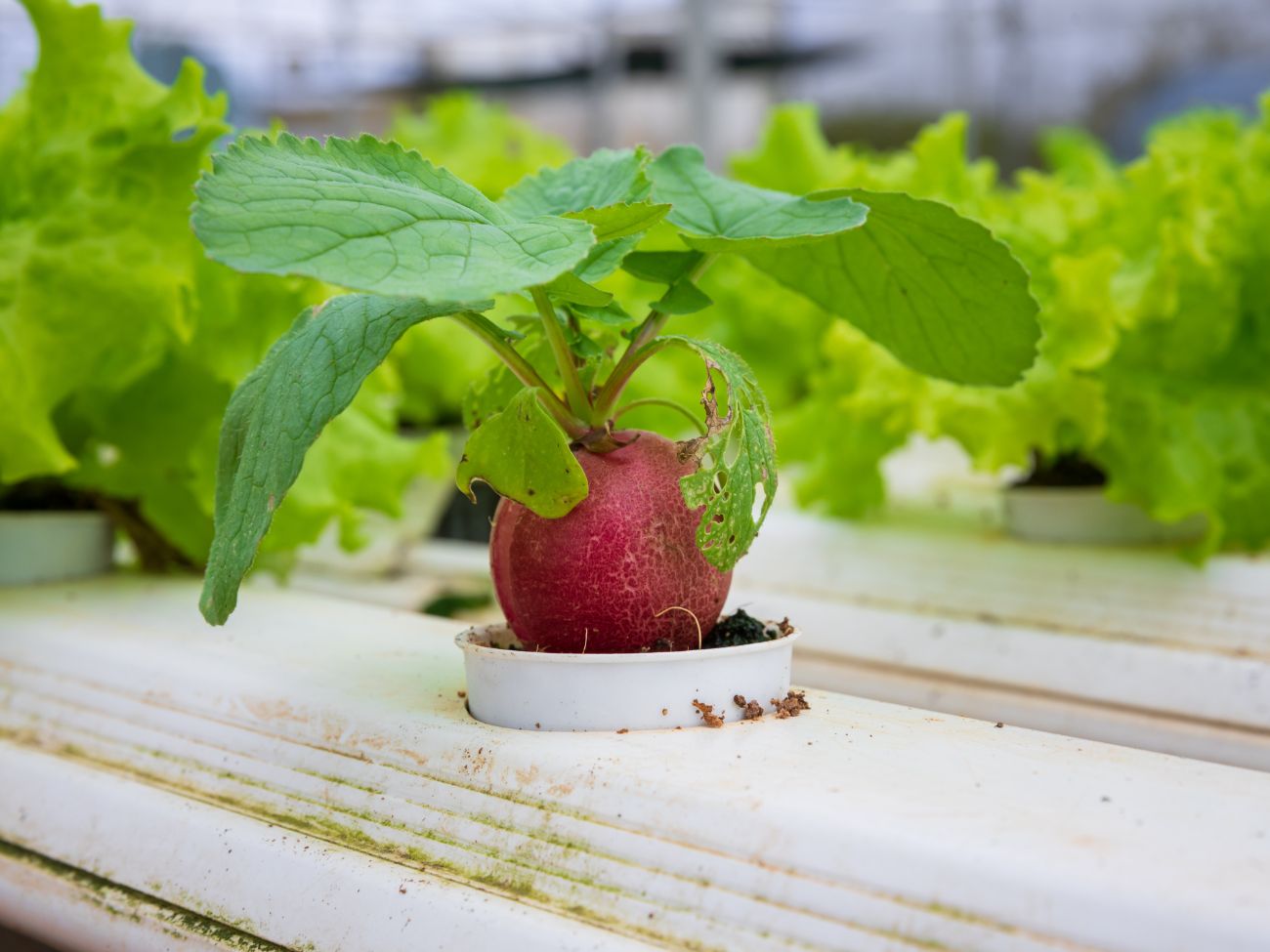
This remarkable feature is especially vital in regions experiencing rigid water restrictions or shortages.
Hydroponics shatters seasonal boundaries, allowing plants to flourish year-round. Lush greens, plump strawberries, sun-ripened tomatoes, whatever you choose, the system adapts. The range isn’t just broad; it’s practically endless.
It also eliminates the need for chemical pesticides since you would be working within a controlled environment.
As a result, you produce clean, nutrient-dense food without relying on synthetic additives. At the same time, your indoor air becomes fresher, free from many of the pollutants that traditional gardening might invite.
With each harvest, you’re not just feeding yourself. You’re making a quiet but powerful statement about sustainability.
This conscientious approach also yields phenomenal psychological benefits. Nothing quite matches the immense sense of gratification and pride you get when you finally harvest your own homegrown crops.
Choosing the Right System and Equipment
If you live in a modest flat, vertical gardens or countertop units will allow you to maximise any space you have.
You can easily expand vertical gardens upwards, whereas countertop units would be ideal if you want to start small.
Lighting obviously plays a crucial role here. Natural light likely will not be enough, especially if your home is surrounded by tall buildings.
LED grow lights are a brilliant solution in this scenario. They provide full-spectrum light like a fluorescent lamp typically would, except that they are more energy efficient and have a longer lifespan.
Your hydroponic kit should also include a container, a soil substitute where plants can thrive, and a pressurised pump. Also, don’t forget a nutrient-dense solution.
Additionally, you need a pH meter to monitor and optimise the pH levels, thereby ensuring that your plants can absorb the requisite nutrients effectively.
Look for your required items at neighbourhood stores for special offers on hydroponic equipment. Start with a simple system is recommended, and then progressively improve it as your skills and knowledge increase.
Should you be operating with limited funds, you could handcraft your system using handy items such as pails or repurposed containers.
Should you find yourself overwhelmed by the logistics of it all, enlist the help of a professional gardening service. They will walk you through everything you need to set up a thriving indoor environment.
Selecting the Right Plants
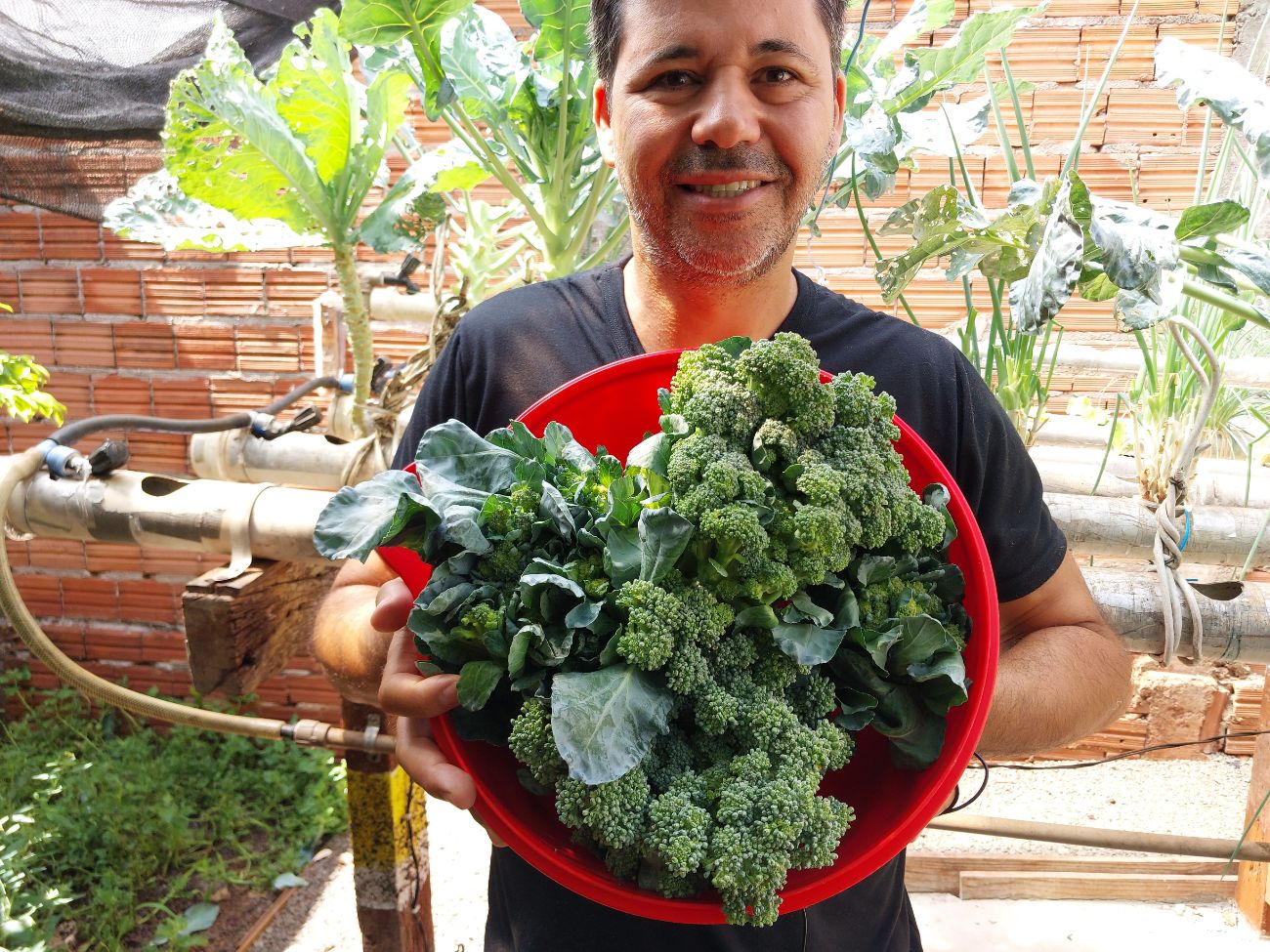
Newcomers to hydroponics frequently achieve impressive results with fast-growing greens like spinach and lettuce. Fragrant herbs such as mint and basil also thrive effortlessly.
Despite their confined root space, these easy-to-grow yet adaptable plants flourish exceptionally well. They find nutrient-dense environments quite accommodating. Plus, they grow quickly, so you will be able to enjoy the fruits of your labour soon enough.
You must be aware of the varying needs of every species before making a choice, though. For example, arugula and collards flourish in moderate light, while tomatoes and strawberries require brighter conditions.
Other varieties that flourish in indoor hydroponic setups include sweet peppers, cucumbers, green beans, and marigolds.
Setting up Your Garden
Starting your hydroponic haven is pretty straightforward. Finding a bright spot, like a sunny windowsill, is the first step. If your place does not get much natural light, strategically position artificial lights to keep your plants happy.
Once you have located the perfect home for your garden, set up your container and water pump. You will also need clay pellets or rock wool to support the plants as they grow.
Dialing in the perfect nutrient mix is non-negotiable since it serves as the plant’s main source of nourishment.
Roots thrive when they’re completely submerged, so keeping them well-soaked is a top priority. Letting water levels drop too low can spell disaster, so keeping an eye on them is a must.
Precision matters when it comes to pH. The sweet spot sits between 5.5 and 6.5—stray too far, and the plants won’t perform at their peak.
Neglect invites trouble. Without consistent system maintenance, pests will find their way in, and once they do, getting rid of them becomes a battle. That leads us straight into the next crucial aspect.
Maintaining Your Hydroponic System
A thriving hydroponic garden depends on regular monitoring and careful maintenance. Checking water and nutrient levels every week helps catch imbalances before they disrupt plant growth.
Algae can silently take hold, interfering with nutrient absorption and throwing the system off track. Keeping containers and equipment spotless is just as important as feeding the plants.
Giving your system a deep clean every two weeks with a mild bleach solution or a high-quality commercial cleaner helps keep algae at bay and preserves a stable environment for growth.
Vigilance is key. Any signs of distress in your plants shouldn’t be ignored. If dark spots begin creeping across the leaves, pests may already be at work, threatening overall plant health.
Precision matters when it comes to nutrients. A digital tester delivers exact readings, and you can fine-tune levels and keep your plants in good shape
For pest control, natural solutions like neem oil offer an effective and eco-friendly way to protect plants without harsh chemicals.
Conclusion
Hydroponic gardening opens up a world of possibilities, especially for those without a patch of soil to call their own.
With the right setup, even the most overlooked corners can become thriving hubs of greenery. A forgotten nook, or a bare windowsill, suddenly pulses with life.
Year-round harvests aren’t just a dream. They’re entirely within reach. The key is finding the system that fits your space, your needs, and your vision and then diving in hands-first.