*This is a collaborative guest post.
Bringing a motorcycle into the family can feel like opening a door to a whole new world of adventure. It’s an image filled with open roads, scenic weekend trips, and a sense of freedom that’s hard to beat. But for families, the dream of two-wheeled adventure comes with a practical checklist of questions about budget, safety, and how it all fits into an already busy life. It’s more than just one person’s hobby; it’s a lifestyle choice that affects everyone. Balancing the thrill with responsibility is key to making motorcycle ownership a positive, lasting part of your family’s story.
Is a Motorcycle Right for Our Family?
Before you start browsing for bikes, talk it over as a family. A motorcycle sounds exciting, but the reality involves time, space, and a shift in routines. Think about how it will actually fit into your life. Will it be a weekend escape vehicle for one parent? A way for two of you to have date nights? Or a new mode of commuting?
Consider the time commitment beyond just riding. Motorcycles need regular maintenance, cleaning, and care. This time has to come from somewhere, whether it’s an evening in the garage or a Saturday morning. You’ll also need a secure place to store it. A garage is ideal, but a covered, locked area can also work. The main thing is to protect it from weather and theft.
Finally, discuss how it fits your family’s overall lifestyle. If your weekends are already packed with kids’ sports and activities, finding time for long rides might be tough. However, a motorcycle could be the perfect way to grab a few hours of solo time to decompress. Being honest about these practicalities ensures the bike becomes a source of joy, not just another stressful item on your to-do list.
Budgeting for Your Bike: More Than Just the Sticker Price
One of the biggest hurdles for any family purchase is the budget. With a motorcycle, the initial purchase price is only the beginning. Creating a realistic budget means looking at the total cost of ownership to avoid any financial surprises down the road.
First, there’s the bike itself. A new motorcycle offers the latest technology and a full warranty, but a used bike can save you a lot of money. After you buy it, you’ll need to account for essential gear. Don’t cut corners here. A quality helmet, jacket, gloves, and boots are non-negotiable for safety. If you plan on riding with a passenger, they’ll need a full set of gear as well.
Then come the running costs. These include:
- Fuel: Motorcycles are generally fuel-efficient, but costs add up.
- Maintenance: Regular servicing, oil changes, and chain adjustments are necessary.
- Tires: Motorcycle tires wear out faster than car tires and are a critical safety component.
- Insurance: This is a vital and mandatory expense. The cost can vary widely based on the bike, your riding experience, and where you live. Specialist brokers can help you compare options effectively. For example, getting a quote for Carole Nash motorbike insurance can give you a clear idea of what to expect for your specific bike and circumstances.
Factoring in all these elements, from the gear to the long-term care and ownership costs, gives you a true financial picture. This allows your family to make a decision that is both exciting and financially sound.
Safety First: Gearing Up and Getting Trained
For any parent, safety is the number one priority. Owning a motorcycle responsibly means committing to a culture of safety that starts long before you ever hit the road. This commitment involves two main things: getting the right training and investing in the right gear.
Professional training is the single most important investment you can make in your safety. Even if you rode years ago, a refresher course can be invaluable. In many places, basic training is mandatory before you can even get a license. For instance, riders in the UK must complete Compulsory Basic Training (CBT), which covers fundamental skills and road safety. These courses teach you not just how to operate the bike, but how to anticipate hazards, maneuver in emergencies, and become a defensive rider.
Just as important is the gear. Your helmet is the most critical piece of equipment, but it’s only one part of the system. A complete set of essential protective equipment should include:
- A full-face helmet: Look for one that meets or exceeds current safety standards.
- A motorcycle jacket: Choose one with built-in armor at the elbows, shoulders, and back. Materials like leather or reinforced textiles offer the best abrasion resistance.
- Gloves: In a fall, your hands often hit the ground first. Motorcycle-specific gloves protect your skin and bones.
- Riding pants: Reinforced jeans or textile pants offer far more protection than regular denim.
- Boots: Over-the-ankle boots protect you from ankle injuries and provide a secure grip on the pavement.
This gear isn’t just for you; any family member who rides as a passenger needs the same level of protection. Making safety non-negotiable on every ride protects you and sets a strong example for your kids.
Choosing the Right Motorcycle for Family Adventures
With budget and safety covered, the fun part begins: choosing a bike. The “right” motorcycle depends entirely on how you plan to use it. Are you dreaming of solo rides on winding country roads, or do you envision weekend getaways with your partner? The answer will guide you toward the best type of bike for your family.
Many different types of bikes exist, each with its own strengths.
- Cruisers: These are the classic, laid-back bikes with a comfortable, low-slung riding position. They are great for relaxed rides and are often comfortable for passengers.
- Touring Bikes: Built for the long haul, these motorcycles are large, comfortable, and come with plenty of storage for luggage. They are the top choice for couples who want to take multi-day trips.
- Adventure Bikes: These versatile machines are designed to handle both paved roads and light off-road trails. They offer an upright riding position and are great for exploring off the beaten path.
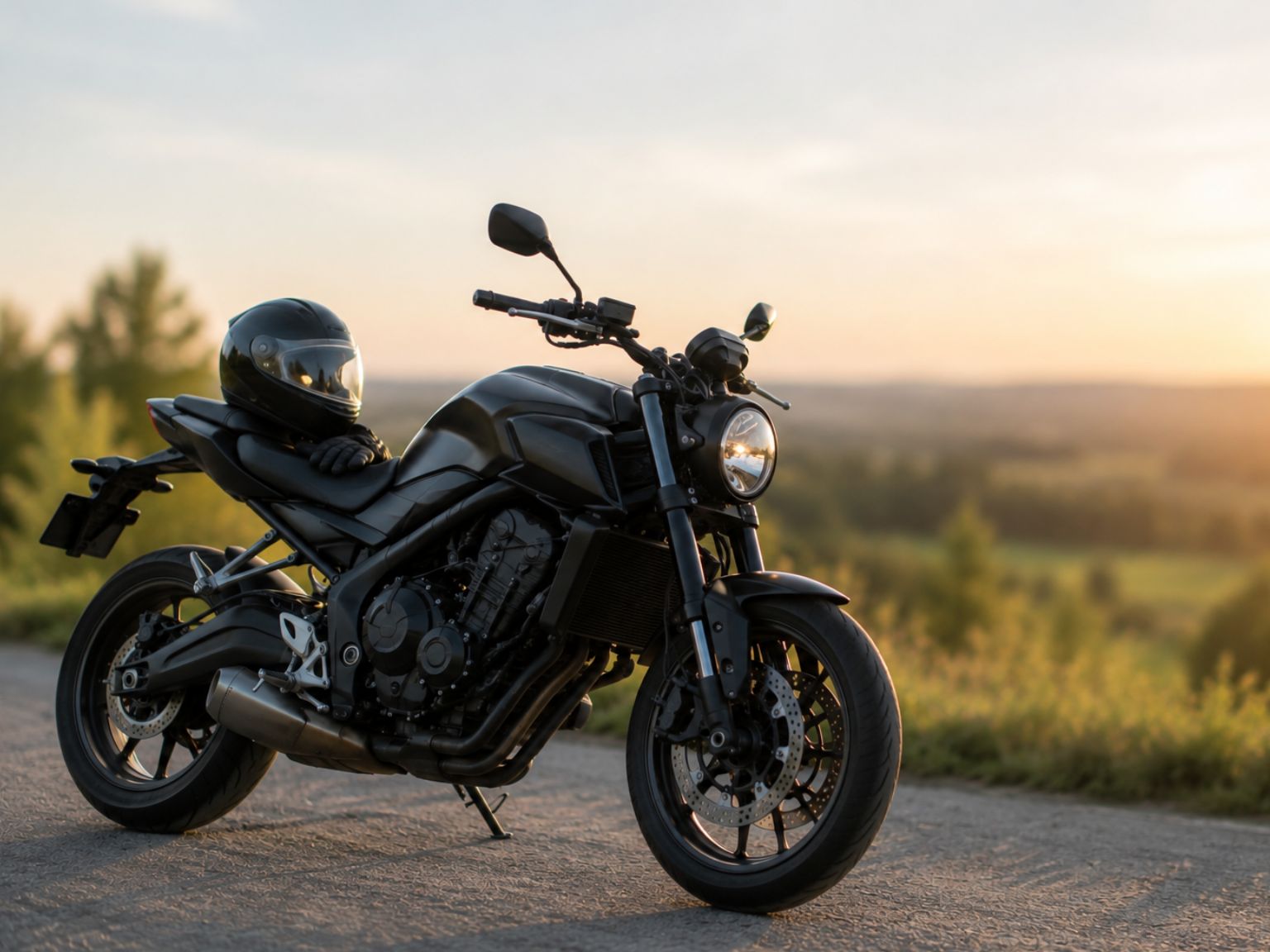
- Standard or “Naked” Bikes: These are great all-arounders. They are more straightforward in design, easy to handle, and work well for commuting or shorter weekend rides.
If you plan on riding with a passenger (a pillion), pay close attention to the rear seat and passenger footpegs. Some bikes are designed purely for the rider, while others have comfortable accommodations for two. Test riding a few different styles is a great way to see what feels best for you and your intended use.
Making It a Family Affair
Even if your kids are too young to ride, a motorcycle can still bring family fun and connection. The key is to involve everyone in the adventure, turning a solo hobby into a shared interest.
One of the easiest ways to do this is to plan ahead. Spread a map out on the kitchen table and let the kids help pick a destination for a day trip. They can find a cool park, an ice cream shop, or a scenic viewpoint for the family to meet up. The rider can take the scenic route, while the rest of the family meets them there in the car. This turns a simple ride into a mission with a fun reward at the end.
You can also involve them in the bike’s upkeep. Simple tasks like washing the bike or helping to check the tire pressure can be a great way to teach responsibility and spend time together. It demystifies the machine and fosters shared ownership. These moments create memories and show that the motorcycle isn’t just one person’s escape; it’s another way to bring the family together for new experiences.
Ultimately, adding a motorcycle to your family is about more than just the machine. It’s about embracing a spirit of adventure, making memories, and doing it all safely, smartly, and inclusively for everyone.