*This is a collaborative post.
Tiles are a reliable and stylish option for floors and walls, but they are not immune to wear. Over time, moisture, grime and everyday use can leave them looking dull or, worse, dotted with mould. Restoring them to their best is never just a matter of elbow grease.
With the right approach and a good tile cleaner, you can bring tiled surfaces back to life without the frustration of endless scrubbing.
Why Tiles Attract Stains and Mould
Bathrooms, kitchens and outdoor areas are the biggest culprits when it comes to tile damage. Constant exposure to water, soap residue and heavy foot traffic creates the ideal environment for mould to settle in, particularly along grout lines or on porous tiles like limestone and sandstone.
Even glazed ceramic or porcelain tiles, which resist stains better, eventually succumb if their protective seal wears off. Left unchecked, that fine film of grime can gradually turn into a breeding ground for mould and discolouration.
The Risks of Ignoring the Problem
It is tempting to ignore a faint stain or a little mould in the corner, but small issues rarely stay that way. Mould is not only unsightly but can trigger allergies, aggravate asthma, and compromise indoor air quality. Once it spreads below the surface or deep into grout, removing it becomes far more challenging.
Stains can be just as damaging, especially on natural stone, where they may leave permanent marks. In the long run, neglecting these problems often leads to costly repairs or replacements, an outcome most homeowners would prefer to avoid.
Choosing the Right Tile Cleaner for the Job
The wrong product can do more harm than good. Many people reach for multipurpose sprays or strong chemicals, only to discover later that they have etched or dulled their tiles. A purpose-made cleaner is the safer bet. These products are designed to cut through soap scum, grease, and mould while preserving the finish of the tile.
The key is to select one that matches your surface because what works for porcelain may not suit marble or terrazzo. Some professional-grade options also contain anti-mould ingredients, offering protection long after you’ve finished cleaning.
How to Remove Stubborn Stains and Mould Safely
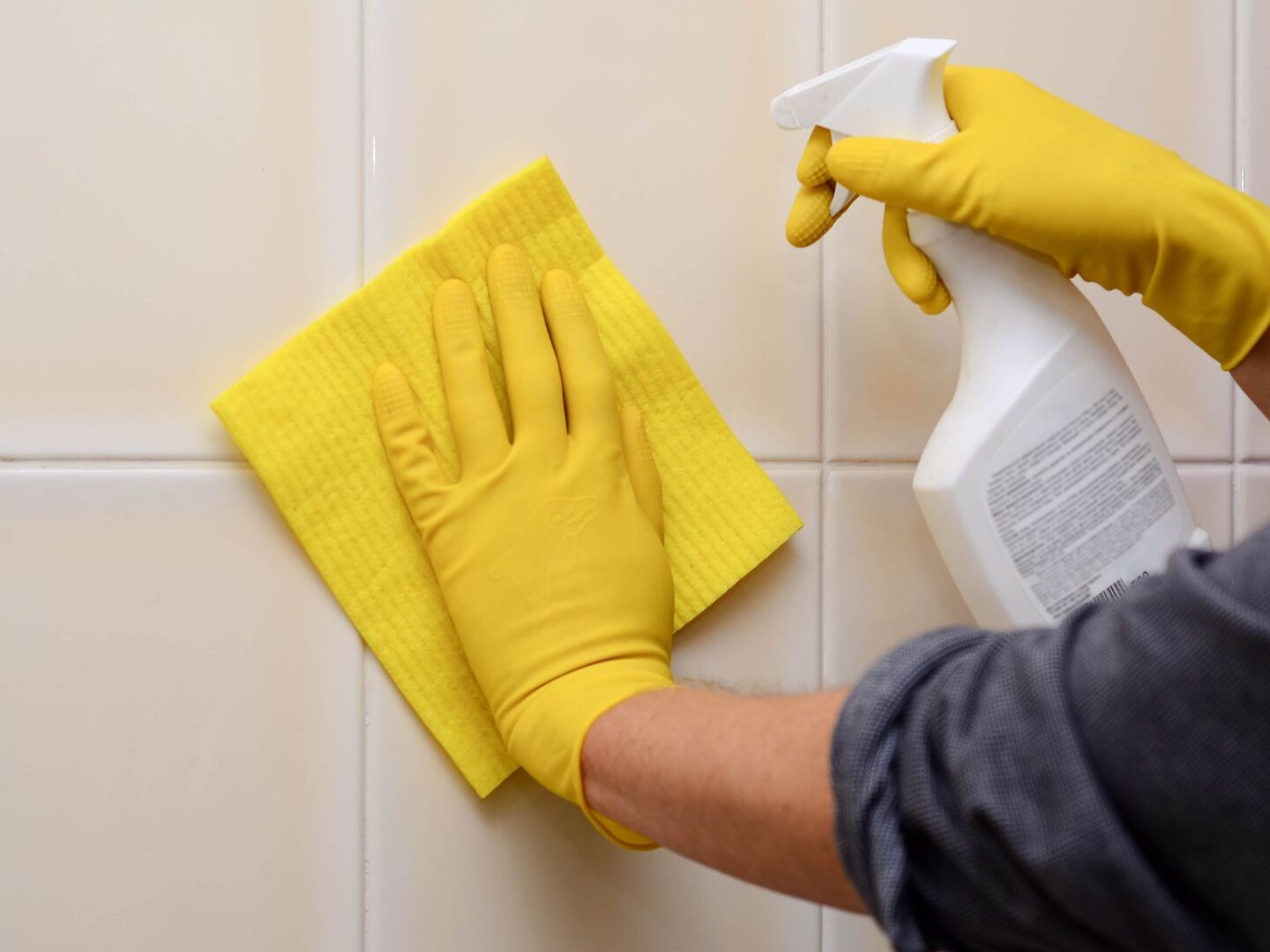
Preparation makes all the difference. Start by clearing away loose dirt and dust, then ensure the area is well ventilated, open a window or switch on an exhaust fan. Apply your chosen cleaner evenly, giving it enough time to work. Rushing this stage is one of the most common mistakes, letting the solution sit allows it to break down tough deposits and mould spores more effectively.
Once the cleaner has had time to activate, use a soft-bristle brush or a non-abrasive pad to scrub the surface. Pay extra attention to grout lines and edges, as these tend to trap the most build-up. When the scrubbing is done, rinse thoroughly with clean water and dry the area with a cloth or towel. Any leftover moisture can undo your efforts by encouraging mould to reappear.
Measures to Keep Tiles Looking New
After the hard work of deep cleaning, a little maintenance goes a long way. Weekly wipe-downs and a more thorough clean once a month can prevent build-up from taking hold. Good ventilation is another essential, humidity is mould’s best friend, so airflow is your ally. Simple steps like leaving a bathroom door open after a shower or running an exhaust fan make a noticeable difference.
For porous materials, consider applying a penetrating sealer. This invisible barrier reduces the risk of stains and moisture seeping in, making day-to-day cleaning easier. Depending on usage, resealing every year or two will keep the protective layer intact and the tiles in top condition.
Rounding Up
Tiles are meant to be both practical and attractive, but they demand a little attention to stay that way. Tackling stains and mould promptly, using products designed for the job, and sticking to a maintenance routine will keep them looking sharp.
A bit of consistent care now saves you from bigger problems down the track, while ensuring your tiled surfaces remain a feature you can be proud of.





This is very useful article, thank you.