
*This is a collaborative post.
Luxury vinyl tile has become a popular flooring choice because it combines style with durability. It can handle daily use in busy homes, but simple habits make a big difference in how well it holds up over time. The right care routine helps the floor stay fresh and attractive for many years.
This article shares practical advice that focuses on everyday habits and easy maintenance steps. From cleaning methods to small protective measures, each tip shows how to keep the surface in top condition without extra effort. By following these suggestions, anyone can protect their investment and enjoy floors that continue to look their best.
1. Sweep or vacuum regularly to remove dirt and grit that can scratch the surface
Loose dirt and grit can act like sandpaper on LVT floors. Over time, these small particles may leave fine scratches that dull the finish. Regular sweeping or vacuuming helps prevent this damage and keeps the surface looking smooth.
A soft-bristle broom works well for daily dust removal. For deeper cleaning, a vacuum with a hard floor setting is effective because it lifts dirt from edges and corners without dragging across the tiles.
High-traffic areas benefit most from frequent attention since they collect more debris. By staying consistent, the floor maintains its original appearance for longer.
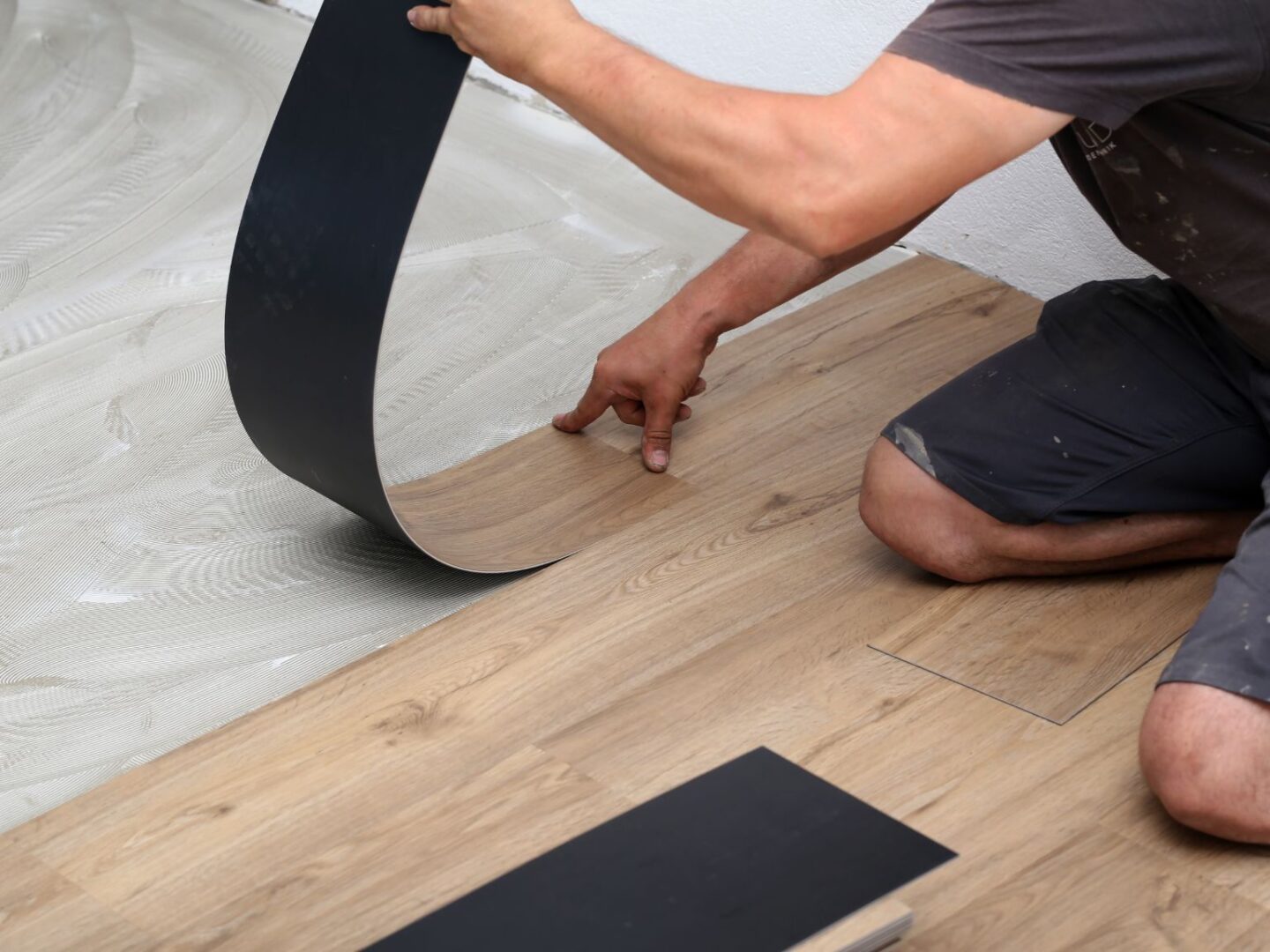
Those who invest in LVT Vinyl tiles from Luxury Flooring can extend their lifespan with this simple routine. Preventing scratches early reduces the need for costly repairs or replacement later.
Adding doormats at entrances also reduces how much grit enters the home, making each sweep or vacuum more effective.
2. Use a damp mop with a pH-neutral cleaner specifically designed for LVT flooring
Regular cleaning with a damp mop helps maintain the surface of LVT flooring without leaving streaks or residue. A pH-neutral cleaner made for vinyl floors protects the finish and prevents dullness over time. This type of cleaner also avoids the risk of discolouration that harsher products may cause.
It is best to avoid bleach, ammonia, or abrasive solutions, as these can damage the protective layer of the tiles. A mild, vinyl-safe cleaner provides enough strength to lift everyday dirt while keeping the floor in good condition.
For best results, use a microfiber mop rather than traditional string mops. Microfibre holds moisture evenly and reduces the chance of excess water sitting on the floor, which could seep into joints. This method keeps the tiles clean without harming the structure or appearance. By following this approach, homeowners can keep their LVT flooring looking fresh and extend its lifespan with minimal effort.
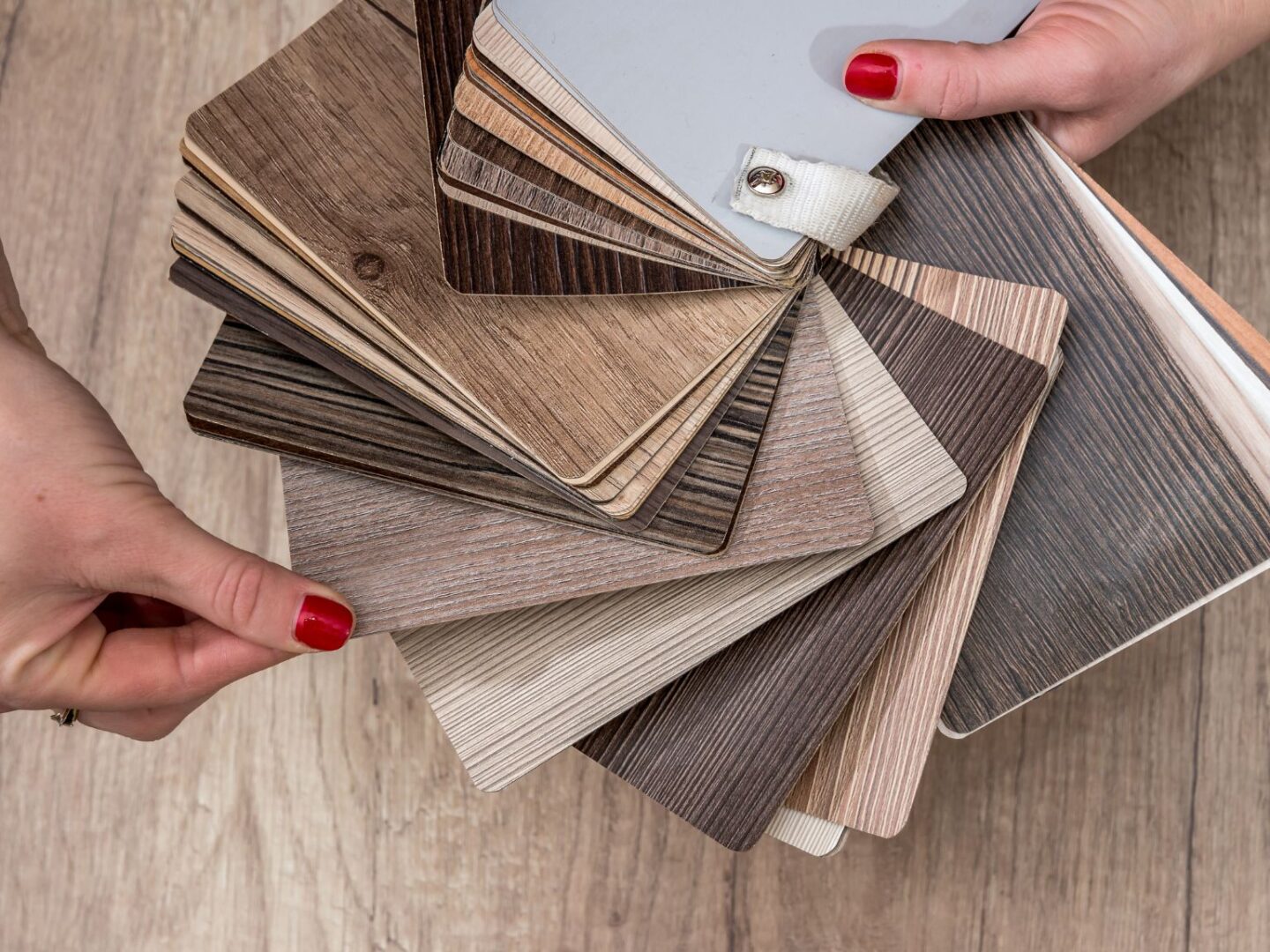
3. Avoid abrasive cleaning tools and harsh chemicals that can damage the vinyl
LVT vinyl tiles have a protective surface that helps them resist wear, but rough tools such as steel wool or stiff brushes can scratch that layer. Even small scratches can make the floor look dull and collect dirt more easily.
Harsh chemicals also pose a risk. Products with ammonia, bleach, or strong solvents can strip the finish and weaken the surface over time. This damage may not appear right away but will shorten the lifespan of the flooring.
A safer approach is to use a soft mop or microfibre cloth with a gentle cleaner made for vinyl floors. These methods clean effectively without harming the protective coating.
In addition, avoiding vinegar-based mixtures is wise, as acidic solutions can cause discolouration. By sticking to mild products and non-abrasive tools, the tiles will keep their original look for far longer.
4. Place protective pads under furniture legs to prevent indentations and scratches
Heavy furniture can leave dents or scratches on LVT floors if placed directly on the surface. Over time, these marks may become permanent and affect the appearance of the tiles. Protective pads under furniture legs provide a simple way to reduce this risk.
Felt pads, rubber cups, or silicone protectors help spread the weight more evenly. This prevents sharp pressure points from digging into the floor. They also reduce friction, which lowers the chance of scratches when furniture shifts slightly during use.
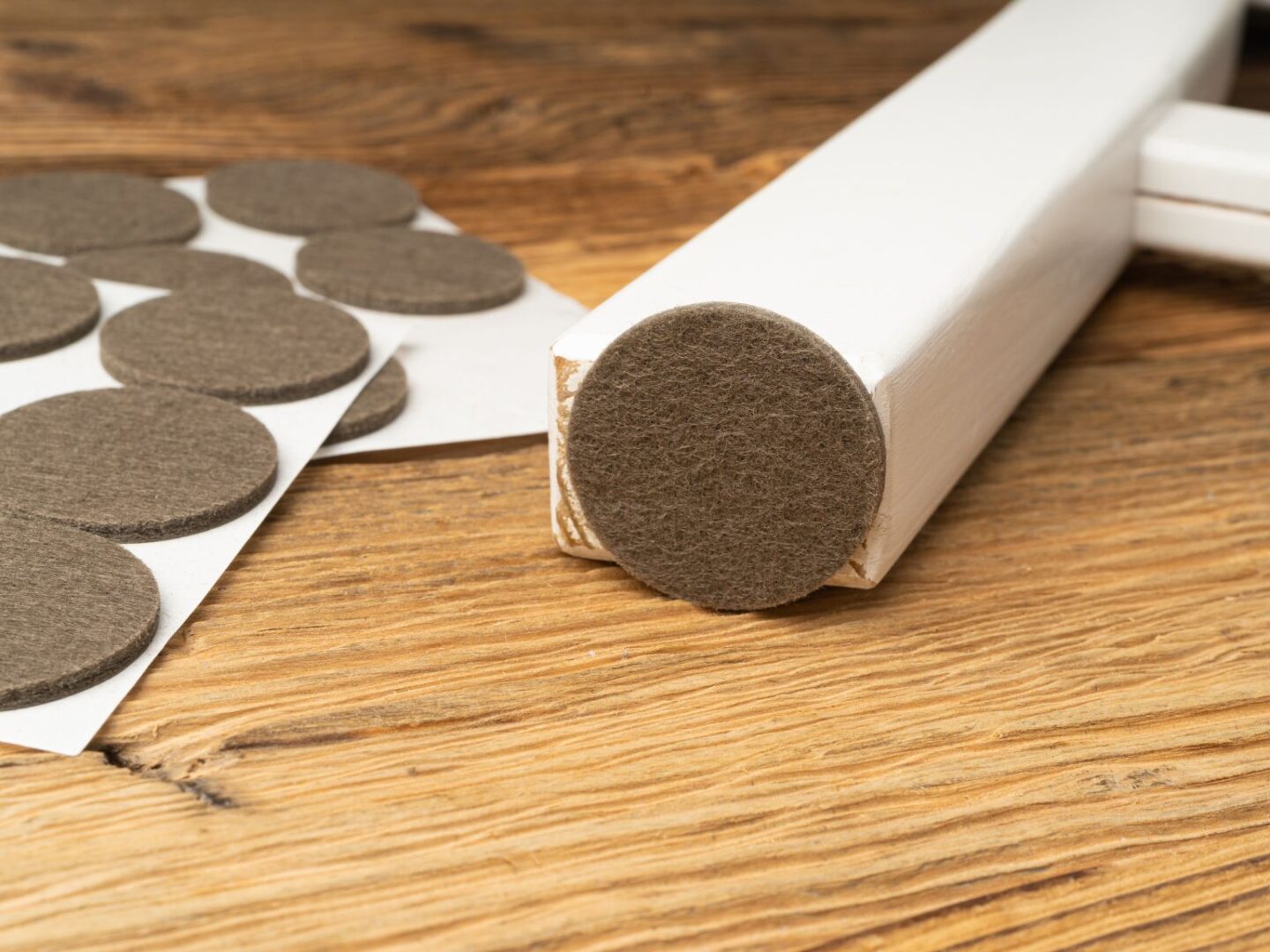
It is best to choose pads that match the size and shape of the furniture legs. A proper fit keeps them in place and offers consistent protection. Self-adhesive pads are easy to apply, while slip-on versions work well for chairs or tables that move often.
Regular checks help too, as pads can wear down or collect dirt. Replacing them as needed keeps the floor protected and looking its best.
5. Clean spills immediately to prevent staining or damage to the wear layer
Spills can leave marks on LVT if they sit for too long. Liquids, food, or grease may seep into the surface and affect the appearance of the tiles. Quick action helps protect the wear layer and keeps the floor looking consistent.
A soft cloth or paper towel works well to blot up liquids right away. For sticky or greasy spots, a damp mop with a gentle cleaner can remove residue without harming the surface. Avoid harsh chemicals that might dull or weaken the finish.
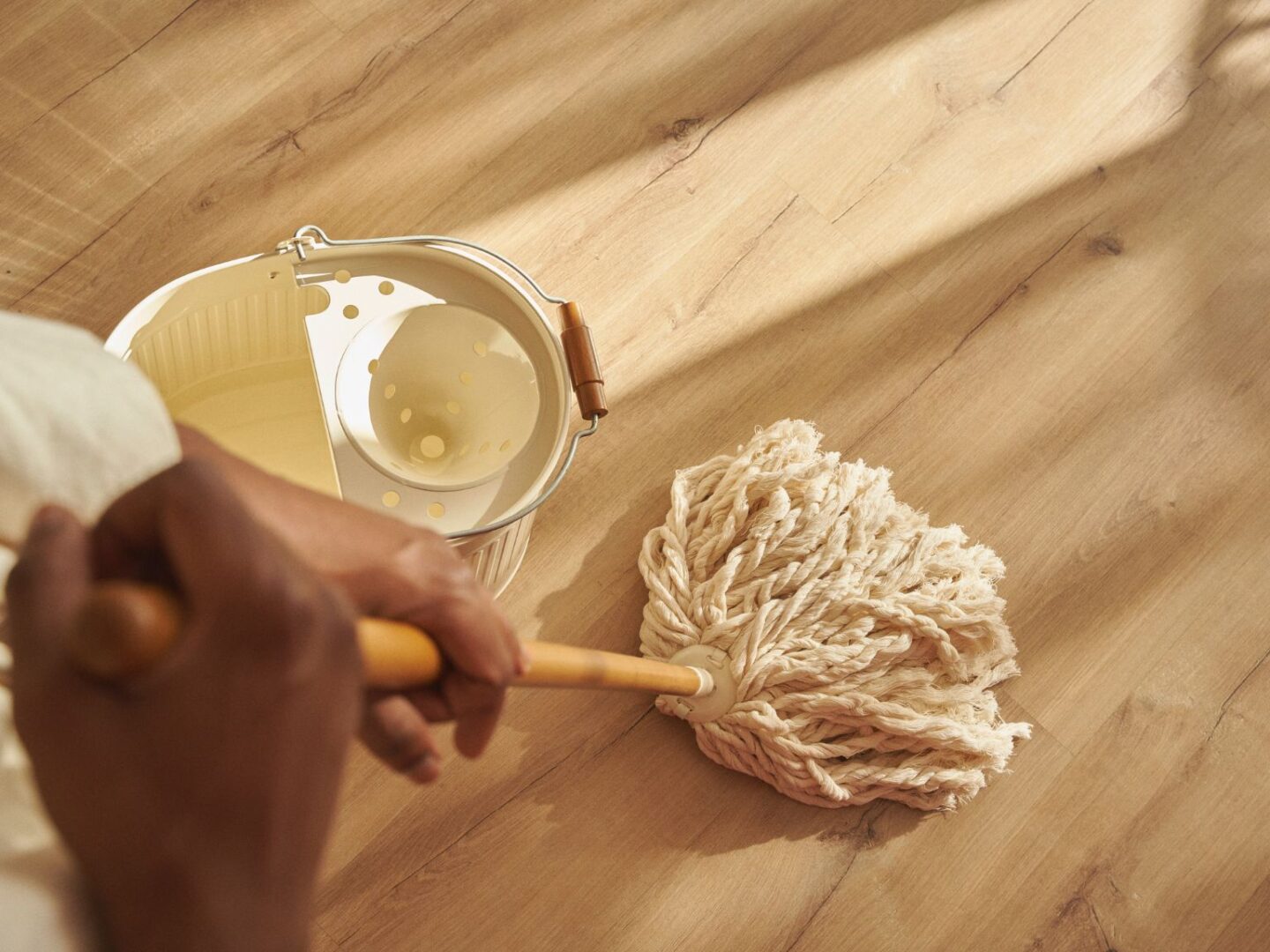
Prompt cleaning also prevents odours and makes later maintenance easier. By dealing with spills straight away, the flooring stays in good condition and requires less effort to maintain over time. Simple habits like this extend the life of LVT and preserve its original look.
6. Use entrance mats to reduce dirt and moisture tracked onto the floor
Entrance mats act as the first barrier between outdoor mess and your LVT floor. They trap dirt, mud, and moisture at the door, which helps protect the surface from scratches and stains. This simple step reduces the amount of cleaning needed inside the home.
Different mats serve different purposes. Mats with scraper textures work well in busy entryways where shoes carry heavy soil or grit. Softer mats absorb moisture and help prevent water from spreading across the floor. A combination of both types can offer better protection.
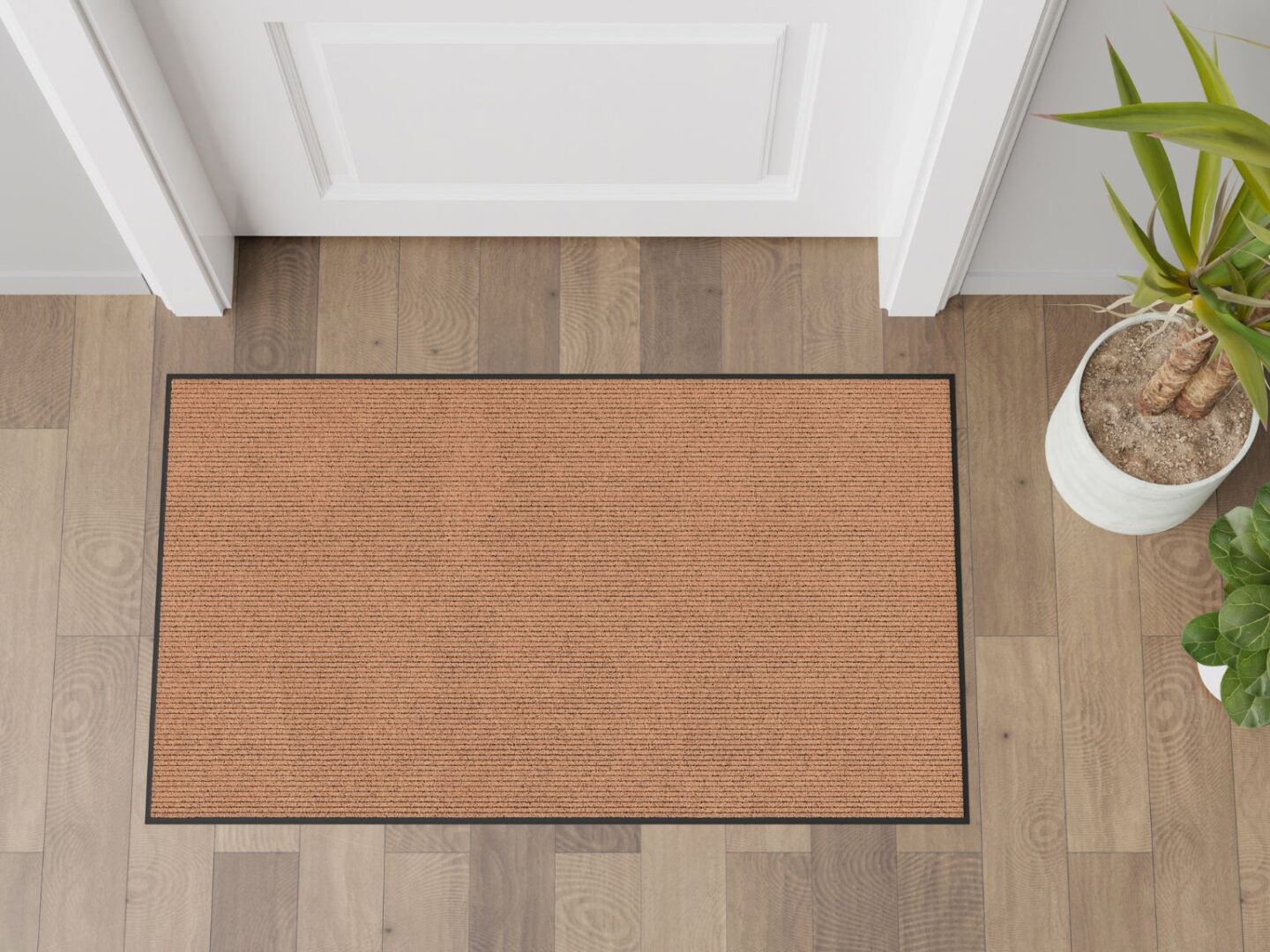
Placement also matters. A mat outside the door catches most of the debris, while an indoor mat collects anything left behind. Together, they reduce the risk of slips and keep floors looking cleaner for longer.
Regularly shake out or clean the mats so they continue to work effectively. A worn or saturated mat will stop holding dirt and water, which can then spread across the floor.
Final Thoughts
Regular care helps LVT tiles keep their appearance and function for many years. Simple habits such as sweeping away dust, wiping spills quickly, and using the right cleaning products make a clear difference.
Protective measures also matter. Furniture pads, rugs in high-traffic spots, and avoiding harsh tools reduce scratches and marks.
By following these practices, homeowners can maintain both the style and strength of their flooring without unnecessary effort. This steady approach keeps the surface fresh, clean, and ready for daily use.



Great tips for caring for LVT flooring. I love how easy it is to care for my floors yet they look great! #MMBC
I love all this advice, especially pads under furniture. We are about to buy a new house and there will be lots needing to be done to it so I appreciate all the advice.
These are some very useful tips. Our laminate flooring could use some care.
So easy to use – wouldn’t mind these in my kitchen