*This is a collaborative post.
Getting out and connecting with others can be such a mood booster—and for those with disabilities, it’s no different. If you’re trying to help a loved one who’s disabled, one of the best things you can honestly do for them would have to be more present, more social, and more active. Sure, it might be strenuous or even tiresome at first, but honestly, it’s completely worth it.
But let’s be honest: stepping into community activities can feel challenging if someone is dealing with physical, sensory, or social obstacles. Yes, it’s tiresome, but it’s overwhelming too. But for anyone, disabled or not, it can help in the long run; you’ll just feel a lot better about yourself all around. But it all starts with that push to get them out there and to get them active. So, where do you start? Well, here are a few things you can try!
Find Classes and Hobbies They’ll Love
One of the easiest ways to make connections is through something enjoyable. Whether it’s an art class, a cooking workshop, or even a film club, getting involved in an activity they already like can make meeting others feel natural. And it doesn’t need to be labeled a “social activity” – it’s just fun! Now, with more community centres now offering both in-person and virtual options, there’s flexibility for joining in whichever way feels best.
Explore Inclusive Sports and Fitness Options
Physical activity is a huge confidence booster, and there’s a whole world of adaptive sports and fitness classes out there now. Honestly, it doesn’t matter what the disability is, but there really is something out there for everyone. For example, there’s wheelchair basketball, there’s swimming, yoga, dance, so much stuff. Plus, most communities tend to offer inclusive sports programs tailored for a variety of abilities. Beyond the fitness benefits, these activities bring a real sense of belonging and accomplishment.
Check Out Community Programs
So, community programs were mentioned above, but it’s best to zoom in a bit more on this. So, they are a fantastic way to connect community programs to those with disabilities. The whole goal is to help them feel connected. So, these programs offer everything from group outings and hobby workshops to skills training – all in a friendly, welcoming environment.
You can usually reach out to your NDIS providers, as they tend to know about the right programs in the area (and beyond, like even transportation to these events). You can also look into your local outreach program, as they usually will help out with giving information, too. But seriously, there are a lot of options out there. Some might not be so well advertised, so it just takes a bit of digging.
Encourage Volunteering for a Cause They Care About
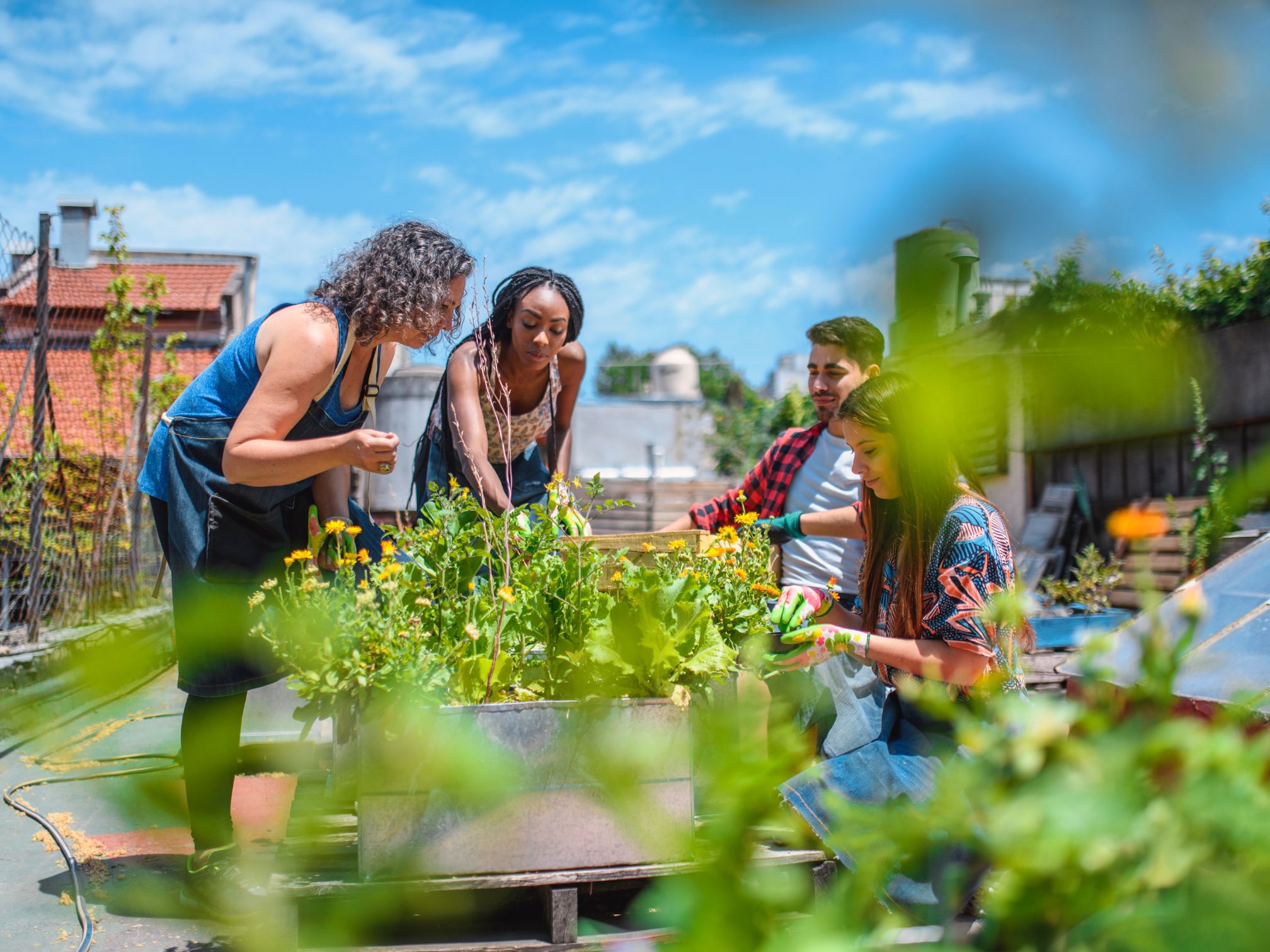
To a degree, this can tie into what was said above, but this deserves it’s own angle too. So, volunteering can be incredibly fulfilling – and people with disabilities have so much to offer. It can be helping at an animal shelter, working at a charity shop, or getting involved in a community garden, many organisations are more than happy to welcome volunteers with disabilities and will gladly make any needed accommodations.
Besides, volunteering isn’t just about giving back; it’s a chance to meet others, learn new skills, and feel connected to something meaningful. And it can be tailored to their strengths and interests, making it flexible and rewarding.


