
*This is a collaborative post.
Running a small business comes with plenty of challenges, from managing cash flow to keeping customers satisfied. But as the world grows more environmentally conscious, there’s an increasingly important task every business owner should consider: sustainability. Embracing eco-friendly practices not only reduces your environmental footprint but also enhances your reputation, cuts long-term costs, and positions your brand as forward-thinking and responsible.
Whether you run a retail shop, an office-based consultancy, or a small-scale manufacturing operation, there are practical, manageable steps you can take to create a more sustainable enterprise. In this article, we’ll explore actionable tips that small businesses can adopt to help protect the planet – while still turning a profit.
1. Start with a Sustainability Audit
Before making changes, it’s wise to understand where your business currently stands. A sustainability audit reviews your energy consumption, water use, waste management, supply chain practices, and more.
Even simple observations can reveal wasteful habits – perhaps office lights are left on overnight, or paper usage is excessive. From there, you can begin to implement greener alternatives. For more formal evaluations, consider hiring an environmental consultant or checking resources offered by local councils or business support organisations.
2. Upgrade to Energy-Efficient Systems
Energy consumption is one of the biggest contributors to a business’s carbon footprint. Upgrading outdated systems can deliver immediate environmental and financial benefits.
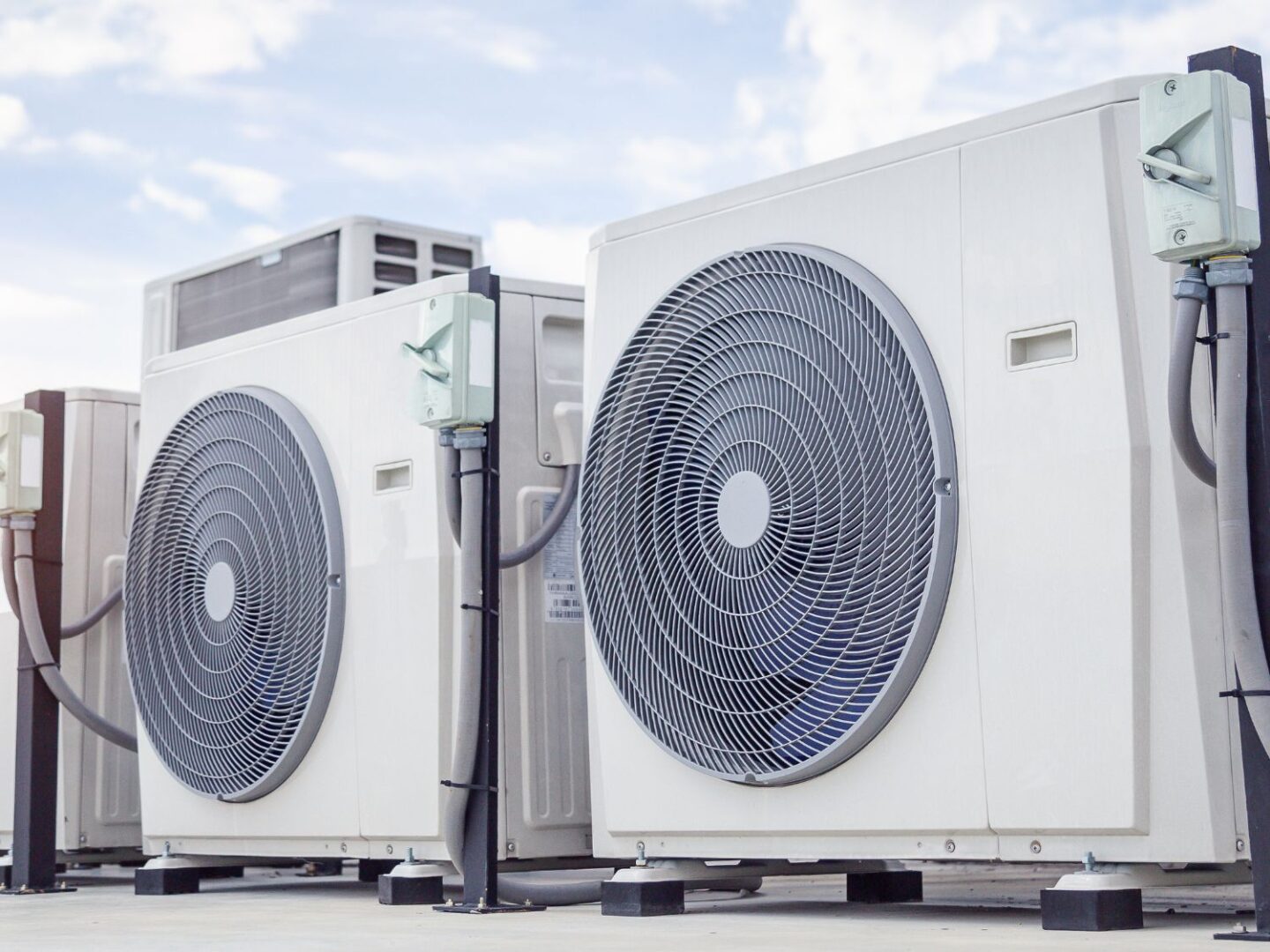
Take, for example, your heating, ventilation, and cooling system. Traditional HVAC units can be inefficient and energy-intensive. Consider switching to a VRV air conditioning system (Variable Refrigerant Volume). These systems are highly energy-efficient, adjusting the refrigerant flow based on the precise requirements of each area within your premises. This zonal control ensures that you’re not wasting energy heating or cooling empty spaces.
Regular air conditioning repair and maintenance is equally important. An inefficient or faulty system consumes more energy and can leak harmful refrigerants. Scheduling regular servicing ensures your system operates at peak performance and prevents unnecessary environmental damage.
3. Switch to Renewable Energy Sources
While upgrading equipment is helpful, switching to renewable energy takes your commitment one step further. Depending on your location and budget, options include installing solar panels, subscribing to a green energy tariff, or investing in a renewable energy co-operative.
While the upfront investment can seem daunting, many small businesses find the long-term savings and sustainability credentials worth the effort. Moreover, government grants or tax incentives may be available to ease the cost of green transitions.

4. Choose Sustainable Suppliers
Your business doesn’t operate in isolation – the choices your suppliers make affect your sustainability too. Audit your supply chain to ensure that partners share your values and follow responsible environmental practices.
Choose local suppliers to reduce transportation emissions and carbon footprint. Ask questions about materials used, sourcing practices, and packaging. It may not always be possible to go 100% eco-friendly overnight, but every shift in the right direction counts.
5. Reduce Waste and Reuse Where Possible
Office bins often reveal a startling truth: we throw away far more than we should. From packaging waste to paper documents, there are countless opportunities to reduce and reuse.
Here’s how you can start:
- Move to digital systems to reduce paper usage.
- Set up proper recycling stations for paper, plastic, glass, and e-waste.
- Reuse packaging materials where appropriate.
- Encourage employees to use reusable water bottles and cups instead of disposables.
You might even consider a waste audit to identify where most of your waste comes from and find better solutions.

6. Encourage a Green Workplace Culture
Creating a culture of sustainability in the workplace helps embed eco-conscious habits in your daily operations. Educate your staff on the importance of green practices and involve them in the decision-making process.
You could:
- Host “Green Challenges” where employees are rewarded for reducing waste or cycling to work.
- Provide training sessions on sustainable practices.
- Encourage remote working to reduce travel emissions where practical.
When your team is engaged in sustainability goals, they’re more likely to suggest innovative ideas and remain committed to long-term environmental practices.
7. Go Paperless Where Possible
Many small businesses are still heavily reliant on paper, whether for invoicing, record-keeping or communication. Switching to digital systems not only reduces waste but also increases efficiency.
Use cloud-based services for file storage, accounting software for invoicing, and email over post wherever feasible. This shift not only helps the environment but can reduce office supply costs significantly.

8. Green Your Deliveries and Transport
If your business relies on deliveries or site visits, consider ways to make your transport greener:
- Switch to electric or hybrid vehicles.
- Plan delivery routes more efficiently to reduce mileage.
- Use courier services that offer carbon-neutral delivery.
- Encourage staff to carpool, cycle, or use public transport.
Transport is a significant contributor to greenhouse gas emissions, so even small adjustments can make a big difference over time.
9. Choose Eco-Friendly Products and Packaging
From cleaning supplies to office stationery, aim to choose products that are recyclable, biodegradable, or made from recycled materials. The same applies to any packaging you use for products.
Customers are increasingly drawn to businesses that avoid plastic and opt for sustainable alternatives like paper, cardboard, or compostable materials. These efforts not only reduce environmental impact but also strengthen your brand image in a conscious consumer market.
10. Measure Your Progress and Celebrate Milestones
Sustainability isn’t a one-off task; it’s an ongoing journey. Set clear goals, measure your progress, and celebrate milestones to keep momentum going.
For example, you might aim to reduce electricity consumption by 20% in a year, switch to 80% recyclable packaging, or train all staff in green practices within six months. Keep track of these achievements and share them with your customers and stakeholders. Transparency and accountability enhance credibility and can inspire others to follow suit.
Final Thoughts
Building a sustainable small business isn’t about perfection – it’s about progress. By making conscious choices every day, you not only help protect the environment but also future-proof your business in an increasingly eco-aware world.
Start small. Conduct an energy audit, maintain your systems – including regular air conditioning repair – and consider transitioning to efficient solutions like a VRV air conditioning system. Look at your waste, energy sources, transport, and suppliers. Involve your team, track your progress, and never underestimate the ripple effect your green actions can have.
With every sustainable step, you’re not just running a business – you’re building a legacy.



Some amazing tips for people running small businesses. Thanks for the article.