*This is a collaborative post.
Personal hygiene. Common knowledge for most, but not so common for toddlers. As a parent, there are so many things that you do for your child such as making their beds, washing their clothes and giving them showers. All whilst trying to ensure your child grows up to be the best version of themselves. Hygiene is one of the many things that your child needs to be taught from a young age. This is because it is at the root of overall health. Good hygiene means good health. By teaching your child to take care of their body, they will be practicing acts that help them stay away from unwanted illnesses. Here is some advice from this nursery in London on teaching your toddler about personal hygiene.
Start from a young age
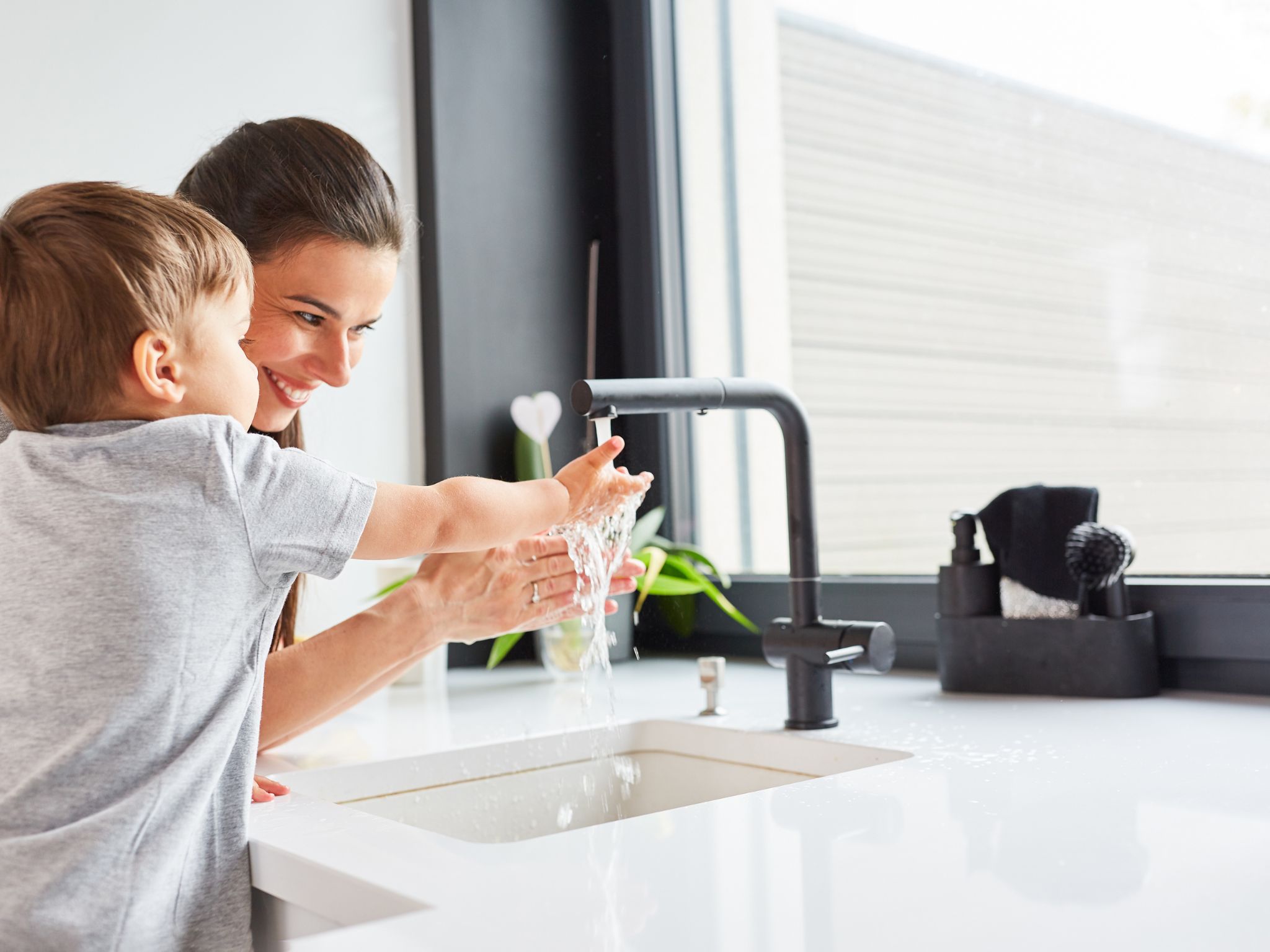
You don’t have to wait to teach your child about personal hygiene. Even if you are still showering your child and brushing their teeth for them, you can start by teaching your little one about the importance of it all. Discuss why they should wash their hands regularly and brush their teeth twice a day. As an example, you can mention the recent pandemic and what was done to try and avoid the virus spreading. By the time your child turns 3, try and get them to practice alone as it will give them a sense of independence and prepare them for when they are older.
Practice What You Preach
As a parent, it is important to model proper hygiene and personal care. Your toddler will be more likely to imitate your actions than take your word for it.
If you want your child to learn the importance of hand-washing and brushing their teeth, make sure you are also doing so yourself
Consistency Is Key
When it comes to teaching your toddler about personal hygiene, consistency is key. Establishing a consistent routine and using positive reinforcement are the best strategies for ensuring that your child understands the importance of hygiene. Stick to the same routine each day, making sure that all adults in the household also follow the same rules and routine.
Keep it going
Personal hygiene isn’t something that is taught one time. There are so many ways that it can be practiced. For example, once your child has learnt how to brush their teeth properly, you can show them how to floss and use mouthwash. As your child grows older and reaches puberty, you will have to discuss how to manage new body hair and odour. Remember to normalise these changes as they are all a part of growing up.