Obstacles are an inevitable part of life that we all need to learn how to overcome. Parents can help their children become more resilient to these challenges, using a variety of tactics and life skills that can boost their motivation and help them feel more optimistic, as explored below by a primary school in Bristol.
Don’t Shy Away from Failure
Failure isn’t something that children should be scared of, so don’t be hard on your child when things don’t go to plan. Instead, comfort them and remind them that there’s always next time. Let them know that even adults fail from time to time, and we can’t become good at something without being bad at the beginning. This should help your child approach failure with determination and a positive attitude, rather than letting it consume them and drag them down.
Promote Independence
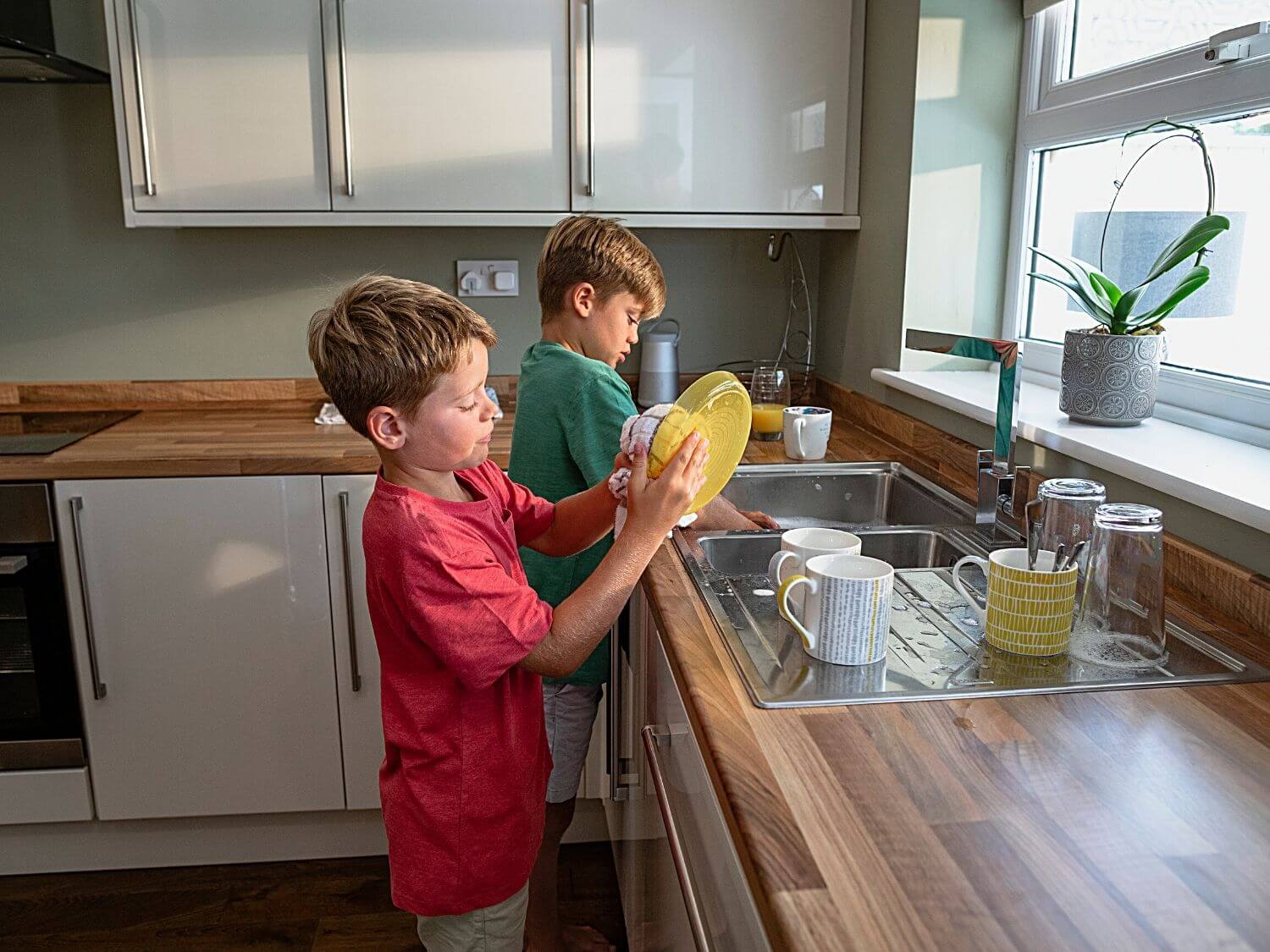
Your child will never learn how to solve problems or overcome obstacles on their own if you’re always there to save the day. With that said, try and give them some space to investigate and explore without you. Encourage them to figure things out on their own by equipping them with right tools, rather than doing it for them.
Encourage New Experiences
Unless your child is exposed to new challenges in different environments, they will never learn how to overcome obstacles. With that said, encourage them to try new things on a regular basis, and perhaps even explore different hobbies. The more obstacles they are able to overcome in different situations, the less afraid they will be of dealing with problems in the future, because they will know what they are capable of.
Be a Good Role Model
If you’re the sort of person that gives up easily or complains a lot, your child will adopt the same attitude. With that said, try and be optimistic when it comes to your own problems. Rather than complaining about an upcoming presentation at work and talking about how nervous you are, try and say things like “I’m sure I’ll do great as I’ve tried really hard and spent a lot of time preparing”. If it doesn’t go well, say things like “Practise makes perfect so I’m sure I’ll do better next time”.
*This is a collaborative post.