*This is a collaborative post.
On the surface, most gardens look bright and inviting, but you can’t really tell your garden is healthy unless you yourself are a gardener and you know what you’re looking for. At first glance, gardens can have everything under the sun right with them. They could look green, they could be flowering and you may even notice wildlife. But you need to make sure that you are proving yourself correct with your assumptions.
Many gardens have the appearance of being healthy but some gardens also Need lawn pest control from time to time. Pest control isn’t just something for the inside of the house, but for the outside too. If you have pests in your grass or in your plants, you could end up with a lot of dead plants, because keeping up with those pests is not easy. So let’s take a look at the signs that your garden is really healthy.
Healthy Foliage
Check the colour of the foliage and check how it’s growing. The foliage, growth and colour will tell you straight away whether or not your garden is healthy. It can tell you whether it’s suffering from any dehydration or even overwatering, whether you’ve put on too much fertilizer or not enough, and whether there is not enough sun or even too much sun. It’s a mix of variables, and checking what your plants look like is important. Find some pictures of what they should look like and then cross match.
Good Drainage
Ensure water is soaking in immediately. A great sign that your garden is healthy is that if you fill a full glass of water and pour it onto the soil, it takes less than 5 seconds to soak in. If it takes longer than that, there’s a problem with the soil, and if that happens, it means that there is a problem with the overall health of the garden itself. Soil should be able to soak up that amount of water, and it shouldn’t struggle to do so. If it is struggling, then when the temperature starts to climb in the summer months, you’re going to find it difficult to keep your garden hydrated.
Diverse Plant Life
A diverse range of plant species in your garden is a sign of a healthy ecosystem. Different plants attract different pollinators and beneficial insects, creating a balanced and resilient environment. Aim for a mix of flower plants, herbs, vegetables, and native plants to support a wide variety of wildlife.
Wildlife
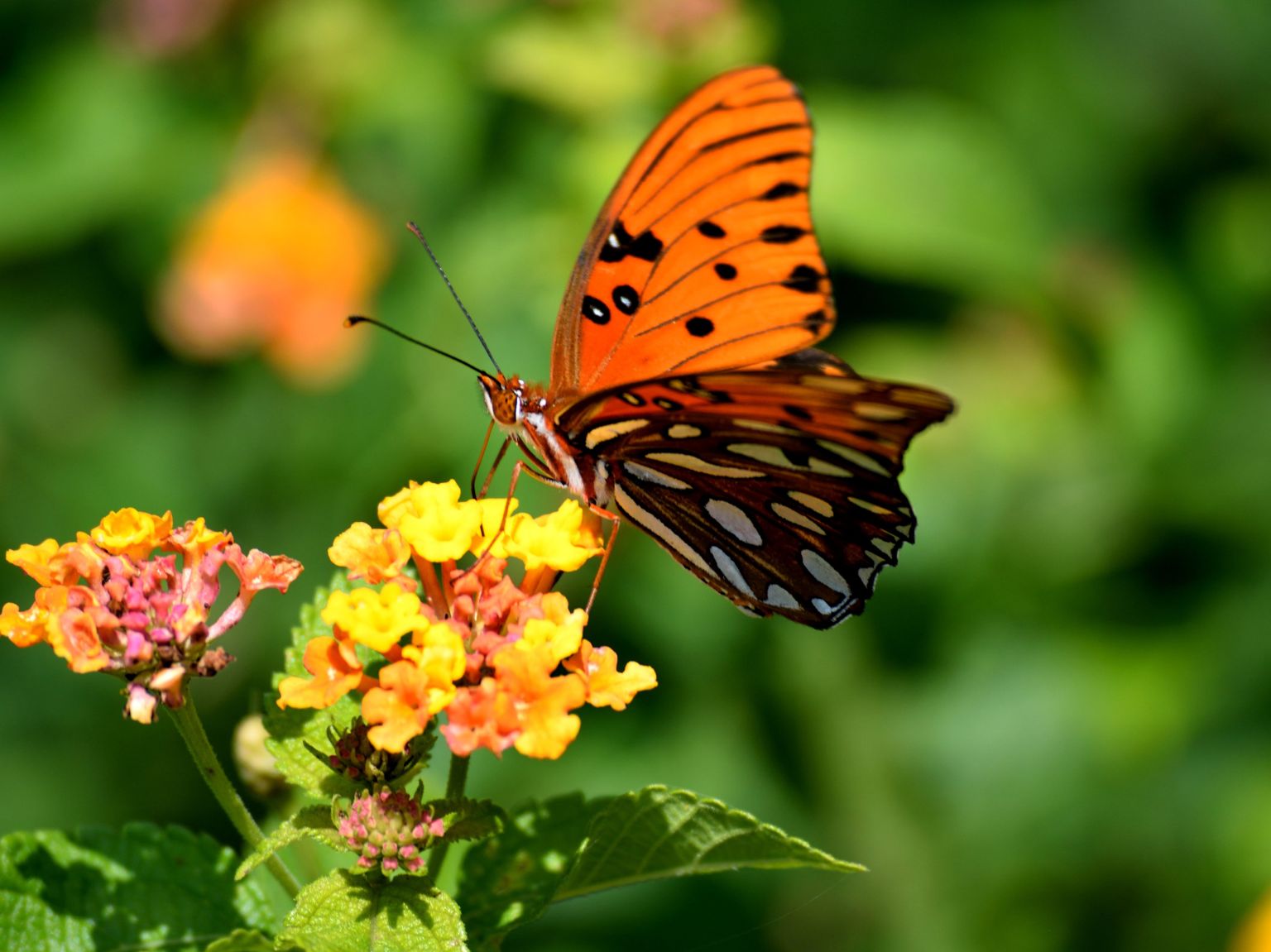
The presence of wildlife in your garden is a telltale sign of its overall health and vitality. When birds, insects, amphibians, and other creatures make themselves at home in your garden, it indicates that the ecosystem you’ve created is thriving.
Also, attracting wildlife to your garden plays a crucial role in pollination and pest control.

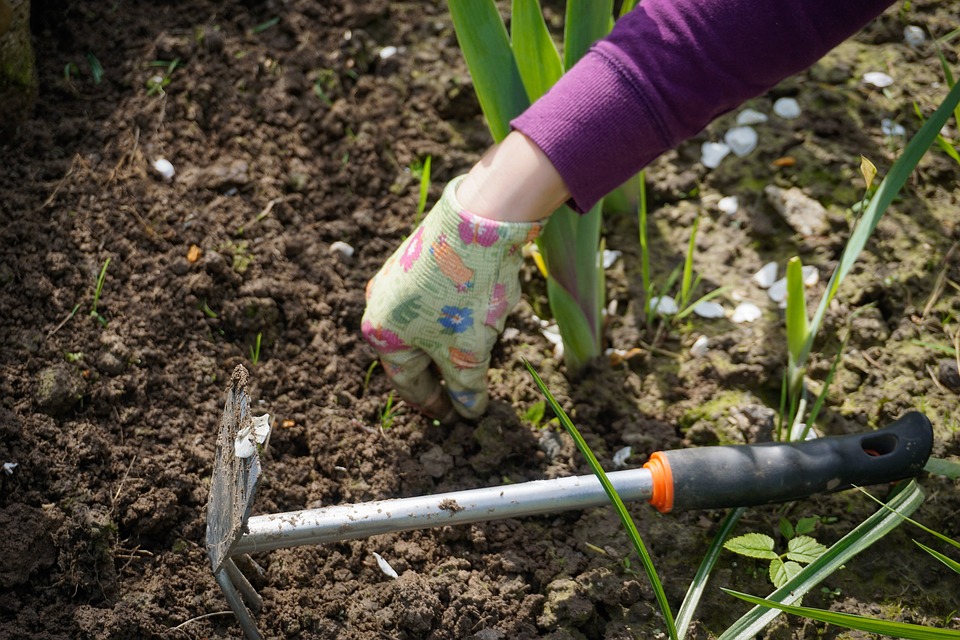




My garden doesn’t look very pristine, but it does seem to attract quite a lot of bees over the summer. The number of weeds in my lawn is what I continually struggle with!