*This is a collaborative post.
Small gardens are a common feature of many homes in Sevenoaks and across Kent. When outdoor space is limited, it can feel challenging to create an area that feels spacious and functional without spending a fortune. The compact nature of these gardens often leads homeowners to believe that significant improvements require substantial investment.
Creating the illusion of space in a small garden relies on smart design principles rather than expensive renovations. Simple techniques like strategic planting, thoughtful zoning, and proper maintenance can transform even the tiniest outdoor area into a seemingly larger retreat. Ideas that expand small spaces on a budget are explored well in practical small-garden guides, which highlight how layering, colour choices, and adaptable layouts can create more visual depth. These approaches are often used in British gardens where varying weather conditions demand versatile spaces.
The roof of your garden structures plays a surprisingly important role in this transformation. Well-designed garden buildings with properly maintained roofs can serve as focal points while maximising usable space. From shed roofs to pergolas and summerhouses, these elements contribute significantly to the overall feel of your garden while providing practical benefits throughout the changing seasons.
Smart vertical gardening solutions for tight spaces
Making the best use of vertical space allows even the smallest gardens in Sevenoaks to thrive. Instead of overcrowding borders, vertical gardening frees up ground space while adding new layers of greenery. Local conditions often make walls or sheds ideal starting points for this method.
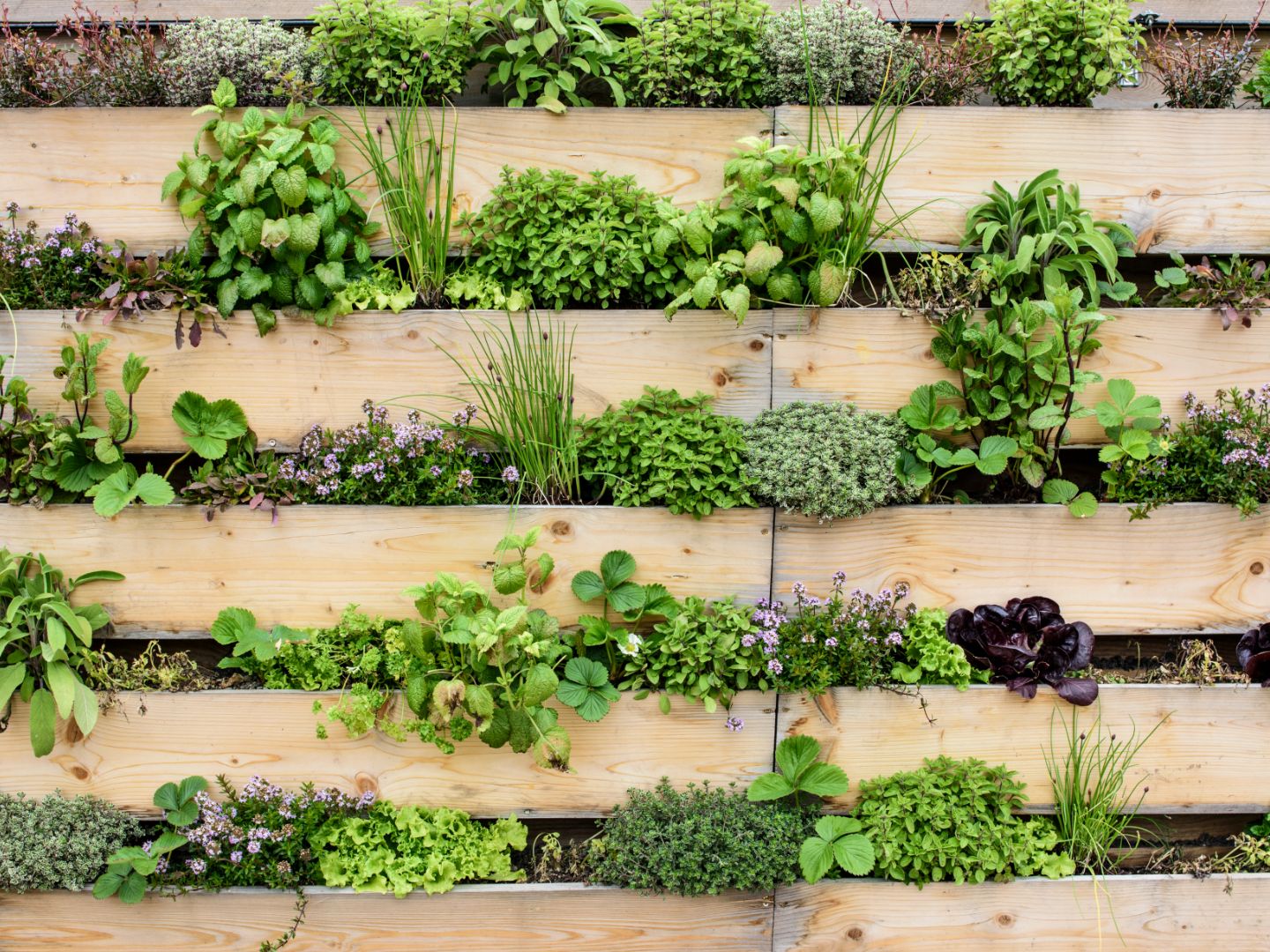
Building a vertical garden costs less with upcycled materials. Wooden pallets can be sanded and attached upright for instant structure. Pots or grow bags fill spaces between slats, supporting everything from strawberries to trailing lobelia. Consulting with Sevenoaks roof repair experts ensures proper fixing to prevent damage during storms.
Tall, stackable planters use floor space efficiently. Herbs and salad greens grow well in tiered arrangements beside doors or in narrow side returns. Stepladders with pots on alternating steps bring colour upward, allowing families to grow plants even where paving dominates.
Common mistakes include overloading structures or planting too densely. Every few months, thin out overcrowded plants and check fixings. Adding a waterproof covering behind vertical beds helps prevent moisture damage to fences or brickwork.
Upcycled materials for vertical structures
Transforming everyday items into vertical gardens is both eco-friendly and affordable. Many upcycled garden projects show how simple materials can be repurposed creatively in practical DIY ideas for small spaces.
Fixing several rows at staggered heights can create a living wall effect. Each season, clean the guttering and replace compost to keep the display fresh and help prevent water build-up or algae. Regular checks help ensure fixings remain secure in windy weather.
Shoe organisers with pockets make instant plant holders on sunny walls. Plastic bottles and wooden ladders offer more creative display options. Each project needs proper support and weatherproofing for longevity without extra cost.
Sevenoaks and surrounding Kent areas have excellent sources for free materials. Local social media groups often list free pallets, while building sites sometimes discard usable guttering pieces. Garden centres occasionally give away plastic pots for vertical displays.
Optical illusions to expand garden perception
Creating a sense of space doesn’t always require physical changes. Clever visual tricks can make small gardens appear larger. Mirrors reflect plants and sky to double the perceived size of the garden. Water features and tall plants draw the eye upward or outward, adding depth to small garden design.
Light colours on fences and walls can help push boundaries outward visually. Painting boundary structures in pale blues, soft greens, or classic whites creates an impression of more distance. Dark colours tend to make spaces feel smaller and more enclosed.
Path design influences how spacious a garden feels. Straight paths emphasise limited length, while diagonal pathways trick the eye into seeing more space, similar to other techniques that help a small yard seem bigger. Curved paths that disappear behind planting create mystery and suggest the garden continues beyond what’s visible.
Thoughtful placement of focal points changes how the entire space feels. A deep-blue glazed pot with agapanthus at the far end of a garden draws the eye beyond the immediate patio. In one Kent terrace, a shallow water bowl near a path bend reflected greenery, making the walkway feel longer.
Mirror placement for maximum impact
Mirrors give the impression of more space when placed thoughtfully. Outdoor settings need materials that withstand weather changes, so acrylic is often considered safer than glass in family gardens. Framing mirrors with salvaged window frames adds character and helps them blend into the garden.
Position mirrors so they capture the best views of your garden and create depth without reflecting seating areas. Angling mirrors slightly downward helps prevent glare while creating depth. Placing mirrors behind plants helps them blend naturally.
Safety matters in family gardens. Position mirrors at adult eye level to prevent children running into them. For wildlife protection, add small decorative elements across mirror surfaces to help birds recognise them as solid objects.
DIY mirror projects are simple to create. Charity shops often have mirrors or frames that can be weatherproofed with outdoor varnish. Mirror tiles secured to fence panels create reflective patches that expand the garden visually on a budget.

Multi-functional garden features that save space
When space is limited, every garden element can serve multiple purposes. Storage benches provide seating while hiding tools, toys, or cushions. Foldable tables and chairs can be tucked away when not in use. These dual-purpose items are useful in Sevenoaks gardens where weather changes demand flexibility.
Family gardens can benefit from combining play and growing areas. A wooden climbing frame may double as support for runner beans or sweet peas. Sand pits with removable covers can transform into herb gardens when not in use. These combinations help maximise limited space while engaging children with gardening.
Edible landscaping offers beauty and practicality. Fruit trees provide shade, structure, and food, while ornamental vegetables like rainbow chard add colour to borders. In Sevenoaks gardens, these productive plants help make the most of every square metre.
Proper roof drainage systems on garden structures can collect water. Rain chains and water butts attached to shed roofs gather water for garden use while adding visual interest. Ideas for multi-functional garden layouts help integrate these features naturally into the space while you consult with local roofing professionals for safe installation.
Child-friendly multi-purpose designs
Creating garden spaces for the whole family requires thoughtful planning, and ideas from child-friendly garden design offer real inspiration for areas that keep children involved. Play equipment with planting opportunities keeps children engaged while making the most of growing space. A wooden playhouse can feature window boxes or hanging baskets, teaching children about plants.
Choose materials designed for family use, such as raised beds with smooth edges and non-toxic plants. Recycled rubber chippings provide soft landing zones under climbing equipment and suppress weeds.
Seasonal adaptability helps keep family spaces useful year-round. A summer splash zone can become a covered sand pit in autumn, then a winter wildlife area with feeders. This flexibility helps ensure the garden remains engaging through changing seasons and children’s interests.
Maintenance considerations matter for busy families. Low-maintenance materials like composite decking can reduce upkeep time. Self-watering containers help plants survive forgotten watering, while tough perennials can withstand occasional trampling during play.
Clever planting strategies for small gardens
Plant selection makes a big difference in small gardens. Compact varieties and dwarf cultivars provide visual impact without overwhelming limited space. Vertical growers like clematis add height without width, while plants with interest over several seasons, such as amelanchier, can perform well in restricted areas.
Arranging plants in layers with different heights adds depth. Tall grasses or slender shrubs form the backdrop, mid-height perennials fill the middle ground, and low-growing ground covers complete the picture. This layering technique can create the illusion of space while fitting more plants.
Container gardening offers flexibility in small gardens. Pots can be moved to follow the sun or rearranged for seasonal displays. They allow gardeners to grow plants that might struggle in existing soil. In Sevenoaks gardens, containers can extend the growing season for tender plants.
Seasonal rotation helps maintain interest throughout the year. Spring bulbs give way to summer annuals, followed by autumn colour and winter structure. This sequence helps ensure the garden always has focal points, maximising enjoyment from limited space across all seasons.
Container gardening on a budget
Repurposing household items as planters saves money while adding character, and ideas from creative upcycled planters show how everyday objects can take on a new life outdoors. Old sinks, wooden crates, or even worn-out footwear can become quirky containers with proper drainage holes. These upcycled planters can become conversation pieces while reducing waste.
Cost-efficient potting mix can be created by combining garden compost with purchased compost and sharp sand. This homemade mix provides good drainage at a lower cost. Adding water-retaining crystals can reduce watering frequency, saving time and water.
Choosing the right plants for containers helps ensure long-lasting displays. Drought-tolerant varieties like lavender, sedum, and geraniums often thrive with minimal watering. Perennials can offer better results than annuals, returning year after year with minimal replacement costs.
Watering and feeding routines help keep container plants healthy without excessive cost. Collecting rainwater provides free irrigation, while homemade compost tea offers natural nutrition. Mulching container surfaces reduces evaporation and extends time between watering sessions.
Small gardens become far more enjoyable when each element is used with intention. Simple design choices, smart planting, and flexible features turn limited space into something that feels open and welcoming. When homeowners apply practical strategies that fit their lifestyle, even the smallest garden can offer colour, structure, and calm throughout the year. A thoughtful approach ensures the space stays beautiful, functional, and rewarding in every season.





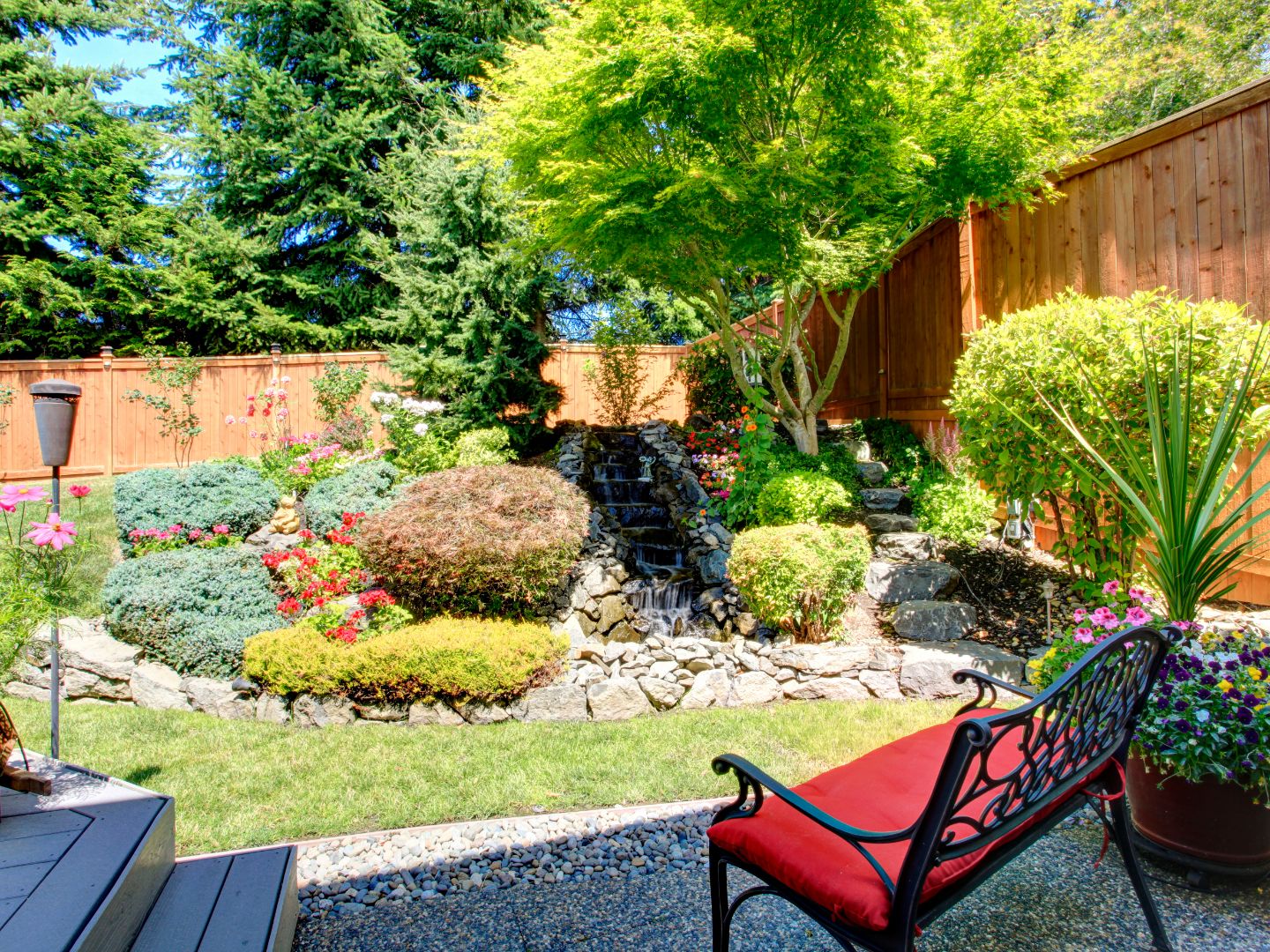
I love the look of the garden in the top photo. Looks like it would be really relaxing to sit in!
Great ideas for all over the country where small gardens feature
thanks for sharing