Kids Spending Too Much Time Online? Blue Light Glasses Could Be The Answer
If you have young children, you are probably aware of their tendency to gravitate towards electronic devices. These ‘digital natives’ as they are now known are growing up in a very different world than their parents did, and for the most part, this is a good thing. Technology enables, empowers and connects us all, and if the next generation already have a head start in the technological landscape, then this is a positive thing for future generations.
But technological revolutions always have their pros and cons, and it appears that in this instance, the downside of this new technology comes in the form of upset to our health and wellbeing.
We can however manage these risks with some simple and effective measures, for example limiting screen time, encouraging verbal communication and wearing blue light glasses to minimise blue light exposure. 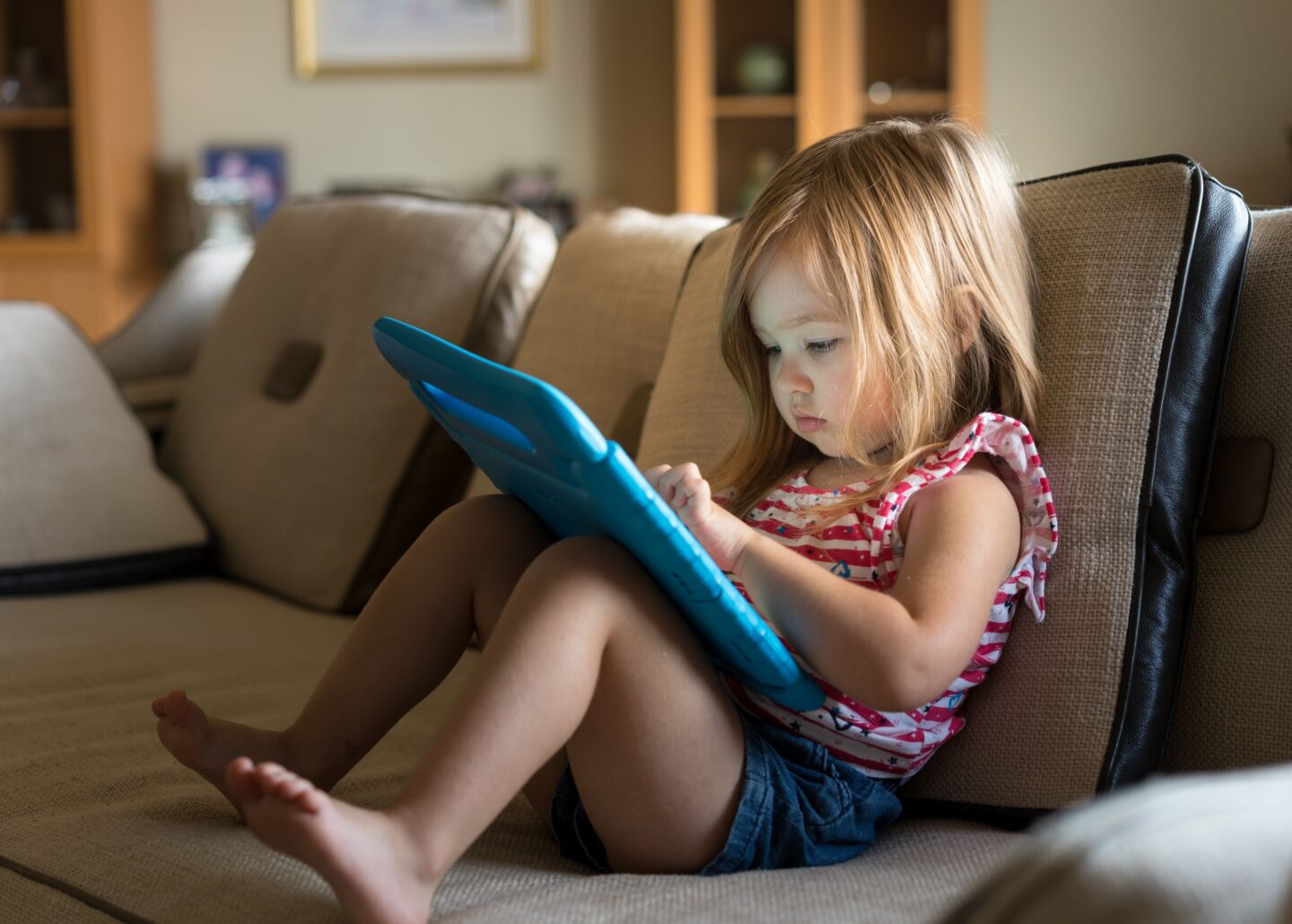
Blue Light Glasses For Kids – Are They Necessary?
Like many things in life, computers and devices are tools and it very much depends on how you use them.
Anyone can abuse these devices, and kids are no exception, so first and foremost it is up to parents to establish limits and boundaries when using computer devices.
Screen time of around 5 hours a day is very common nowadays, but this could be too much for children and young adults, so try to limit it to under 3 hours a day and even less for kids under eight. Eyeglass lenses can help curb some of the side effects of extended screen time, such as disrupted sleep and eye fatigue.
These smaller blue light glasses for kids are perfect for reducing the effects of blue light emitted by screens.
Screen Glasses Can Help Melatonin Production
Exposure to blue light, especially in the evenings, has been proven to disrupt the body’s natural melatonin production, which is the hormone that lulls us to sleep. Melatonin is produced in correlation with natural light, so as the sun goes down, our body produces melatonin which helps us drift off to sleep.
The problem is, many people like to use their phone or tablet in the evening, and kids are no exception. These habits have a measurable effect on the amount of melatonin we produce, which means we tend to take longer to fall asleep and our quality of sleep is affected.
By shielding our eyes from the high energy blue light that our devices emit, we can help restore this natural melatonin cycle and improve our sleep quality as a result.
Limit Screen Time And Keep Them Engaged
Thankfully tech giants like Apple, Google and Samsung have decided to make digital wellbeing one of their key focus points in the last few years.
People are starting to realise that they are spending too much time in front of devices and they are starting to notice the effects that they are having.
This brilliant article shows you how you can turn on screen time notifications and limits on iPhones, tablets, computers, PlayStations and more.
This way you can have defined limits in place for your kids without a war breaking out every time you want them to get off their devices.
Another great piece of advice is to bring everyone together on one of these devices, or at least a few family members. There are plenty of games and interactive learning platforms that can completely change how you look at your child’s screen time. Remember that watching TV also counts as screen time, so make sure to factor that in when you are thinking about your family’s use of devices!
To round it off with what we said previously, these devices are tools at the end of the day and should be used as such.
If you don’t keep control of them, they will certainly control you, and that goes for people of all ages.