*This is a collaborative guest post.
The aftermath of an accident can be a tremendously trying period. If someone close to you is trying to readjust to life after suffering a severe injury or trauma, then you might feel a powerful need to lend a hand. Fortunately, there are many ways to do exactly this. Let’s take a look at what you might do to help.
Understanding the Emotional Impact of Trauma
Everyone responds to accidents differently. What triggers shock and anxiety in one person might be brushed aside by another. The severity of the accident will also determine the emotional response it produces. In extreme cases, a victim might suffer from long-term post-traumatic stress disorder.
What can be really helpful is a supportive person who is prepared to be patient and empathetic throughout the process of recovery. If you understand what the possible effects of trauma might be, and you’re able to identify common symptoms like worry and shame, then you might be in a better position to help the sufferer cope.
Practical Support: Assisting with Daily Activities
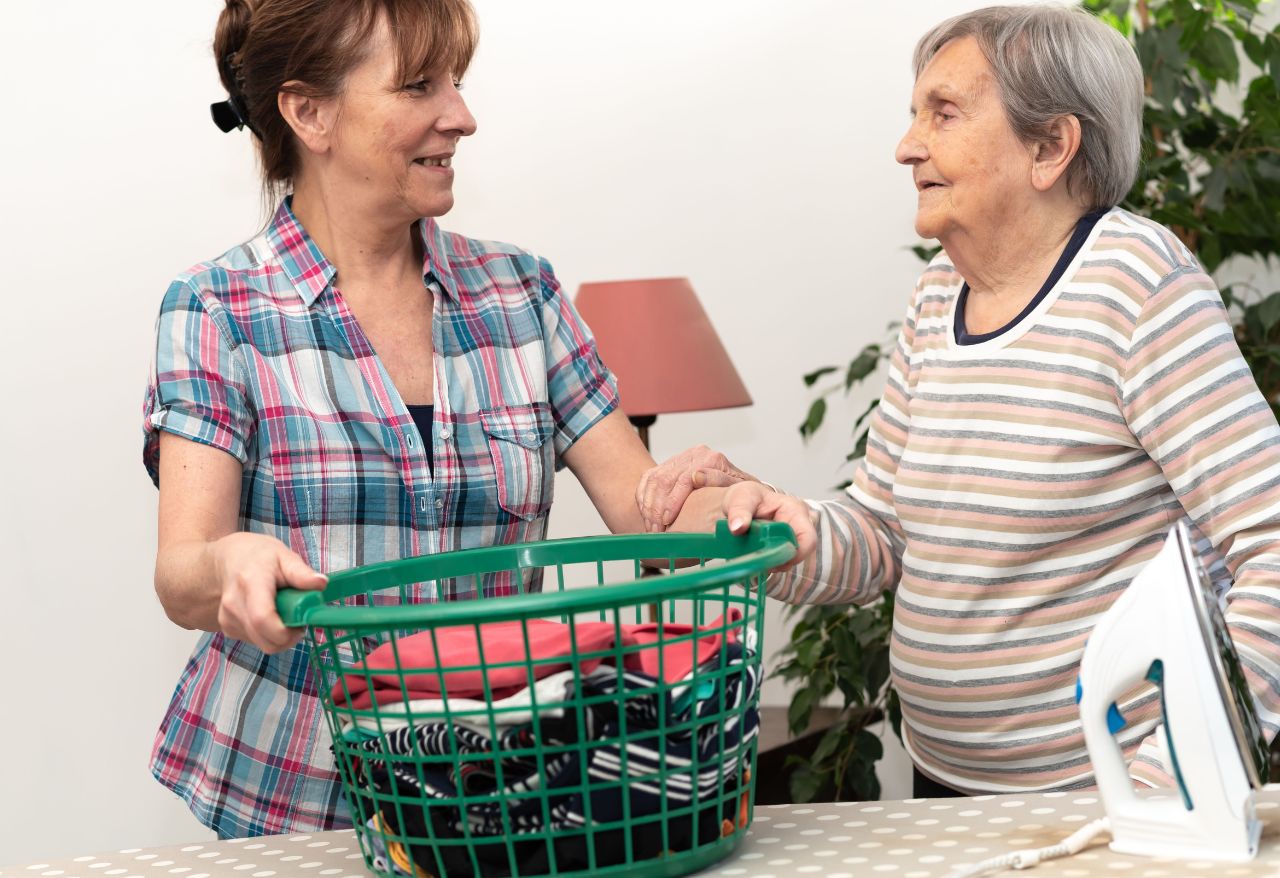
In the aftermath of an accident, day-to-day tasks that were once considered trivial might suddenly begin to pose a challenge. Unloading a dishwasher, chopping an onion, or even turning on the television might become difficult. This is where the assistance of a trusted loved one might be appreciated. You might take care of the shopping, or the washing, or any number of other chores.
However, it’s vital that you don’t undermine the sufferer’s sense of independence. If a person draws a sense of self-sufficiency and self-worth from going shopping, then the exercise might be worthwhile, even if it’s difficult. If you help out too much, in other words, you might be doing more harm than good.
Encouraging Professional Help and Legal Guidance
In some cases, the victim of an accident might be entitled to seek compensation through the legal system. If the person in question is suffering financial repercussions, perhaps because of an inability to work, then pursuing legal action through a compensation claim might be especially worthwhile. Solicitors specialising in accident claims might be able to lend a hand.
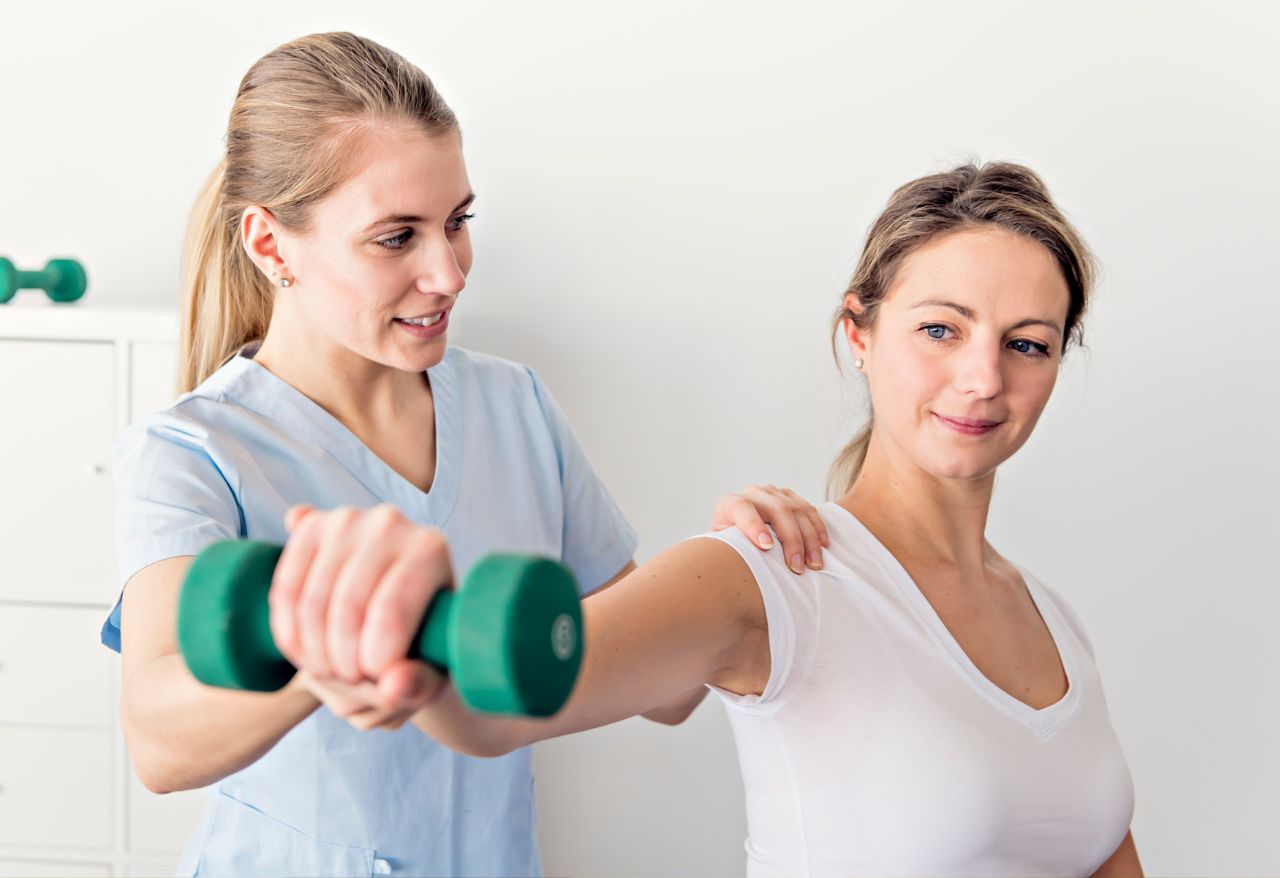
Medical support might also be invaluable. This might take the form of physiotherapy, counselling, or many other varieties of specialist care.
Maintaining Open Communication
Throughout the process of recovery, or readjustment, you’ll want to be sure that your interventions are welcome, and that they reflect the wishes of your loved one. Make sure that the person you’re caring for feels safe in raising concerns and questions, and do your utmost to create a safe space to raise those concerns.
Taking Care of Yourself as a Supporter
Working as a carer can impose a significant psychological and emotional burden. Put simply, it’s hard work. Even if you’re sharing the duties with other close members of the family, friends, and professionals, it’s still vital that you set healthy boundaries, and that you practice self-care. After all, if you can’t look after yourself, you may struggle to care for those around you.