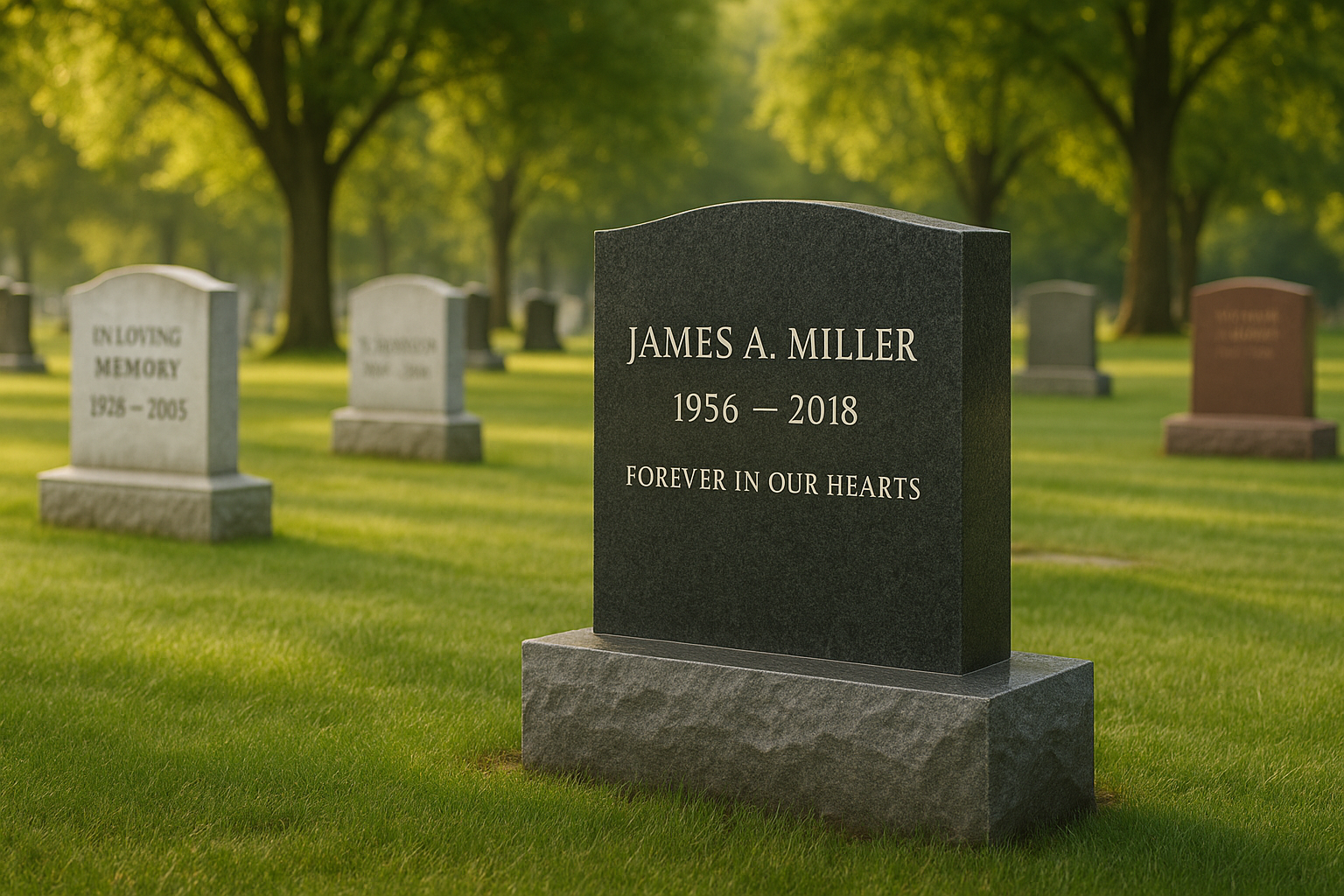
Choosing a headstone is never just a design decision. It’s about finding something that lasts, something that carries the story of a life and the love that remains after loss. The material you choose decides how it will age, how it will look years from now, and how it will hold the name of someone you never want to forget.
Granite, marble, bronze, and even natural fieldstone all tell a different story. Some last through generations, while others weather and soften over time. Each carries its own beauty and its own care needs. So understanding these materials helps you make a choice that feels right and stands strong.
Besides, a headstone is one of the few physical things left after a funeral. It holds presence when memories start to fade. That’s what makes this decision worth your time and thought.
Why Material Choice Matters More Than You Think
The right headstone material does more than mark a grave. It shapes how a loved one is remembered and how that memory stands against time. Some materials hold their polish through harsh winters and strong sunlight, while others wear down softly, giving the stone a more natural look as the years pass.
The material also affects how much care the family will need to give later. A granite monument may need only a quick rinse, while marble can require gentle cleaning to preserve its details. Knowing this before you buy helps avoid unexpected upkeep or repairs.
Families often look for headstones at affordable prices, but cost should never be the only factor. A well-chosen material means fewer repairs, fewer replacements, and a memorial that still feels right decades later. It’s about balance, durability, appearance, and meaning all working together.
Most Common Headstone Materials (Pros & Cons)
Each material tells its own story. Some families choose based on how long it lasts, others because of how it feels to the touch, or how it fits a loved one’s personality. Knowing the strengths and limits of each material helps you make a choice that endures both weather and time, and if you are buying headstones for cemeteries by Memorialas.com, whatever your choice, you will get something special.
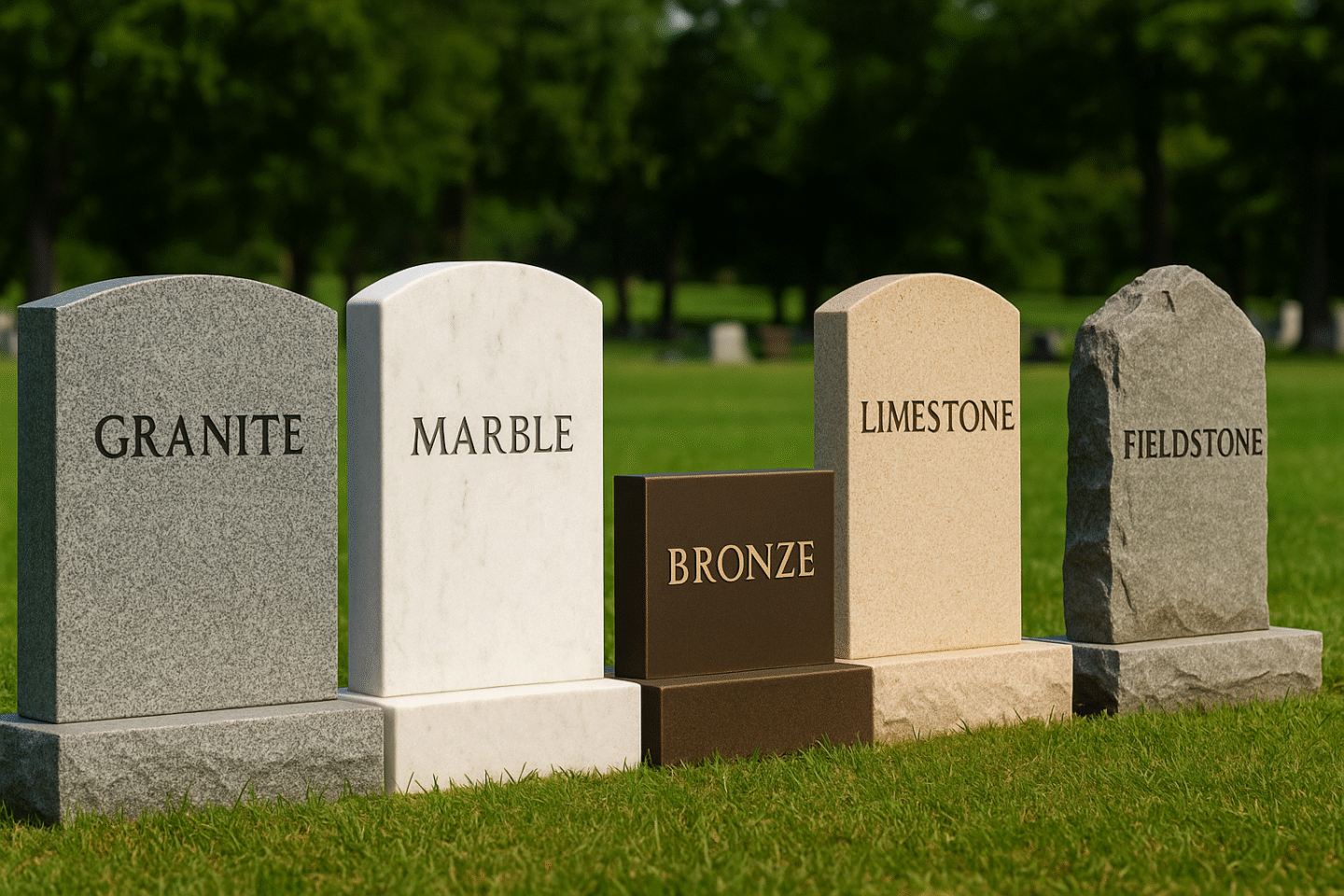
Granite – The Timeless Favorite
Granite is known for its strength and longevity. It resists rain, heat, and freezing temperatures, which makes it one of the most dependable materials for outdoor memorials.
It also offers color options, from soft grays to deep blacks and reds, allowing families to match tone and texture with personal taste. Its polish stays bright for decades, and engravings remain sharp with minimal upkeep.
The only drawback is cost. High-quality granite can be more expensive upfront, but its durability often saves money in the long run.
Marble – Elegant but Weather-Sensitive
Marble carries a quiet beauty that stands out in older cemeteries. It feels smooth, and the way the light falls on it adds a quiet sense of grace and calm. But it’s also more sensitive to the weather. Rain and acid in the air can slowly wear away fine details, making names and dates harder to read over time.
In mild climates, marble can last beautifully for generations, but in areas with heavy rain or harsh winters, it may lose clarity faster. Families who value appearance over permanence still choose it for its elegance and tradition.
Bronze – Low Maintenance and Refined
Bronze offers a warm, timeless look that needs very little care. It’s resistant to corrosion and often used in combination with granite bases for added stability.
Over time, it develops a natural patina. A soft brown or green finish that adds character without damage.
Bronze is slightly more costly than granite, but the trade-off is longevity and ease of maintenance. It’s ideal for those who want a headstone that holds its detail with almost no upkeep.
Limestone and Sandstone – Soft, Traditional, and Regional
These stones appear in older churchyards and Southern or European cemeteries. They’re easy to carve and have a natural, earthy look that feels grounded and local. However, their softness means they weather more quickly than granite or bronze.
In dry climates, they can last for decades, but in areas with moisture or frost, they may erode faster. People who value tradition often choose them for their authenticity and gentle texture.
Fieldstone – Rustic and Natural Look
Fieldstone is the oldest form of memorial material, once used by families who shaped what they found nearby. It feels raw and real, blending into its surroundings rather than standing apart.
No two fieldstones are alike. Each one has its own shape and grain. The downside is that it’s less precise for detailed inscriptions, but it offers unmatched character.
Families who want something natural and deeply personal often choose fieldstone because it feels honest, strong, and without needing to be perfect.
Factors to Consider Before Choosing
A headstone is meant to last for decades, so the choice of material should fit both the environment and your long-term needs. The right decision will keep the memorial strong and meaningful while reducing maintenance over time.
Climate and Weather Conditions
Different materials respond to weather in different ways. Granite holds up in nearly every climate and stays bright even in strong sunlight. Marble and limestone are softer and can wear down faster when exposed to rain or freezing temperatures.
In dry regions, softer stones often last longer, but in humid or coastal areas, they can erode more quickly. It helps to walk through the cemetery and look at which stones have aged well in that location. The ones that stand firm often show what works best in that region.
Cemetery Rules and Material Restrictions
Every cemetery has its own guidelines for size, color, and material. Some allow only certain types of stone to maintain a consistent look. Others have limits on finishes or shapes for easier upkeep.
Before making a decision, it is best to check with the cemetery office and ask about what is permitted. Understanding those rules early will save both time and cost later.
Budget and Long-Term Costs
Each material carries a different balance between price and durability. Granite or bronze may cost more at first, but require little upkeep in the years ahead. Softer stones may seem affordable at first, but can fade or crack and need repair.
Choosing a material that fits your budget and lasts through time is a form of respect. It ensures the headstone remains steady long after the service ends.
Personalizing the Material to Match the Tribute
A headstone should represent the person it honors. The material, texture, and color can all speak quietly about who they were and what they valued.
Granite offers bold contrast and clean lines that fit a strong and timeless personality. Marble feels softer and suits someone remembered for grace or gentleness. Bronze carries warmth and dignity that speaks of respect and permanence.
The right finish can make a difference, too. A high polish brings a sense of formality, while a matte surface feels calm and grounded.
In some families, the choice of color carries meaning. Deep black shows strength and tradition, while lighter tones like gray or pink often express peace and affection.
Symbols, lettering, and design details can further connect the stone to the person’s story. The goal is not perfection but presence. When chosen with care, the material becomes more than stone. It becomes a voice that endures.
Final Thoughts
Choosing a headstone for a natural burial is one of the last ways to show love in a lasting form. The decision takes time because it carries both emotion and meaning. What you choose today will stand for many years, often beyond your lifetime.
Each material tells its own story. Some speak through strength, others through softness or color. What matters most is that it feels true to the person being remembered. That truth will outlast every season and every change in the landscape.
A well-chosen headstone becomes a quiet part of family history. It stands as both a marker and a memory, holding space for love that does not fade. And when chosen with care, it gives peace to those who visit and comfort to those who remember.





It’s never too early to think about dying, get planning.
This is an interesting one, lots of people do talk about funerals but they generally don’t discuss their headstone. I’m definitely going to have a discussion with my loved ones while I’m healthy. Things to consider …. my mum got a headstone for my dad and, due to the number of wobbly headstones in the churchyard, she wanted one that wouldn’t go wobbly so went for a flat one close to the floor. Unfortunately she hadn’t given much thought to how much cleaning this needed, because it was so close to the ground when the grass was cut in the churchyard it got covered in grass cuttings so much so that you couldn’t see it on some occasions and although we all visited regularly, the type of gravestone she chose I think she regretted later on.
The other thing to consider is the engraving/writing, the letters on my gran and grandad’s gravestone lost all their colour, I don’t know if this is commonplace, but it cost quite a bit to get the lettering re-done so this is something I need to consider too.
Thanks for the article.