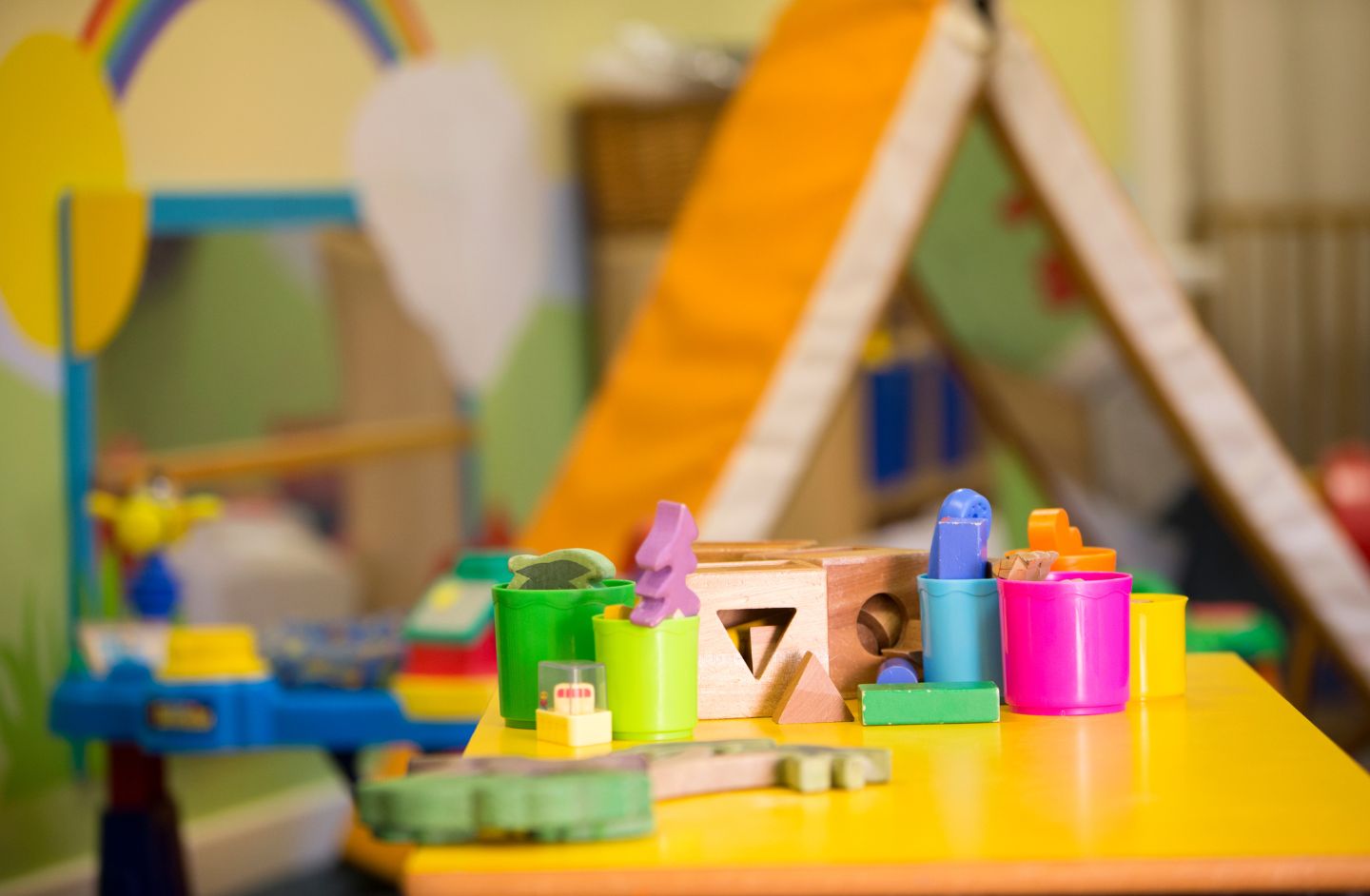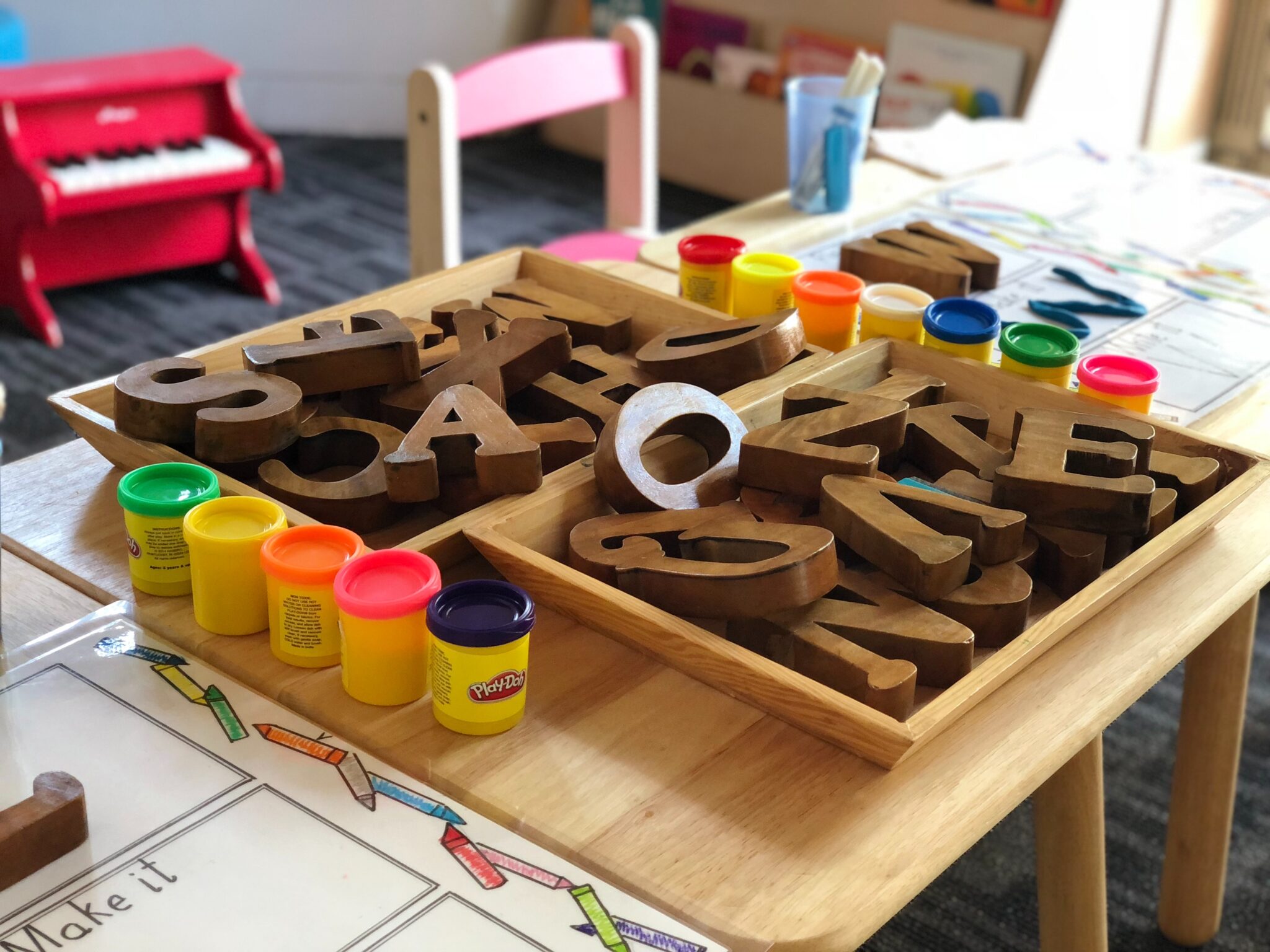
It is truly amazing to watch a child explore the environment and discover new things. As adults, we often take this learning curve for granted. However, we need to remember that children who are very young (between zero and five years) are veritable “sponges” when it comes to absorbing information. The only potential problem is that monitoring how a child learns can be difficult. A great deal of information needs to be recorded if we hope to better appreciate how a child is progressing. Thankfully, there are a handful of tried-and-tested techniques that will come in very handy along the way. Let’s see what the professionals have to say.
 Photo by Jelleke Vanooteghem on Unsplash
Time Sampling
Time sampling is essentially defined as performing observations in controlled bursts. These “windows” can last anywhere between ten and 15 minutes. The reason for such short intervals is that it tends to be much easier to record and analyse certain nuances that a child may exhibit. The settings themselves can be varied. Classrooms, specific learning tasks and interacting with other children are some common examples.
Observation Tracking
In many ways, observation sampling is a slight extension of time sampling. In this case, a childcare professional will look at the choices that a child makes within certain settings. These choices are noted so that they can be examined at a later time. Observation tracking is one of the most traditional approaches and thanks to modern technology such as the bundles offered at www.tinytracker.co.uk recording accurate and insightful data has never been easier.
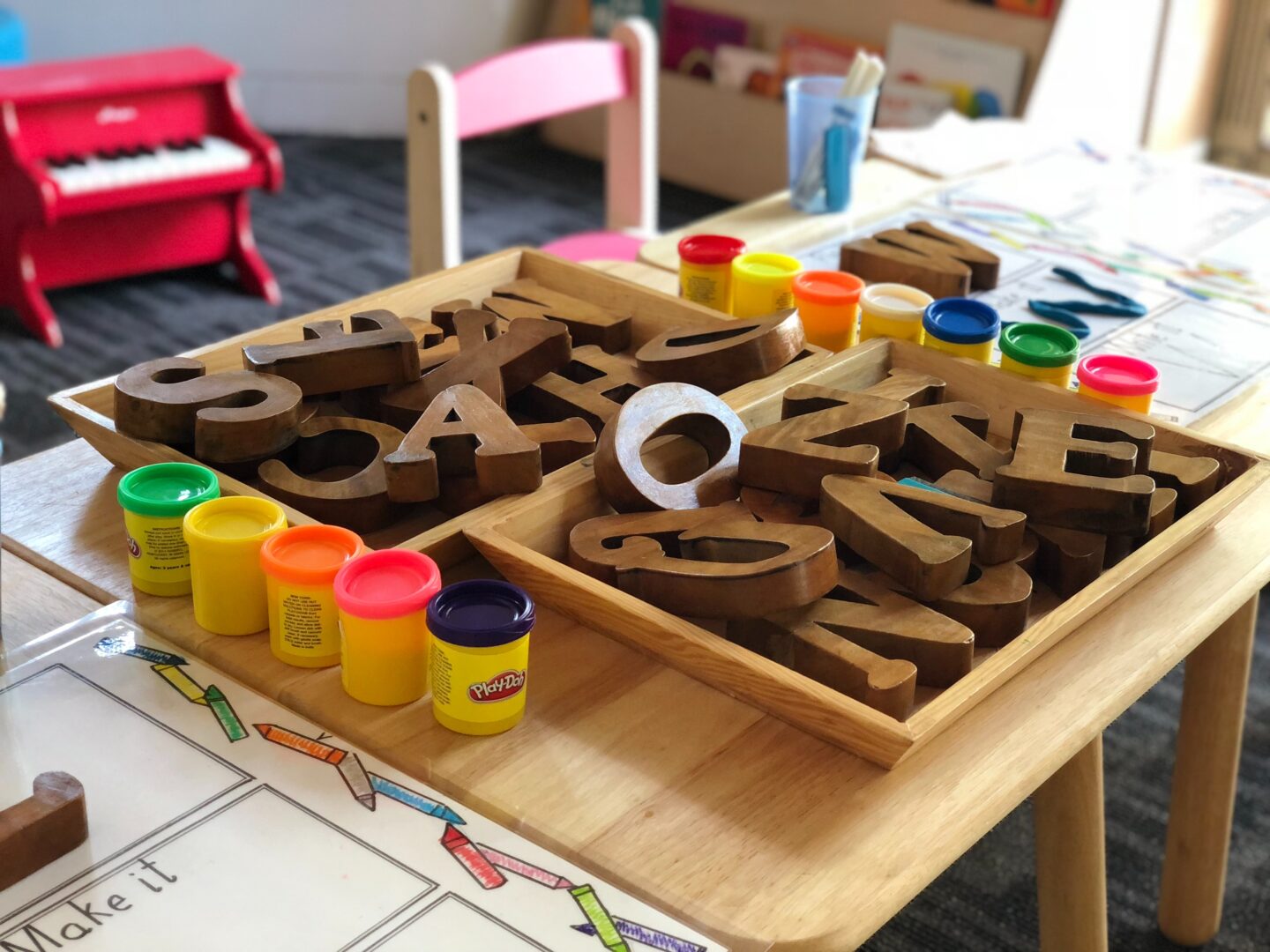 Photo by Gautam Arora on Unsplash
Knowledge Checklists
What is a knowledge checklist? Knowledge checklists are predetermined forms that help to better determine the intelligence and aptitude of a certain child. These skills can then be compared to standard learning criteria. The main point here is that knowledge checklists are great ways to discover if a child is learning at the right pace in relation to his or her peers. Other details such as who was present when the activity was taking place and how the child interacted with any other individuals can also be included within such checklists.
Narrative Stories
Narrative stories can be viewed as long-term compilations of the techniques mentioned above. In other words, the childcare professional will create a narrative which describes how the child has been developing over a set period of time. This provides professionals and parents alike with a more accurate picture of how the child is developing. Also, let’s point out that narrative stories can be referred back to at a later date if problems arise in the future. They are also excellent ways to better appreciate how a child learns within a specific context (such as the number of peers that may be present or the environment in question).
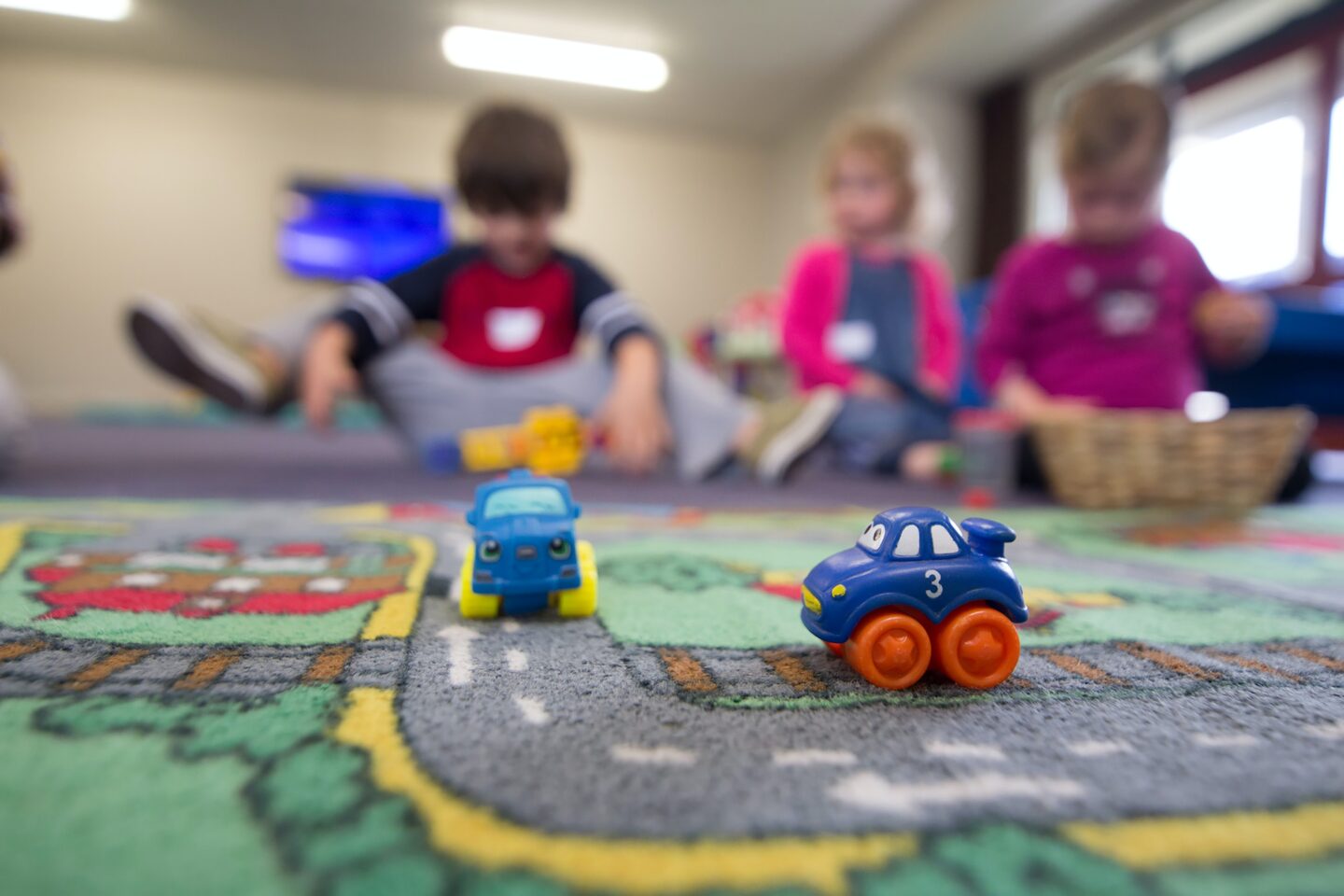 Photo by BBC Creative on Unsplash
All of these techniques have been developed over decades and they continue to evolve as we learn more about how children interact with the world around them. Either way, they are great tools to ensure that a child develops in a healthy manner.
*This is a collaborative post.