
*This is a collaborative post.
One of the biggest life events anyone can go through is buying a home. Many people see it as an investment in their life security, and it’s a step everyone works toward and dreams about. That doesn’t mean everyone knows what to do when they’re doing it.
In fact, it can be an overwhelming process, especially when the financial side of everything is thought about. When you’re buying a house for the first time, it’s natural to be a bit confused about what steps you have to take.
While some of these can vary, many of them are common. They’ll be steps you have to go through. It’s worth diving into some of the more notable of these. Knowing about them ahead of time can be the process easier and less stressful when you’re actually doing it.
Factors to Consider Before Buying a Home
Before diving into the steps you need to take when buying a home, it’s worth looking at the various factors you should consider. You’ll be making a large decision, after all, so it’s always worth making sure you’re making the best one for you.
It’ll also help you narrow down your options and help you get the best deal possible for you. Some of the more notable of these are:
- The Type of Home You Want – There are various types of homes you can try to buy, ranging from apartments to duplexes and much more. Figure out which type of house you’d prefer to live in. Keep your long-term preferences and needs in mind when you’re doing this. If you’re planning on having kids, for example, pick a bigger home than you’d need right now. You’ll narrow down your options quite a bit.
- Where You Want to Live – There’s no point in buying a home somewhere you don’t want to live. Before you go house hunting, spend some time figuring out where you’d prefer to live. Even having a rough geographic area can be more than enough to help you narrow down your options somewhat.
- The Mortgages You Qualify For – One of the more notable, and obvious, considerations when you’re buying a home is the mortgage. You’ll likely need to get one so you can actually buy the home you want. That means looking into how much of a mortgage you actually qualify for. Take the time to figure this out before you start house hunting. Make sure you can afford to pay it back, too.
You can use tools like a money saving mortgage calculator to get a better understanding of your affordability and potential repayments.
Buying a home involves more than a few considerations, and all of these can affect your decision. Once you’re going through the process, however, it’s worth making sure you take the right steps going forward.
While some steps can vary from place to place, and even person to person, others are practically mandatory. Six of these stand out, as they’re vital to buying a home. It’s worth diving into each of them.
Buying a Home: 6 Steps to Take
1. Get a Deposit Together
Unless you have the money together to pay for the entire home outright, you’ll eventually need to get a mortgage to buy a home. Lenders aren’t going to fund 100% of your purchase for you, however. You’ll need to get a deposit together before you can be eligible for a mortgage.
Spend as much time as you can putting together this deposit. The larger your deposit is, the better off you’ll be long-term. It’ll mean you can get a mortgage for a lower amount, saving you a decent bit of money long-term.
2. Narrow Down Your Home Options
There are countless homes for sale out there, and you’re not going to be interested in all of them. Then there’s the fact you wouldn’t have the time to see all of them, and you wouldn’t be able to afford more than a few of them. That’s why it’s always worth taking the time to narrow down your options.
There are more than a few ways you can do this. Cost is one of the more obvious, but you can always focus on the type of house you want, geographic area, and much more. Take the time you need to narrow them down before you start house hunting.
3. Find the Right Financing For You
Even with a decent deposit together, you’ll likely need to get a mortgage or some other kind of financing together. This isn’t a bad thing, as long as you know what you’re doing with it. Make sure you find the right financing for your needs before you agree to anything.
There are multiple types of mortgage you could be eligible for, like smallholding mortgages. Take the time to figure out which ones you’re eligible for, and shop around at different lenders. You could end up finding a much better deal, helping to save you more money on interest than you would’ve thought.
4. Negotiate & Make an Offer
Once you’ve found a home you’re considering buying, you’ll eventually need to make an offer on it. It’s one of the first steps in the process of buying a home. Before you do, however, it’s worth trying to negotiate with the sellers. They could be more open to negotiating than you would’ve thought.
While they mightn’t come down too much, every little helps considering how much you could be paying for the house. Once you’ve finally settled on the price with the seller, it’s time to make an offer. There could be a few formalities to take care of after this, but you should be good to go once you’ve had an offer accepted.
5. Get a Home Inspection
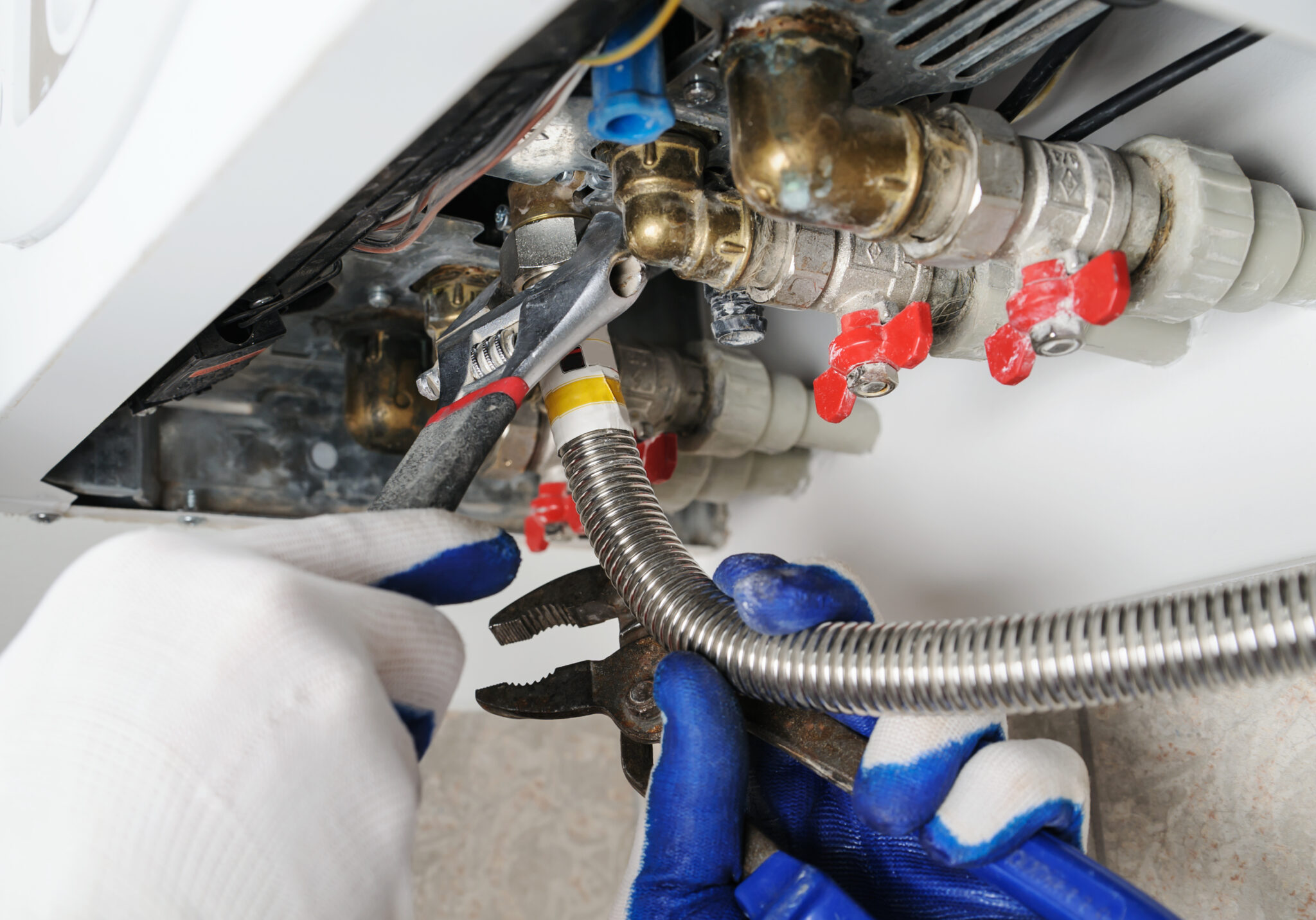
While you would’ve taken a look through a house before agreeing to buy a home, it doesn’t mean you would’ve spotted all of the potential issues with the property. In fact, there could be problems hiding underneath the surface you mightn’t be aware of. It’s worth making sure you know about these.
By getting a home inspection from a qualified professional, you’ll find out about any potential problems with the house you’re considering. There’s no reason to skip this. At worst, you’ll find out about problems that could convince you to find a different house to buy.
6. Close On the Purchase
Once you’ve gotten an inspection done on the home, you’ll have a few options ahead of you. The first is to close the deal, especially when the home inspection says everything’s above board. If that’s the case, everything should go relatively smoothly, and you shouldn’t have anything to worry about.
The next option is to walk away from the deal if the inspection highlights issues that weren’t disclosed. These could be problems you don’t want to deal with, so you’d rather find something else. Alternatively, you can use these issues to try to negotiate the price even more.
Buying a Home: Wrapping Up
One of the biggest steps you can ever take in life is buying a home. It’s something everyone dreams about, and they’ll work for years to do it. When you finally get a chance at it, it’s natural to feel a little overwhelmed by it.
It’ll feel like there are countless steps to take, and some of them might even be a little confusing. That doesn’t have to mean you’ve to settle for being stressed and overwhelmed.
By knowing what you need to do ahead of time, there’ll be a lot less to worry about. With a little bit of research and some preparation, you’ll know exactly what to do, helping to make the entire process easier.



Sensible advice, as always. Anyone buying for the first time should read everything they can and seek advice from their solicitor, conveyancer or surveyor on any part of the process they’re unsure about.
Invaluable for first time buyers – so important to do your homework first