
*This is a collaborative post.
Thinking about giving your home a little extra space and a serious value boost? A property extension might be just what you need! Whether you’re dreaming of a bigger kitchen, an extra bedroom, or even a stylish home office, the right extension can transform your living space while increasing your home’s market appeal. Here are just a few types of property extensions to consider.
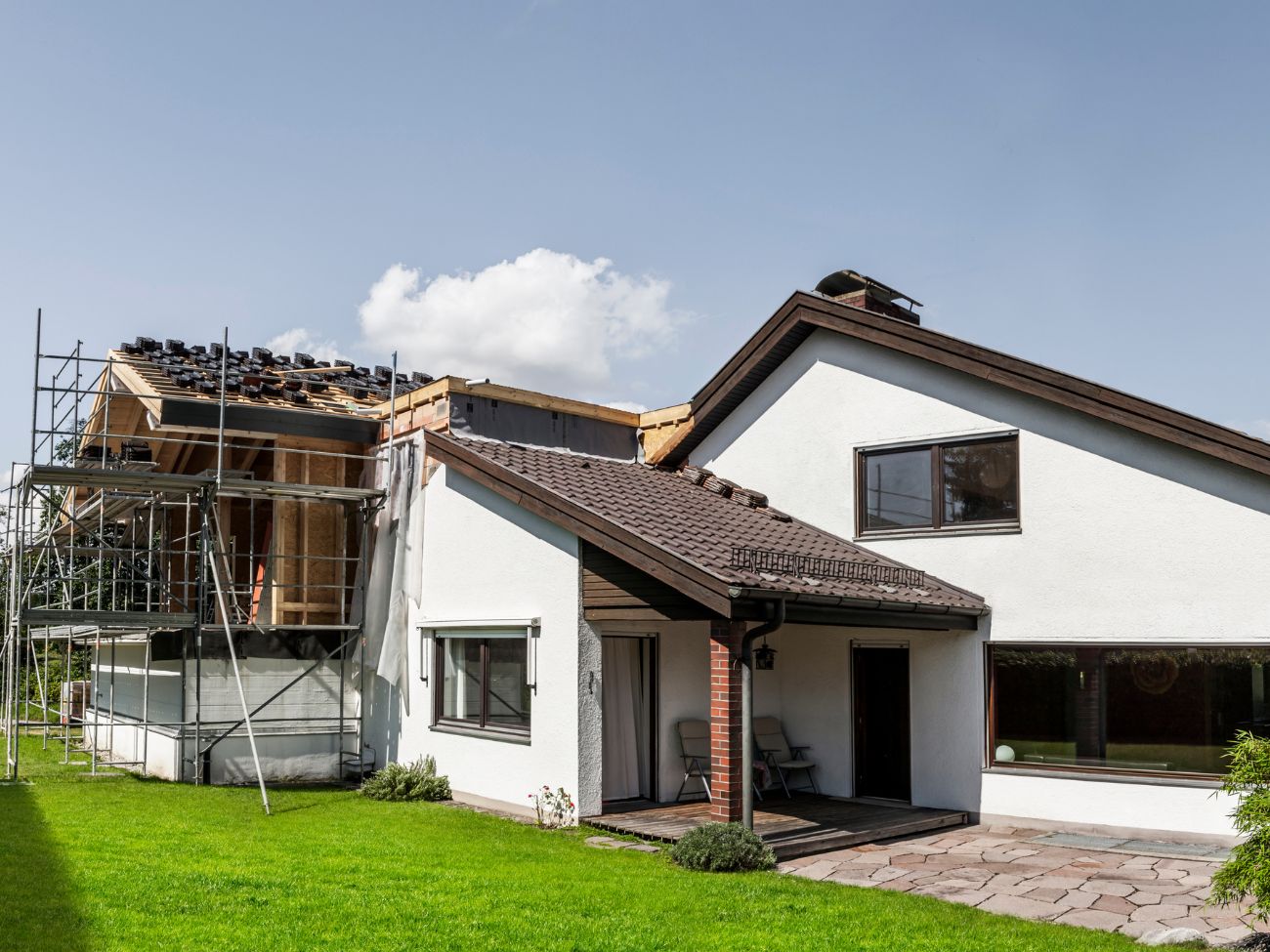
Single storey
A single storey extension consists of additional living space that is only on one level, the ground floor. It is attached to the property most commonly at the rear but can also be on the side of the house.
More often than not, this type of extension is used to expand the kitchen or dining area. A single storey extension can be a great link between the inside of your home and your outside space, whether that is your garden, terrace or patio.
Double storey
Double storey extensions extend from the ground floor up to the first floor, offering more living space and an increase in the property’s square meterage. In most cases, planning permission will be needed for a double storey extension but it can add significantly to the value of your home.
The return on investment for a double storey extension is good, as the cost per square metre can actually be less than a single storey extension.
Side return
Side return extensions are also called side infills and make use of any space at the side of the property. They are common on terraced houses that have been extended to the rear but which have an alley or path to the side. This is often dead space and frequently used to store items such as bins or bicycles.
Many people use a side return to enlarge their kitchen or to create a kitchen diner. This can enhance the appeal of the house to prospective buyers particularly those with large families.
Wraparound
A wraparound extension is a combination of a side return and rear extension. In essence, this forms an L shape around one side and the back of the house. It’s also commonly used on terraced homes but can be used on more modern buildings, if there is enough space.
As with double storey extensions, a wraparound extension will also need planning permission in most cases. However, it can significantly improve the value of your property and its saleability.
Above garage
If you don’t want to sacrifice any of your garden, you could create extra living space by extending over a garage. This is known as an over structure extension and can greatly increase the square meterage of your first floor. The extra room can be used as an additional bedroom, home office or extra bathroom.
Structural calculations will be needed to ensure that the garage can take the extra weight of the extension. You also need to ensure there is sufficient insulation added to the floor as the void above a garage can be cold.
Loft conversions
Loft conversions are the perfect solution to the need for more space when you don’t want to give up any of your garden for a ground floor extension. Most of us only use our loft to store items that we use occasionally, like suitcases or Christmas decorations.
By converting the space, the loft can be put to good use by creating a bedroom often with an ensuite or adding a home office.
Adding extra living space, in particular another bedroom, will increase the value of your property. It will also improve your quality of life by giving your family extra room.






I would love to extend my kitchen, but it is at the front of the house, and there is not enough room to extend it sideways
A lot of people down my street are having extensions being built,they says it’s easier to do this than moving at the moment
Next door had theirs extended to add a utility extra bedroom and shower room
Downside is their garden is small
Has added a lot of value