
*This is a collaborative post.
Playing game cards or collectible card games can improve hand-eye coordination. Grabbing, holding, and laying down cards improves motor skills that can help those with disabilities or older people.
Playing card games require concentration, memory, and strategic thinking skills. It also encourages socialization and reduces stress levels. It’s no wonder that so many people enjoy playing these games.
Here are just a few fab benefits of playing card games.
Improves memory and concentration
Many people play card games as a fun way to pass the time, but there are hidden benefits that come along with this pastime. These games with card game sleeves can help improve memory and concentration skills. One of the main reasons for this is that playing card games requires players to concentrate and focus on the game and their opponents. This helps to improve observational skills, which in turn leads to better decision-making and increased cognitive function. Moreover, it also helps to boost memory recall, especially in the short term. This is because players have to remember a series of events in the game, such as who won, what cards were played, and their general comments and actions. This is why games like concentration and solitaire boost memory, concentration, and aid mental health.
After all, a great card game has been as primed to your level of challenge as a well-designed game of Sudoku, demanding that kind of active attention that increases your focus and calculative capability.
Encourages socialization
Playing card games is a fun way to socialize with family and friends. It encourages communication between players and promotes healthy competition. It also helps develop social skills, such as cooperation and negotiation. It can even help shy children become more confident in interacting with others.
Playing card games requires fine motor skills like grabbing and holding cards and the ability to lay down cards in an organized manner. These skills are essential for a child’s development and can be used in rehabilitative therapies.
Many trading card game franchises have created communities where playing and accumulating different cards is seen as part of someone’s social identity. This phenomenon is especially noticeable in the case of collectible card games, such as Magic: The Gathering or Yu-Gi-Oh! Large groups of people with custom decks and strategies often play these games.
Reduces stress
Card games require patience and attention. They also boost observational skills, enhance memory and improve concentration. In addition, they help fight depression and loneliness among older adults by encouraging socialization. They also stimulate the production of BDNF, which is responsible for the growth of new brain cells.
While playing cards, players are focused on the rules of the game, their hands, and the actions of other players. This leaves no space for their daily worries, helping them de-stress.
If your elderly loved ones are stressed or have developed chronic conditions, they can benefit greatly from playing card games. Although it won’t cure their medical disease, it will give them a pleasant distraction that can make them forget their problems for a little while. This is particularly important for those who are prone to mental disorders. Their interaction with others while playing card games may also boost their self-esteem and improve their overall quality of life.
Encourages creativity
Playing a card game involves a lot of creative thinking. Players must adjust their strategy to each round based on the cards they have in hand, and they also need to analyze their opponent’s actions. This type of strategic thinking is beneficial in many areas of life, including problem-solving and decision-making.
Some card games are based around a story, such as Magic: The Gathering, and they allow players to become part of another world where they can cast spells and battle dragons. This is a great way to distract kids from unpleasant events or thoughts and can be delightful.
Other card games encourage socialization by allowing players to trade cards and attend tournaments with friends. These social interactions can help them break out of their shells and learn new things. In addition, playing card games with other people can help them improve their communication skills.





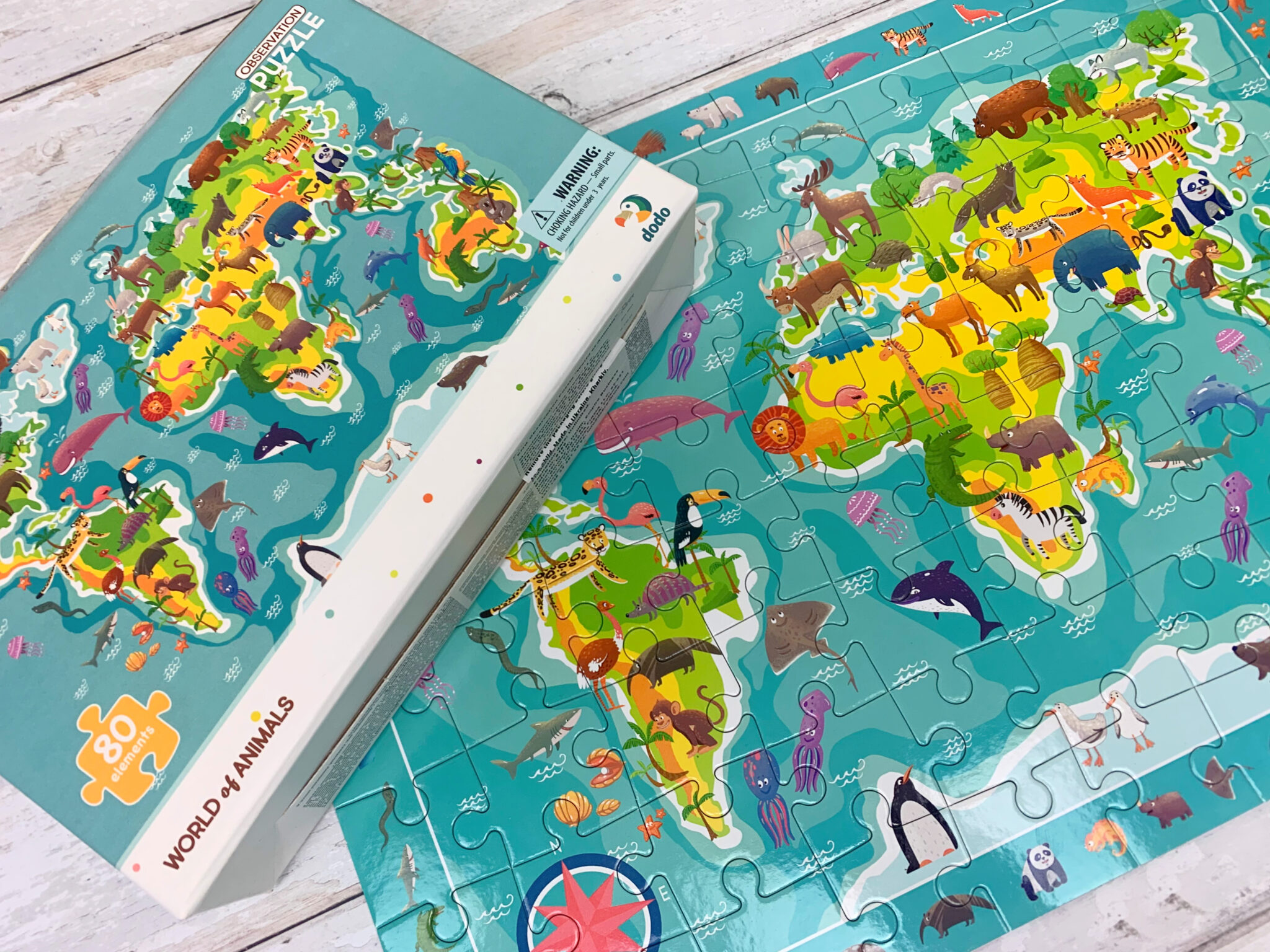
We love card games – great for all ages