If you’ve ever had a dog who turns their nose up at a perfectly good bowl of food, you’ll know just how frustrating mealtimes can be.
Our Barney is quite possibly the biggest baby you’ll ever meet! He’s also a rather fussy eater, which has made finding the right dog food for him a bit of a challenge.
You’d think a big boy like Barney would happily eat whatever was put in front of him, but apparently not. He’s certainly got his own ideas about what he likes and doesn’t like.
After plenty of trial and error, we’ve learned a thing or two about feeding a fussy dog. So I thought I’d share our experiences with Barney, along with some useful tips and different feeding options worth considering if you’re seeking dog food for fussy eaters.
Why Are Some Dogs Such Fussy Eaters?
Just like us, dogs have their own likes and dislikes when it comes to food. Some will happily eat whatever you put in front of them, while others need a little more convincing. And there can be all sorts of reasons for this.
Sometimes it’s simply down to taste or texture. A dog might love one type of food but turn their nose up at another. Others can become a little too accustomed to tasty treats or extras and suddenly decide their usual dinner isn’t quite so appealing! Of course, there can be other reasons too. Changes in routine, stress, dental problems and digestive discomfort can all affect a dog’s appetite.
It’s worth keeping an eye on any changes in your dog’s eating habits, particularly if they’ve previously been a good eater. If they suddenly stop eating, start losing weight or seem unwell, it’s always best to have a chat with your vet rather than putting it down to fussiness.

Finding the Right Dog Food: What We’ve Tried With Barney
We’ve certainly had our fair share of experimenting with Barney’s meals! For quite a while, we stuck with dry dog food, trying different brands and varieties in the hope of finding something he would enjoy.
We worked our way through several options from Skinner’s, along with foods designed for sensitive tummies and allergen-free varieties. Some seemed promising at first, but nothing really caught his interest for long. And it’s not as though these were bad foods. They just weren’t really exciting to Barney!
The trouble is, when you’ve got a big dog, buying different bags of food to try can soon become expensive. Especially when you’re left with half a bag that your dog has decided he no longer fancies! Eventually, we started exploring other feeding options and discovered that Barney was much more interested in fresh food.
It was quite a difference from watching him reluctantly pick at his dry food, and it made us realise that perhaps we’d been concentrating too much on finding the right brand of kibble rather than considering other types of food.
Different Dog Food Options for Fussy Eaters
There’s certainly plenty of choice these days, and while some dogs are perfectly happy with their usual kibble, others might prefer something with a different taste or texture.
Dry Dog Food
Dry dog food, or kibble, is probably one of the most convenient options. It’s easy to store, simple to measure out and comes in lots of different varieties. You can find formulas for puppies, adult dogs and seniors, along with options designed for different breeds and dietary requirements. And while Barney wasn’t particularly enthusiastic about the dry foods we tried, plenty of dogs absolutely love them!
Wet Dog Food
Wet dog food is another popular choice, particularly for dogs who aren’t keen on dry kibble. It generally has a softer texture and a stronger smell, which can make it more appealing to some fussy eaters. There are plenty of flavours and recipes available, and it can be served on its own or alongside dry food, depending on your dog’s needs. Just make sure you’re choosing a complete food if it’s going to form their main diet.
Fresh Dog Food
Fresh dog food is something we’ve become much more interested in since discovering Barney’s preferences. There are various options available, including freshly prepared and gently cooked meals, often made with recognisable ingredients. There are loads of companies springing up now that offer fresh dog food delivered direct to your door, of course, fresh doesn’t automatically mean best.
You can always make your own fresh dog food, which is the option we have recently chosen. We get to choose exactly what goes into Barney’s meals, ensuring there are no nasties or hidden fillers. Barney’s meals consist of fresh pork, carrots, sweet potatoes, quinoa, peas and brown rice. He really looks forward to his dinners now, and his bowl is always empty.
For dogs who aren’t particularly keen on kibble, the different textures and aromas might be worth exploring. It’s still important to check the nutritional information and make sure the food is suitable for your dog.
Raw Dog Food
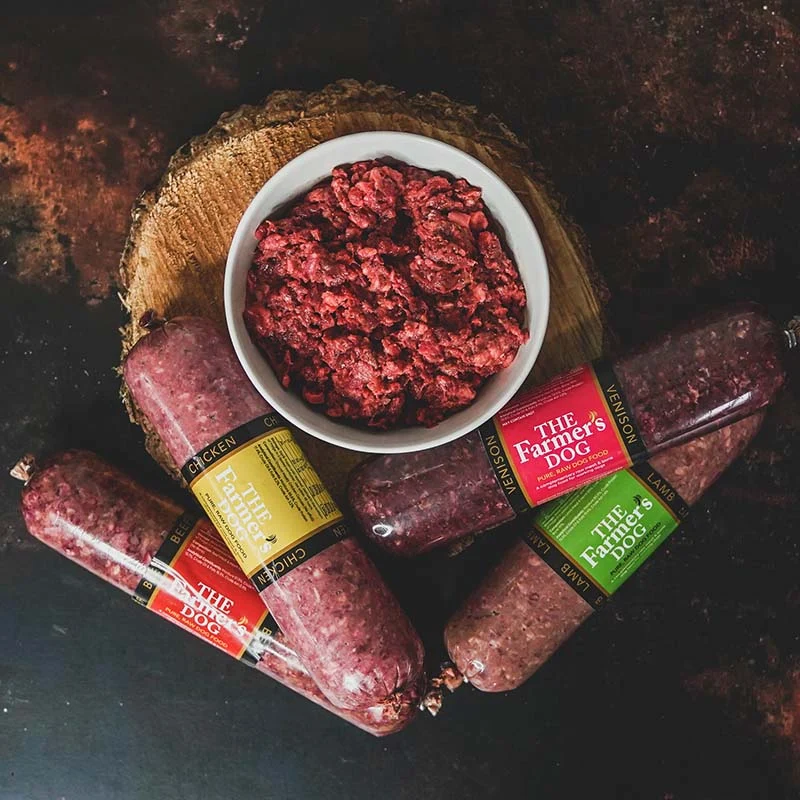
Raw feeding has also become a popular option among some dog owners. As the name suggests, it involves feeding uncooked ingredients, which may include meat, organs and other components depending on the recipe.
There are now companies offering prepared raw dog food in different varieties, which can make it easier for owners to explore the options available.
However, raw feeding isn’t suitable for every dog, and there are a few things to consider before making the switch. Raw meat can carry harmful bacteria, and it’s important to make sure your dog is getting a properly balanced diet.
If you’re thinking about trying raw food, it’s worth speaking to your vet first, particularly if your dog has a sensitive stomach or any existing health conditions.

Finding Dog Food That Suits Your Dog’s Preferences
One thing our experience with Barney has made us appreciate is just how much choice there is when it comes to feeding dogs. And when you’ve got a fussy eater, having a few different options to explore can certainly be helpful.
For anyone interested in raw feeding, The Farmer’s Dog offers a build-your-own raw dog food subscription box, allowing owners to choose from different products and put together a selection based on their dog’s preferences.
Rather than being limited to a standard box, you can choose the foods you’d like to include, which is a handy idea if your dog has particular favourites.
A Few Tips for Feeding a Fussy Dog
If you’re currently struggling to get your dog interested in their meals, there are a few things worth trying. Some are simple changes to your everyday routine, while others involve taking a closer look at what you’re feeding them.
Stick to regular mealtimes. Dogs generally do well with a routine, so try offering their meals at roughly the same times each day. Unless your vet has advised otherwise, avoid leaving food sitting out indefinitely.
Don’t overdo the treats. It’s easy to forget just how many little extras our dogs get throughout the day! Too many treats can leave them feeling full when dinnertime comes around.
Consider different textures. Some dogs prefer softer food, while others enjoy the crunch of kibble. If your dog regularly leaves their meals untouched, it might be worth considering whether the texture is putting them off.
Try not to swap foods too often. I know how tempting it is to rush out and buy something different when your dog refuses their dinner! But constantly changing foods can upset their digestion, so it’s better to give them time to adjust.
Introduce new foods gradually. If you decide to change your dog’s diet, do it slowly rather than switching everything overnight. This can help reduce the chances of an upset tummy.
Keep an eye on their health. If your dog is regularly refusing food or showing other symptoms, such as vomiting, diarrhoea or weight loss, have a chat with your vet to rule out any underlying problems.

Finding What Works for Your Dog
If you’re dealing with a fussy eater yourself, hopefully some of these tips will help. Sometimes it just takes a little patience, a few adjustments and a better understanding of what your dog enjoys to make mealtimes easier for everyone.
Do you have a fussy puppy? What works for them?