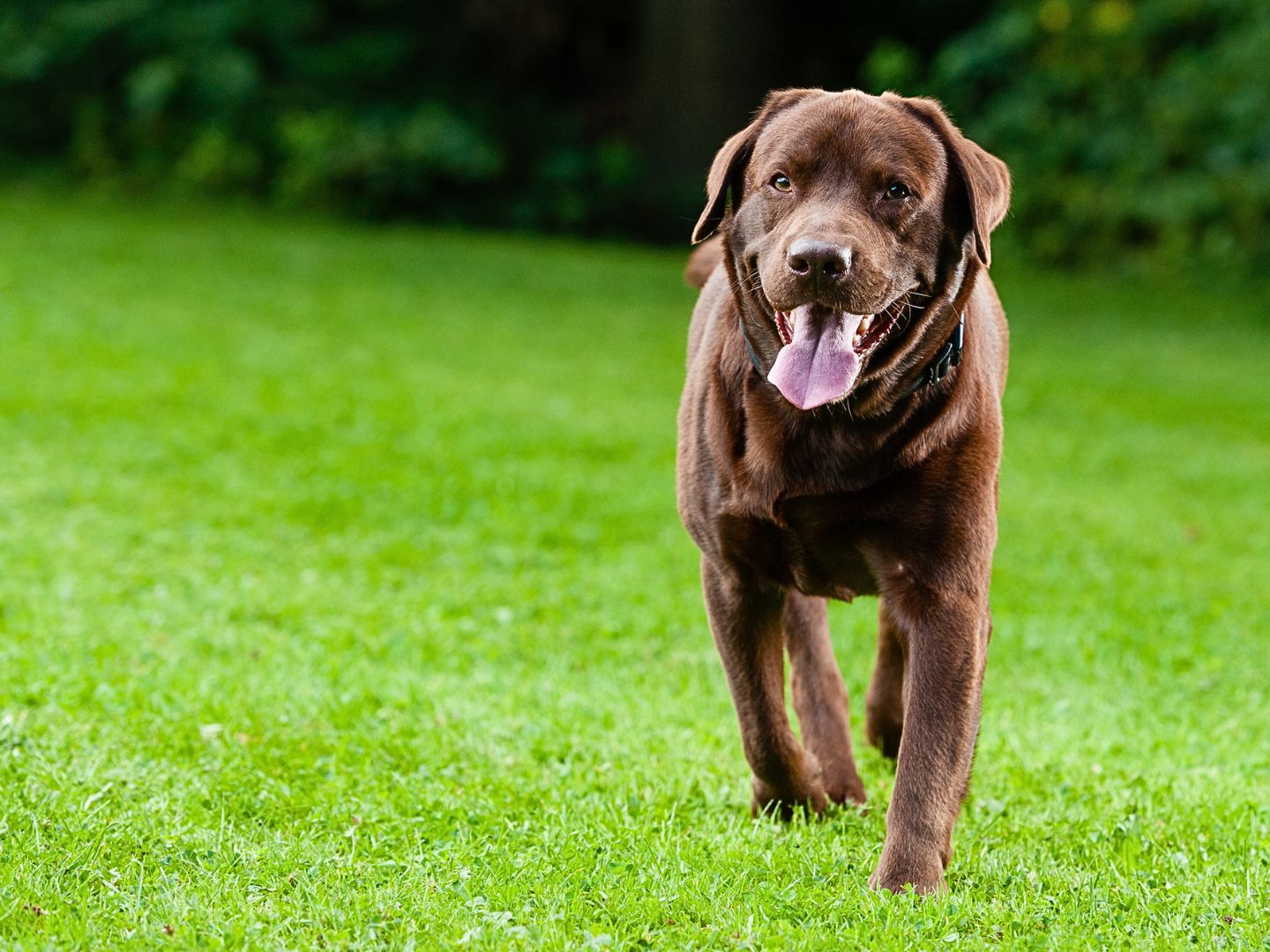
Knowing how to train your dog to ignore other dogs is an important part of responsible pet ownership.
When your pup socialises with other canines, they need to know how to act appropriately, not get too excited when faced with another animal and reward them with the best dog treats for training. But teaching this behaviour can be challenging if you don’t have the right tools or knowledge.
Luckily, we have the ultimate guide on how to train your pooch to ignore other four-legged friends. With our step-by-step instructions, you’ll learn simple techniques to help you teach your pup good manners around other animals.
So whether you’re looking for basic obedience training advice or want more info on canine etiquette – this guide has got you covered! Read on as we take you through everything there is to know about proper doggy behaviour.
Identifying the Root Cause: Why Does Your Dog React to Other Dogs?
Having a dog that reacts to other animals can be frustrating, but it’s important to understand why your pup is reacting in the first place.
Identifying the root cause of their behaviour before attempting any training is essential. This will help you create an effective plan for teaching them how to ignore other dogs. By understanding what causes your dog’s reactions and responding appropriately, you can train them to become more relaxed around others.
It may be difficult initially, as many pups are naturally inclined to react when they encounter another canine. It could be due to fear, anxiety or even aggression – all of which need addressing if progress is going to be made.
Your job is to identify the source of this reaction and work on alleviating it through positive reinforcement techniques such as treats or praise.
Basic Training: Teaching Your Dog Basic Commands
Now that you’ve identified the root cause of your dogs reactions, it’s time to begin basic training.
Teaching your dog basic commands before attempting any kind of ignoring other dogs’ exercises is essential for success.
Dog training should be fun and rewarding for you and your pup, so make sure there are plenty of treats! Start with simple obedience commands such as sit, stay, come and leave it. These will lay the foundation for more advanced techniques down the line while also teaching them how to focus on you in distracting situations.
Practice these regularly until they become second nature – depending on your pup’s progress, which could take a few weeks or months.
Once they have mastered these commands and can respond without fail, even when faced with distractions, you’ll be ready to gradually expose them to other dogs.
Gradual Exposure: Desensitising Your Dog to Other Dogs
Now that your dog has mastered the basics, gradually desensitise them to other dogs. Desensitisation is an important part of training and requires patience, understanding and consistency. Here are a few tips on how best to do this:
- Start off by introducing your dog to just one or two friendly dogs at a distance – no closer than 15 meters away. Ensure they are supervised by their owners, and you won’t be startled if they bark or growl.
- Gradually increase exposure over time as your dog becomes more comfortable in the presence of other canines. Increase distances slowly until you reach about 60 – 100 meters apart. This will help build trust and confidence between all parties involved.
- Offer positive reinforcement when they stay calm around other dogs, even from afar. Keep treats handy for rewarding good behaviour!
Once your pup is used to being around other canine friends, it’s time to teach them proper social etiquette with positive reinforcement techniques.
Positive Reinforcement: Rewarding Your Dog’s Good Behaviour
*This is a collaborative post.
With gradual exposure and a positive attitude, your pup can learn to ignore other dogs quickly.
Positive reinforcement is one of the best ways to reward good behaviour and encourage your dog to keep it up. Treats are an excellent way to reinforce desirable behaviours—just be sure not to overdo it!
Reward your dog for keeping calm when they see another pooch or when they listen when you give them commands. Also, ensure you offer plenty of praise so they know what they did right.
When your dog does something wrong, don’t forget to provide corrections too.
With these practical steps, you’ll soon have a well-mannered canine companion who knows how to behave around other animals!
Dealing with Setbacks: Consistency And Patience
Training your pup to ignore other dogs is a process that requires patience and consistency.
Setbacks may arise, but don’t let this discourage you from continuing your education. If your dog begins to react negatively when encountering another pooch, remain calm and correct them with firm commands. Respond consistently—remind yourself that these behaviours won’t change overnight.
Dog trainers often recommend teaching basic obedience skills like sit, stay and come before attempting more involved exercises like ignoring other dogs.
In Summary
Knowing how to train your dog to ignore other dogs is no easy feat, but with patience and consistency, it can be done.
Understanding why they react the way they do and using positive reinforcement techniques will help you get there faster. It’s important to remember that setbacks are inevitable when teaching a new skill or behaviour – don’t give up!


Great tips thanks for sharing
I have never owned a dog so I never knew that the full responsibility comes to the owners when a dog barks and acts aggressively. I always thought some dogs are just harder to train or are more aggressive than others.
I know my friend will appreciate your ideas – her dogs are misbehaving a lot
These are solid tips but tricky to arrange sometimes such as a friendly dog at 15 metres