*This is a collaborative post.
Mould is not only unpleasant to look at, it can actually affect the air quality and long-term health of your property. Many people think cleaning visible mould is enough, but mould problems often run deeper.
Understanding the difference between mould remediation and mould cleaning can help you tackle the issue safely and effectively. Read along to learn which method ensures your property stays mould-free for good.
First, a Look at Mould Cleaning
Mould cleaning focuses on removing visible mould growth from affected surfaces. It’s a surface-level process that uses cleaning agents to wipe away spots on walls, tiles, or ceilings. While it improves the appearance of an area, it doesn’t always address the underlying cause, such as trapped moisture or poor ventilation.
If cleaning is the only step taken, mould spores may remain hidden within materials or circulate through the air. This often leads to regrowth, which can quickly undo your cleaning efforts and lead to repeated infestations.
What Mould Remediation Involves
Mould remediation, on the other hand, is a comprehensive process that removes both visible and hidden mould while targeting the source of the problem. It includes inspection, containment, air filtration, removal of contaminated materials, and full restoration. Unlike simple cleaning, remediation focuses on ensuring mould doesn’t return.
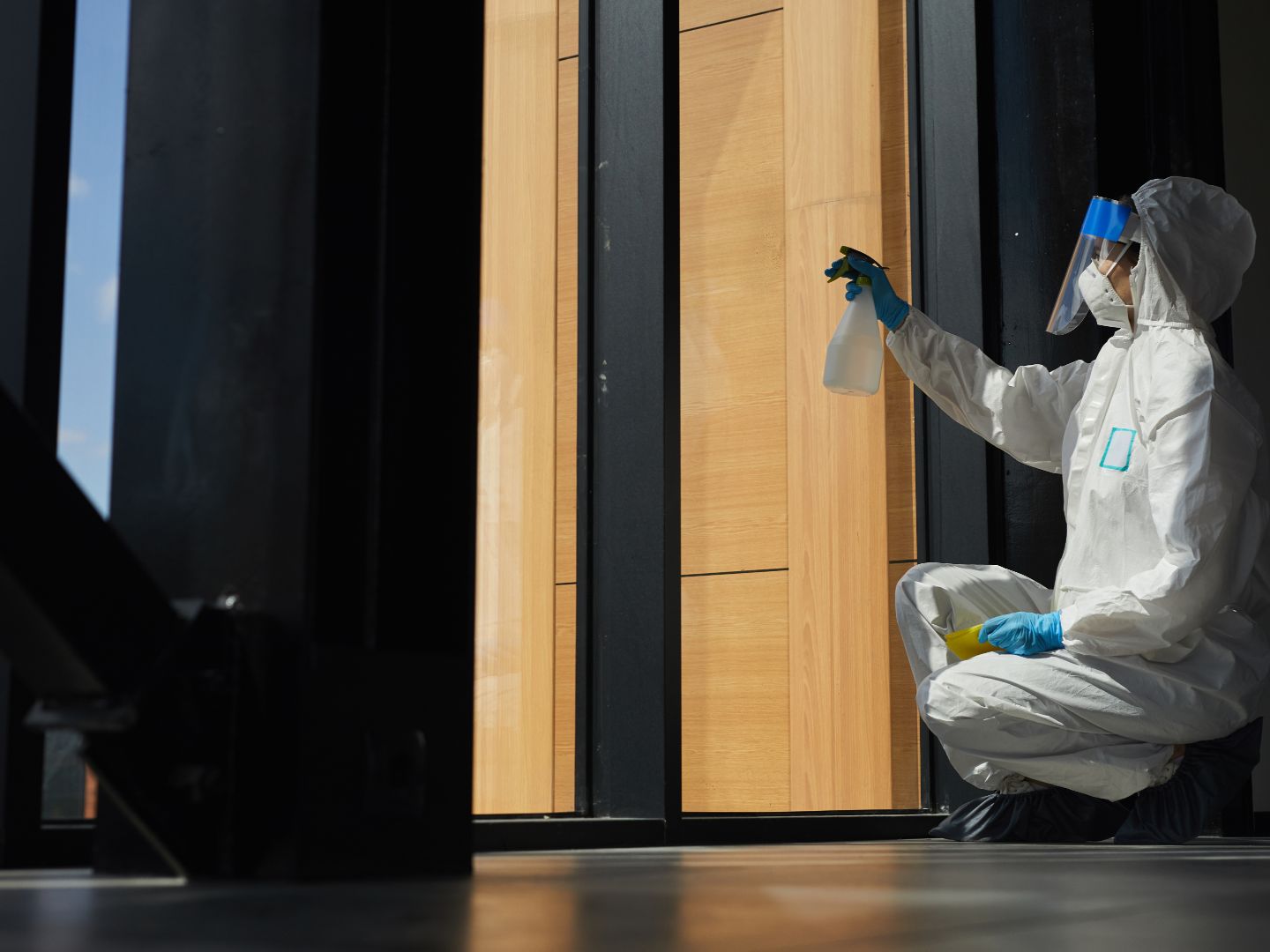
For this job, getting a certified mould remediation service is the safest and most reliable choice. Certified technicians use advanced equipment such as HEPA vacuums and air scrubbers to capture microscopic spores. They also identify moisture sources and apply treatments to prevent further growth.
If you’re dealing with persistent or large-scale mould issues, delaying will only make it worse. Call the experts now!
Why Cleaning Alone Isn’t Enough
Cleaning visible mould might make an area look better for a while, but it doesn’t remove spores hiding in the air or behind walls. Over time, these spores can spread to new areas, especially in damp environments. Mould growth can damage paintwork, drywall, insulation, and even structural materials if left untreated.
Moreover, spores released during cleaning can worsen respiratory conditions and allergies. Professional remediation ensures the air is filtered and contaminated materials are safely disposed of, reducing the risk of recontamination.
When to Choose Remediation Over Cleaning
You should consider full remediation if:
- Mould covers an area larger than one square metre.
- There’s a musty smell that persists even after cleaning.
- Mould keeps returning despite repeated cleaning attempts.
- The problem stems from leaks, condensation, or poor ventilation.
These signs suggest the issue goes beyond surface growth and requires expert assessment. Professional services can detect moisture inside walls or under flooring, areas ordinary cleaning can’t reach.
The Health and Safety Perspective
Mould spores can trigger asthma, sinus infections, and other breathing problems, especially in humid environments. That’s why it’s vital to take action as soon as mould appears.
Regular cleaning helps maintain hygiene, but professional remediation protects both health and property value by ensuring mould doesn’t come back.
Final Thoughts
Understanding the difference between mould cleaning and remediation can save you time, money, and stress. Cleaning may work for minor surface mould, but only remediation provides a complete and lasting solution.
If you want to restore your property safely and keep it protected, consider using a certified mould remediation service to handle the problem correctly from the start.