Thinning hair often starts with a little extra shedding in the shower or a ponytail that suddenly feels smaller. And while shelves overflow with products promising instant volume, real progress comes from restoring scalp health.
That is why many are turning to hair growth oils, a simple, nourishing remedy that supports regrowth naturally and helps hair recover its texture, density, and shine over time.
The Real Causes Behind Hair Thinning
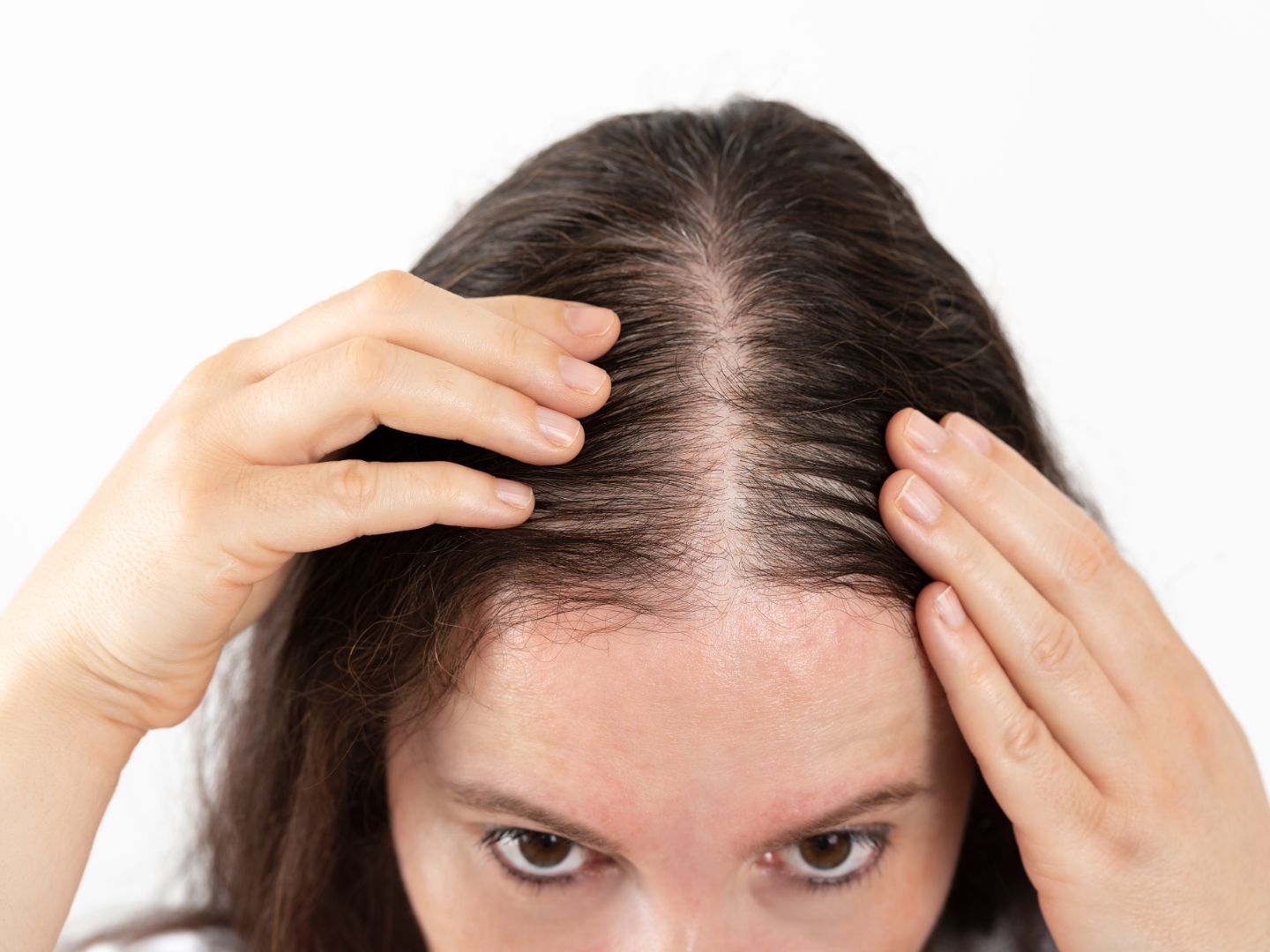
Before trying to reverse thinning, it helps to know what is driving it. Hair loss rarely stems from a single cause. Nutrient deficiencies, hormonal changes, chronic stress, medical conditions, and years of chemical treatments can all weaken follicles. When that happens, strands become finer, growth slows, and the scalp can start to show through.
As you can see, tackling thinning hair is never just about what’s visible on the surface. The scalp’s condition plays a huge role. Oils designed for regrowth focus on improving circulation, calming inflammation, and providing the nutrients hair needs to strengthen from the base up. It is a steady, restorative process rather than an overnight fix.
How Hair Growth Oils Support Scalp and Follicle Health
Not all oils work the same way, but those rich in essential fatty acids, antioxidants, and vitamins can make a real difference over time. Rosemary, peppermint, and castor oils are among the most effective choices.
Castor oil, for example, is packed with ricinoleic acid, which helps improve blood flow to the scalp and deliver nutrients to hair roots. Rosemary oil supports similar benefits while also helping counter hormonal imbalances linked to thinning by inhibiting DHT, a compound that can shrink follicles. Peppermint oil, meanwhile, adds a cooling effect that stimulates circulation and refreshes the scalp.
These oils also soothe dryness and flaking, issues that can slow growth by blocking follicles. When the scalp stays hydrated and balanced, new strands can emerge more freely and grow stronger.
Applying Hair Oils the Right Way for Better Results
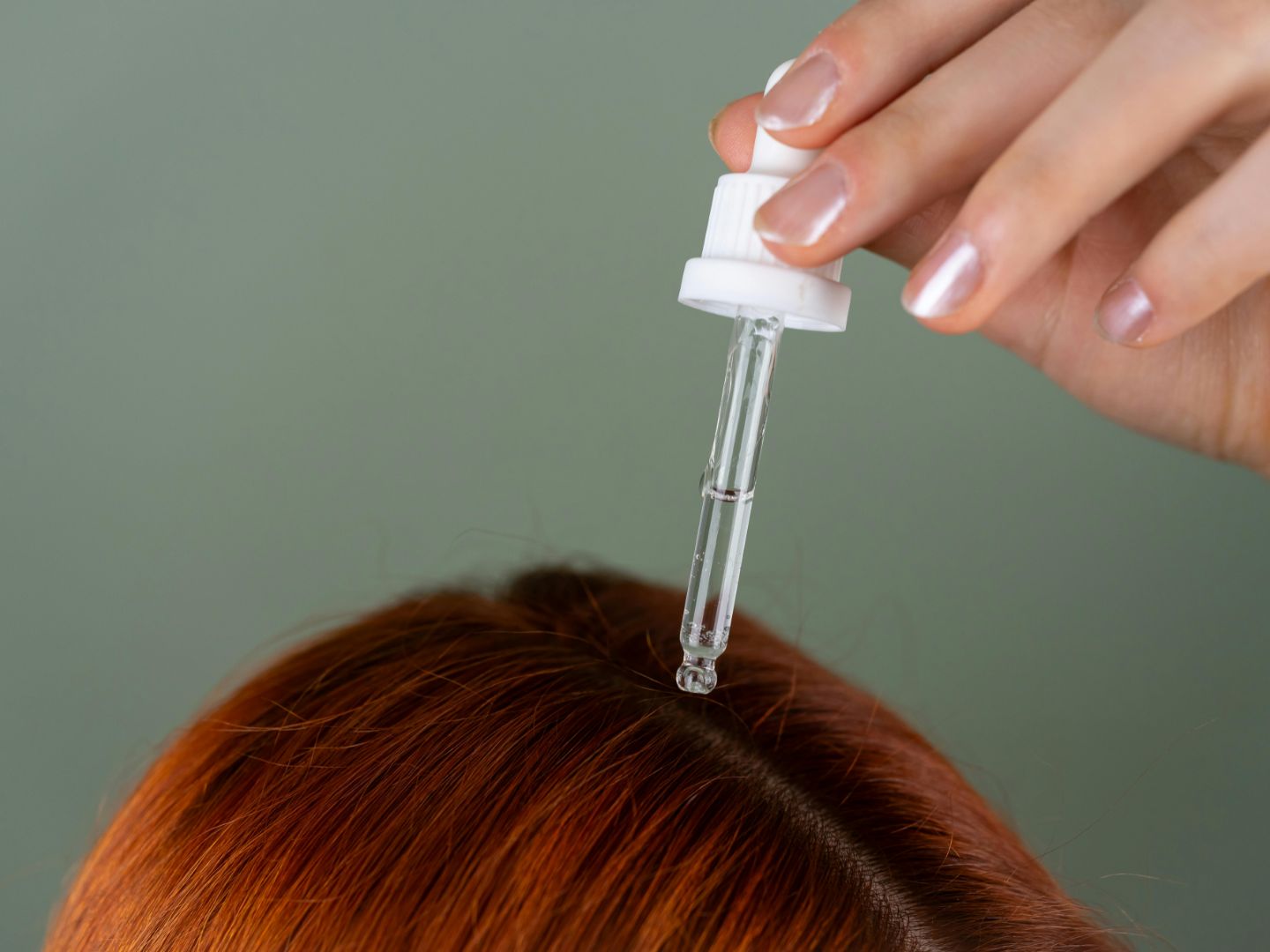
Choosing the right oil is only half the story, how you apply it matters just as much. A gentle scalp massage for a few minutes helps distribute the oil evenly and boosts blood flow, which in turn supports healthy follicle activity.
For most people, applying oil two or three times a week works well. Leave it on for several hours or overnight, if possible, before washing it out with a mild shampoo. With consistent use, the difference becomes noticeable. Your hair starts to feel thicker, smoother, and less prone to breakage.
The best choice of oil depends on hair type. Lighter options like jojoba or argan suit fine or oily hair, while richer ones such as coconut or castor work better for dry or textured hair. Finding the right match prevents buildup and ensures the oil supports, rather than overwhelms, your scalp’s natural balance.
Supporting Hair Growth with Healthy Daily Habits
Hair oils are reliable and are known to work, but their effects are amplified when paired with good everyday habits. A balanced diet, proper hydration, and managing stress all influence hair health more than most people realise. Limiting heat styling and harsh treatments gives strands the chance to recover and regrow naturally.
Always keep in mind that hair growth happens in cycles, and results often take several weeks to become noticeable. Consistency, more than any single product, is what turns small improvements into lasting change.
Final Thoughts
Thinning hair does not have to be permanent. With the right approach, combining scalp nourishment, gentle oils, and mindful daily care, you can create an environment that supports steady regrowth. Quality oils work effectively, feeding the scalp and strengthening each strand from its foundation.
When used regularly and with intention, these natural treatments can help restore both volume and confidence. It is not a miracle cure, but rather a simple, reliable way to encourage your hair’s natural resilience and let it thrive again.