*This is a collaborative post.
Adapting to new mobility needs can feel like stepping into unfamiliar territory. Whether the change happens gradually due to ageing or suddenly because of illness or injury, (a good personal injury lawyer may be able to help you), it often disrupts daily habits and routines. What once felt effortless, like getting dressed or moving around the home, may now require rethinking and support.
The journey toward maintaining independence and wellbeing doesn’t need to be overwhelming. Small, purposeful changes can make a big difference in creating a manageable and supportive daily routine. Understanding where adjustments are needed and how to introduce them gently can help restore confidence, reduce stress, and support long-term comfort and stability at home.
How Reduced Mobility Affects Everyday Tasks
When physical movement becomes more difficult, everyday routines begin to shift. Dressing, preparing meals, and personal care activities may take longer and demand more energy. Moving between rooms, managing stairs, or accessing storage areas can feel like major challenges.
These difficulties often lead to emotional strain. Feelings of frustration, uncertainty, or withdrawal from previously enjoyed activities may surface. Even attending social events or managing household responsibilities can start to feel unmanageable.
This is where support makes a difference. Working with specialists who can assist with selecting your powered wheelchair helps individuals choose equipment tailored to their specific circumstances. The right mobility aid can help preserve engagement with daily life and maintain participation in household routines, whether that means making a morning cup of tea or spending time with family.

Recognising When Routines Need Reworking
Sometimes, physical signals make it clear that change is necessary. Tasks that used to be simple may now leave you tired or sore. If you notice increased effort, delayed completion of regular chores, or growing discomfort, it could be time to reassess how your day is structured.
Emotional cues are just as important. If you are avoiding activities you once enjoyed or feeling anxious about moving around the house, these are signs that your routine might need adapting. Family members may also notice changes and express concern about your safety, which should be taken seriously.
Early adaptations are often the most effective. Rather than waiting until a major disruption occurs, making small changes early can prevent injury and help maintain independence. Reorganising the day around new energy levels or physical limitations supports consistency, balance, and peace of mind.
Making Your Home Safer and More Accessible
A comfortable home layout is vital when adapting to mobility challenges. Begin by removing trip hazards such as loose rugs or low furniture. Create wide, unobstructed pathways so that a powerchair or walking aid can move freely throughout the space.
In the bathroom, grab bars next to the toilet and in the shower offer additional support. Anti-slip mats, raised toilet seats, and walk-in showers can also reduce the risk of slips and falls. These adjustments allow for safer personal care routines without removing privacy or comfort.
In the kitchen, place everyday items on shelves that can be reached while seated. Pull-out shelves and soft-close drawers limit the need to bend or stretch. Specially adapted utensils or kitchen tools with easy grips can help when preparing food, especially if you experience reduced hand strength.
Lighting also plays a key role in safety. Ensure that hallways, staircases, and bedrooms have sufficient lighting, especially at night. Motion-activated or touch-control lamps are useful additions that support independence without the need for fiddly switches.
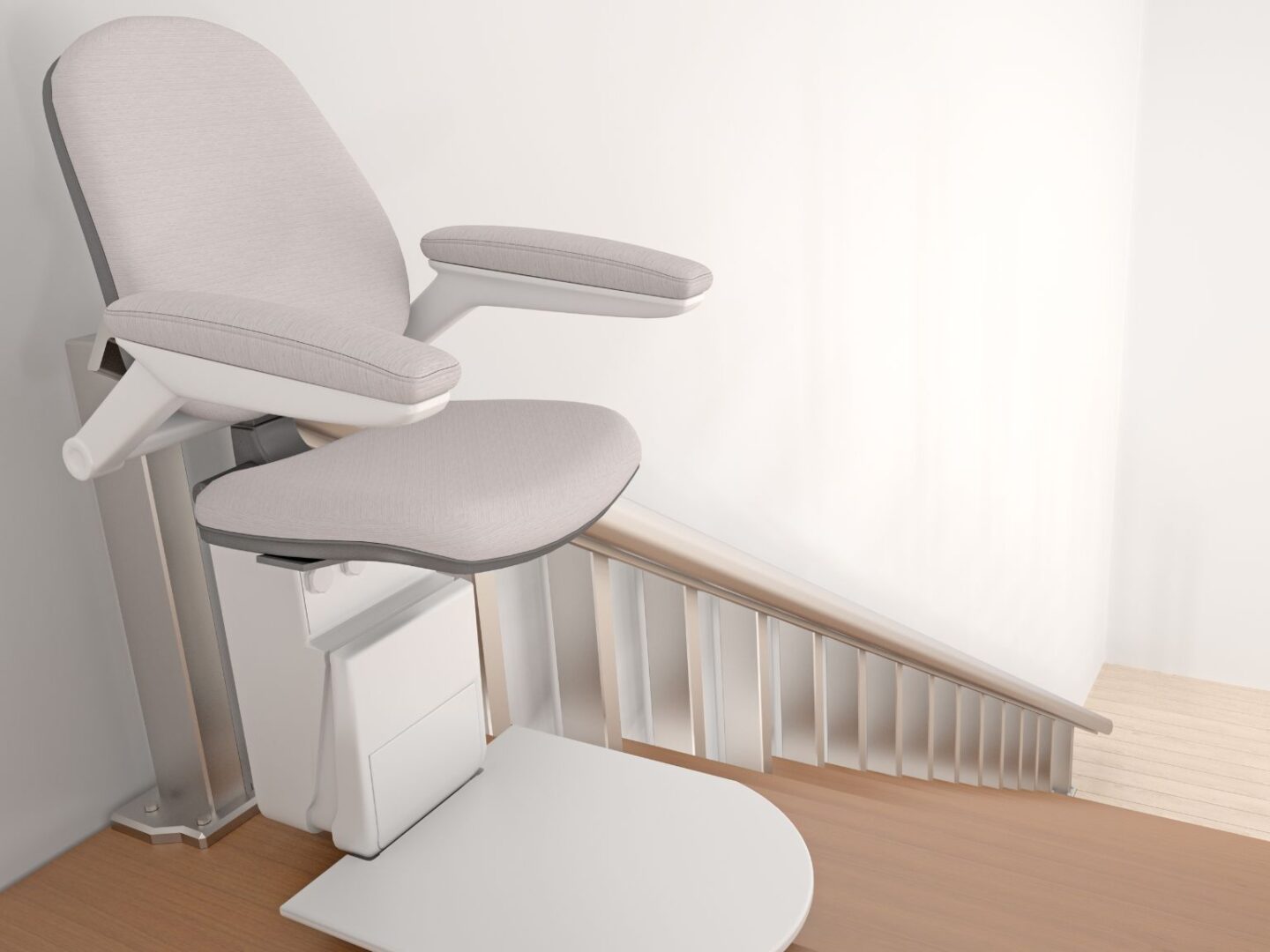
Choosing the Right Equipment for Daily Life
Not everyone requires the same type of support, so selecting the right mobility aid begins with an honest review of personal needs. For those who still walk but experience occasional fatigue or balance issues, walking sticks or rollators provide stability and allow rest when needed.
For more persistent challenges, powered wheelchairs offer reliable support. These allow users to conserve energy for important moments rather than using it all on moving from one room to another. Powerchairs require minimal physical effort and allow users to remain active in family routines or household responsibilities.
Some models are designed for indoor use, while others can manage rougher outdoor terrain. Lightweight, foldable versions are practical for travel and easy to store in smaller homes. Selecting the right option ensures that users can remain mobile and active across a range of settings.
Building New Routines That Work for You
Forming new habits takes time, so introduce changes gradually. Start by adjusting the most essential parts of the day, such as personal hygiene or meal preparation. Then, look at less urgent areas like recreational activities or household chores.
Allow more time for tasks that now take longer. Give yourself space in the morning to get ready without rushing. Include rest periods during the day to recharge and avoid unnecessary strain.
It may also help to simplify tasks or complete them in smaller steps. For example, instead of doing all the housework in one go, spread it across several short sessions throughout the week. This helps reduce fatigue and makes tasks feel more manageable.
Work with family members or carers to develop shared plans. Clear communication helps them provide support while respecting your independence. Being open about what you can do and where you need help promotes collaboration and confidence.
Supporting Emotional Wellbeing
Adjusting to changes in mobility can stir up a range of emotions, from frustration to sadness. It’s important to recognise these feelings and seek ways to stay emotionally supported while adapting to new ways of living.
Engaging in familiar activities in adapted ways can provide comfort. Whether that’s gardening from a raised bed, listening to audiobooks instead of reading, or playing music while seated, maintaining enjoyable routines helps preserve a sense of self.
Support groups and peer communities offer practical advice and emotional encouragement. Being part of a group that understands your experiences makes it easier to share strategies and solutions that work in real life.
Celebrating small wins, such as completing a task without help or learning to use a new piece of equipment, can help reinforce a sense of progress. Keeping a simple journal or notebook to track these moments helps boost motivation and reduce feelings of helplessness.

Planning Your Days with Mobility in Mind
A successful day starts with planning that suits your energy levels and physical capacity. Consider when you feel strongest and use those times for activities that require more effort. Plan appointments or tasks around these periods, and include moments for rest to recharge.
Home layouts should continue to support your routine. Ensure you have direct access to the bathroom from the bedroom, keep pathways clear throughout the home, and make sure storage areas are within reach. These simple adjustments can help save energy and prevent accidents.
Even small additions like using a lap tray for meals or a mobile trolley for moving items from room to room can reduce the physical strain of daily tasks. These tools allow you to stay involved in your home life without compromising comfort or safety.
Staying flexible, recognising when help is needed, and planning your days around what works best for your body can improve comfort, emotional wellbeing, and greater independence. With the right mindset and practical support, managing changing mobility becomes a positive step toward maintaining control and enjoying everyday life.