Helping children develop positive oral health habits begins long before their first permanent tooth appears. Early exposure to oral care teaches children that dental hygiene is a normal and important part of everyday life. Even during infancy, gently cleaning a baby’s gums and later brushing their first teeth establishes familiarity with the process. These early routines also help prevent discomfort, infections, and complications that could affect overall well-being.
Parents and caregivers play a vital role in setting the tone. When oral hygiene is introduced calmly and consistently, children are more likely to accept it without resistance. Establishing routines early ensures that brushing and flossing become second nature rather than a chore introduced later with difficulty.
Making Oral Care a Positive Daily Routine
Consistency is essential when building lifelong habits. Brushing twice a day and flossing regularly should be presented as a normal part of morning and evening routines. When oral care is treated with the same importance as getting dressed or eating meals, children begin to see it as a non-negotiable part of self-care.
Making brushing enjoyable can significantly improve participation. Using colorful toothbrushes, flavored toothpaste appropriate for children, or even playing music during brushing time can transform the experience. Encouragement and praise also reinforce positive behavior, helping children feel proud of taking care of their teeth.
Parents who model good habits themselves send a powerful message. When children see adults prioritizing their own oral health, they understand its importance and are more likely to follow suit.
Encouraging Healthy Eating Choices
Diet plays a major role in maintaining oral health. Foods and drinks high in sugar can contribute to tooth decay, especially when consumed frequently throughout the day. Teaching children about balanced nutrition helps protect their teeth while supporting overall health.
Offering healthier snack options, such as fruits, vegetables, cheese, and yogurt, helps reduce the risk of cavities. Limiting sugary beverages and encouraging water instead supports saliva production, which naturally protects teeth. Explaining how certain foods affect teeth can help children understand the reasons behind these choices rather than seeing them as restrictions.
When families adopt healthy eating habits together, children are more likely to embrace these choices without feeling singled out.
Building Comfort With Professional Care
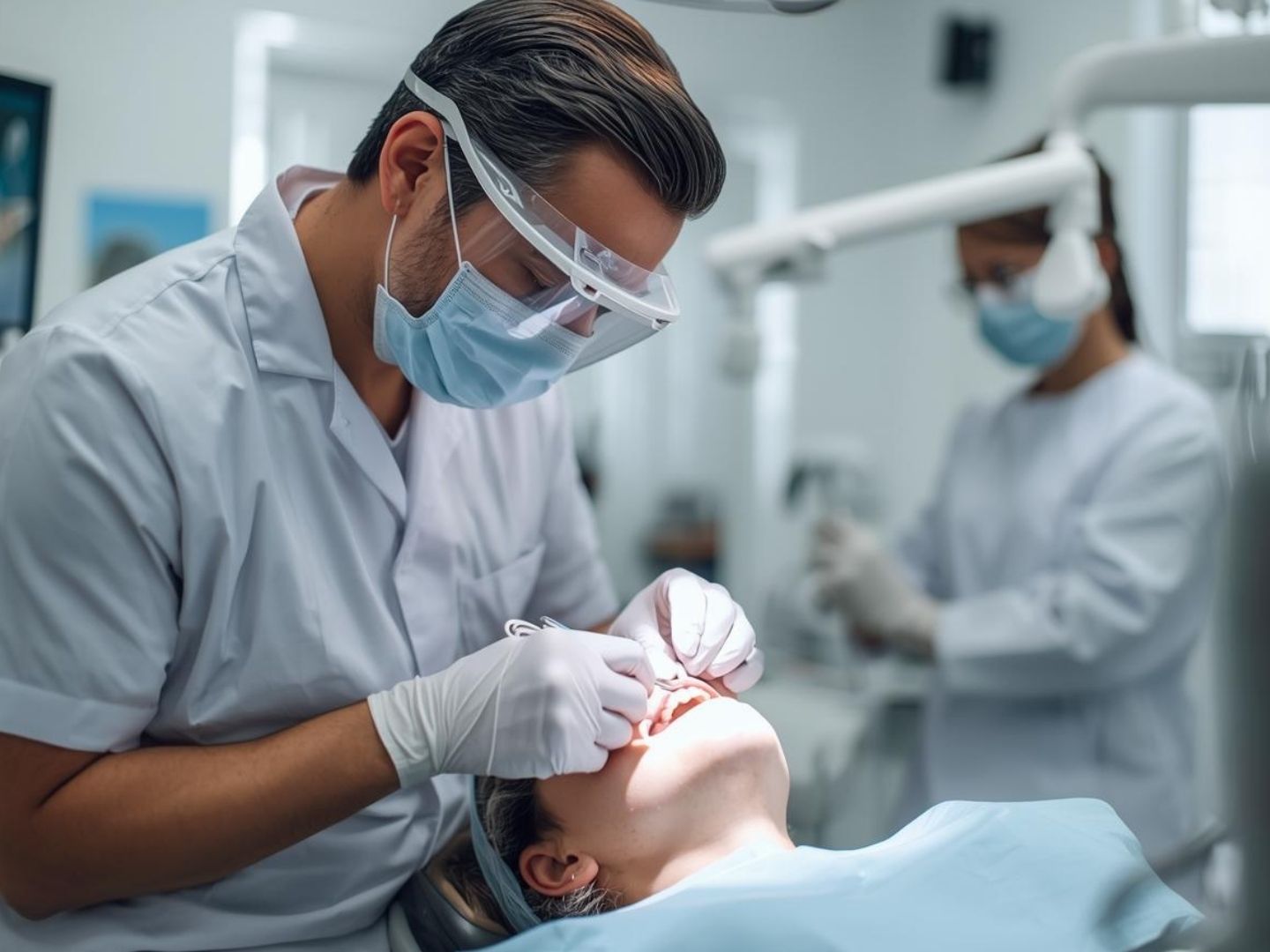
Regular dental visits are essential for maintaining oral health and identifying any concerns early. Introducing children to dental appointments in a positive and relaxed way helps reduce fear and anxiety. Choosing experienced professionals, such as dentists serving Balham, ensures that families receive guidance tailored to every stage of development.
Dental visits provide opportunities for education, prevention, and reassurance. Children learn proper brushing techniques, while parents receive advice on supporting their child’s oral health at home. Positive experiences during these visits help children view dental care as supportive rather than intimidating.
When dental appointments are framed as routine and helpful, children develop confidence and trust in the process.
Adapting Habits as Children Grow
As children mature, their oral health needs evolve. Encouraging independence while maintaining supervision ensures that good habits continue. Teaching proper brushing techniques, emphasizing the importance of flossing, and reinforcing consistency helps children take ownership of their oral care.
Teenagers, in particular, benefit from understanding how oral health affects appearance, comfort, and long-term wellness. Clear communication about these connections can motivate them to maintain healthy routines even as their schedules and responsibilities change.
Families that continue to prioritize oral health together create an environment where these habits remain strong.
Supporting Lifelong Wellness Through Family Effort
Positive oral health habits are built through patience, consistency, and encouragement. When families work together to make oral care a regular and positive part of daily life, children develop the skills and mindset needed to protect their teeth for years to come. These habits not only support healthy smiles but also contribute to overall confidence, comfort, and well-being throughout every stage of life.