*This is a collaborative post.
Whether you have purchased a property purely for the purpose of renting out to tenants, or have a property that is now standing empty for other reasons and want to fill it, there are lots of things to do before you can become a landlord. To ensure that your property is legal and safe for tenants to live in, you will not only need to provide some basics, but also have tests and assessments carried out on different aspects of the property that might cause a hazard. Before you put your property on the rental market and find the perfect tenant to move in, there are several things you will need to do. Some are legal requirements, while others are simply recommended by the experts to help your property stand out from the crowd and get tenants in faster.
EICR
If your property does not already have a recent one, then you will need to get an EICR. There are different types including a commercial EICR/fixed wire testing, which is for business premises. For the purpose of renting out a property, you are going to need a domestic EICR or electrical installation condition report. A domestic EICR report provides you with an in-depth report into the condition and safety of the electrical components in the building, along with further information on any repairs that need to be made or hazards that should be taken care of straight away. It also provides further information on the efficiency of the electrical system and how it could be improved. Get in touch with a good electrician to get answers to your general EICR queries. Legally, you should have this carried out every five years.
Gas Safety Check
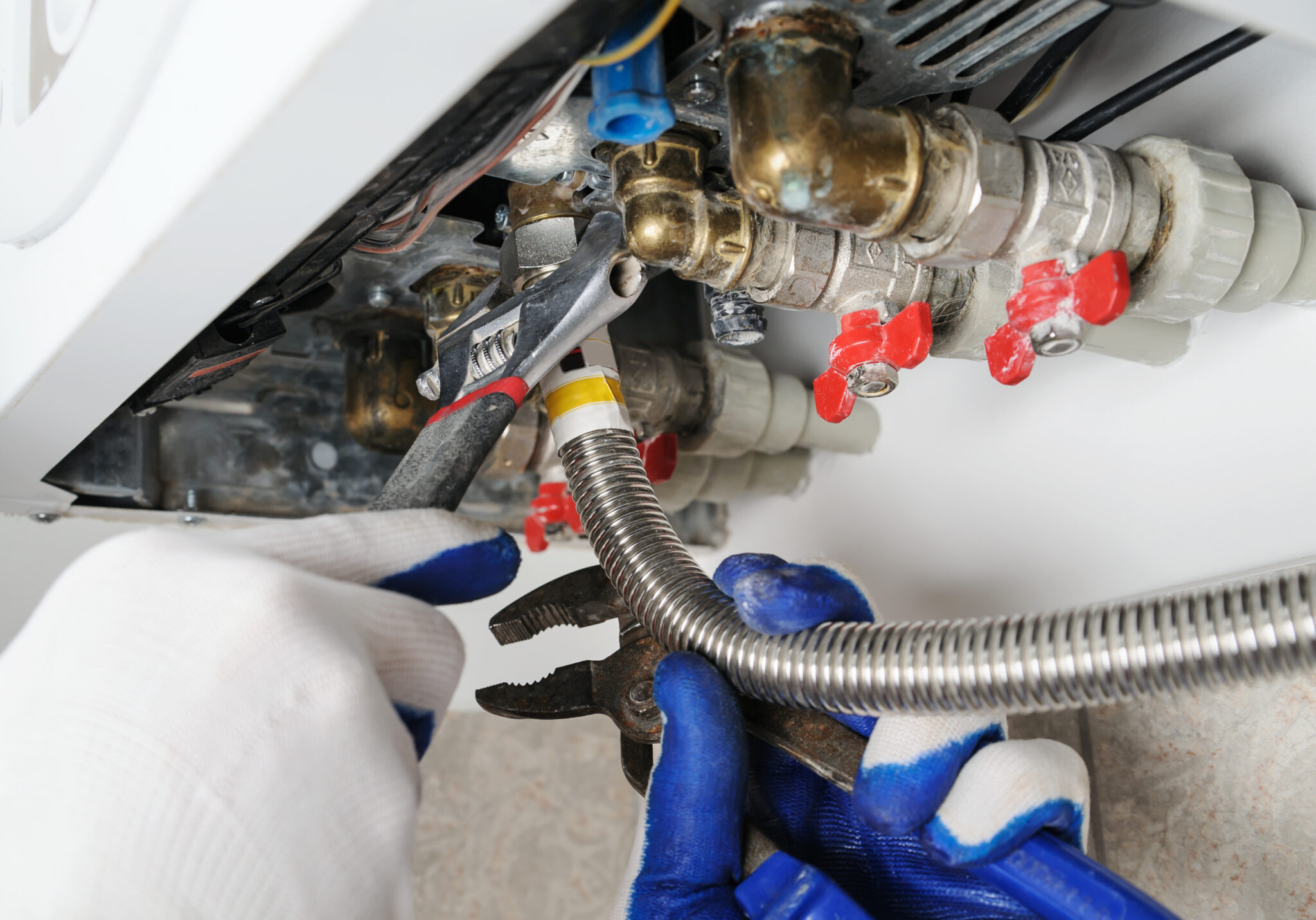
If the property you are renting out has a gas central heating system, then you will need to have a yearly gas safety check conducted on the boiler and other gas appliances in the property such as a gas cooker, hob, or fire. This will need to be carried out by a licensed Gas Safe Engineer on an annual basis. It is a legal requirement for all rental properties, so you should ensure that this inspection is kept up to date, as otherwise, you could be liable to pay damages to your tenant.
Carbon Monoxide Alarm
Another thing you will need to do if the property that you are renting out has a gas central heating system or other gas appliances inside provides a carbon monoxide alarm. This will alert the tenants if there are any dangerous levels of carbon monoxide, which is a colourless and odourless gas, leaking from the appliances. Carbon monoxide alarms can be purchased from most good DIY stores or online for a nominal amount and are usually battery-powered.
Smoke Alarm
You will also need to legally provide a smoke alarm on each floor of the property that you are renting out to tenants. You can have these fitted by the fire brigade or ask a local fitter to do it for you. Hard-wired smoke alarms are often preferred by most landlords as there is no risk of the batteries running out and tenants not changing them. Remember that smoke alarms don’t just protect your tenants in the event of a fire in the property, but can also be the difference between a little damage and a lot of damage to the home should a fire occur.
Fire Safety Equipment
While it is not a legal requirement to provide it, you may want to consider getting some fire safety equipment for your rental property. This can come in very handy in the event of a fire that tenants need to be able to put out safely. For example, you may wish to provide tenants with access to a fire extinguisher and fire blanket somewhere in the property; most commonly these will be located in the kitchen, as this is where many fires start.
Furnishings
How much furniture and furnishings you provide is up to you. If you are going to be renting the property out as a furnished property, then you will need to at least provide the basics. Tenants will usually expect there to be white goods, a sofa, bed, wardrobe, and some other basic furniture and furnishing items such as curtains and light shades in a furnished property. You may even want to go one step further and provide items like a TV. You have no legal requirement to provide any furniture in the rental property, however. Many landlords prefer to provide their own oven and hob, as this can be tested rather than leaving it up to the tenants to provide their own. However, for a long-term rental, it might be better to go with unfurnished as this gives the tenants more of a chance to make the home their own. Consider adding some basics, like curtain rails on the windows.
Décor
It’s worth spending some time to give the property a fresh coat of paint before you rent it out to tenants, especially if it’s been a while since it has seen a brush and a roller. Some landlords are happy to allow tenants to decorate the property to their tastes while living there, while others ask them not to. This will of course depend on how long you expect your tenant to stay there and the relationship that you have with them. You may want to consider allowing them to decorate themselves after they have lived there for a year, for example. For the new tenancy, it’s best to decorate in a neutral colour as this will be easy for tenants to pair their own furniture and other décor items.
Safety Check
Before putting your property on the market, it’s best to do a basic safety check of the house. Check for anything that might pose a hazard such as loose flooring or steps and get it repaired or replaced as soon as possible. Check that all the basics are in place, such as making sure that all the light bulbs and taps are working correctly. Make sure that there are no potential electrical hazards such as light switches or plug sockets that have come loose from the walls.
Basic Information
Finally, you should provide your new tenant with some basic information. Along with a copy of their tenancy agreement and itinerary for the property, you will also need to legally provide them with a ‘how to rent’ booklet and the energy efficiency rating for the property when they first move in. You can go a step further than this if you want to make your tenant feel welcome in the new area, especially if you know that they are moving in from further away. Information such as when the wheelie bins are collected, for example, can be very useful for tenants and will help them get settled easier, along with contact information for local services and tradespeople that they might need in the first few days. Consider anything that they might find useful such as information on where to find the nearest supermarket, hospital, and more.
Whether you have bought an investment property or are planning to rent a former home out to a tenant, there are several things you should do to prepare before placing your property on the market.