
*This is a collaborative post.
Building your own home is a dream many people hold close to their hearts, and in the UK, it is an increasingly popular option for those seeking to create a personalised living space. From the freedom to design and customise every detail to the potential cost savings and long-term investment benefits, constructing your own home offers a unique and rewarding experience. In this article, we will delve into the key considerations, processes, and benefits of building your own home in the UK, empowering you to embark on this exciting journey with confidence.
Finding The Perfect Plot Of Land
The first step in building your own home is securing a suitable plot of land. Researching different areas and consulting with planning authorities are essential to finding available land that meets your requirements. Online platforms and estate agents specialising in self-build properties can be valuable resources in your search. Consider factors such as location, access to amenities, local services, and future development plans when evaluating potential plots. Try and find out as much as you can about a piece of land before you buy it. Visit the site and get a feel for the location and the surrounding area and its amenities to see if you could imagine yourself living there.
Drawing Up The Plans For Your Dream Home
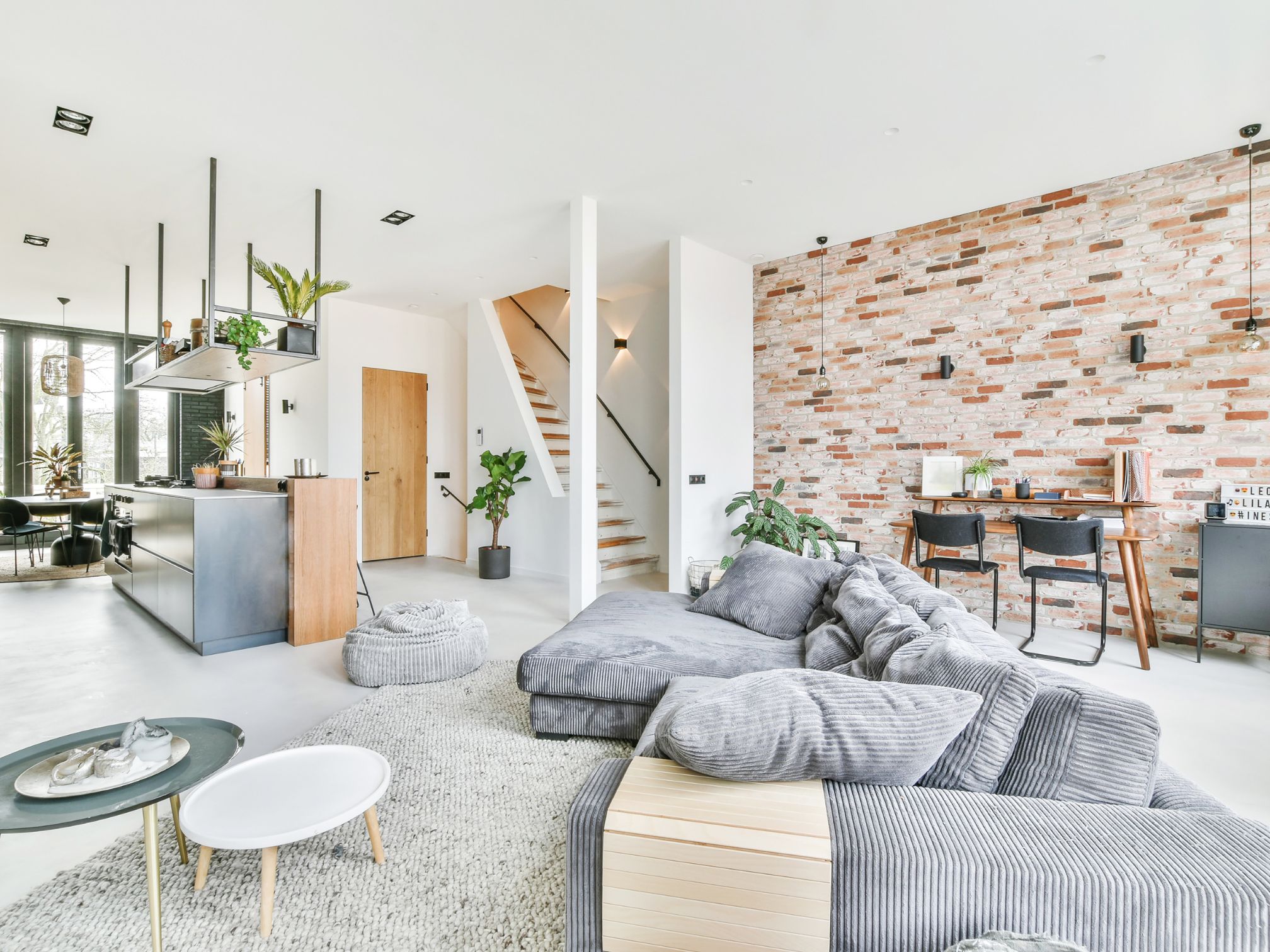
Designing your own home is one of the most exciting aspects of self-building. Collaborate with architects or designers to create a blueprint that encompasses your lifestyle, preferences, and future needs. Consider the layout, room sizes, natural light, storage solutions, and flow of the house. Ecological surveys are key to making sure you can achieve the home of your dreams. It will be crucial for you to conduct various surveys on your land so that you are aware of the impact your dream home will have. You should also look into the possibility of working with an architect. A good architect will be able to combine your plans for your home with practical solutions, such as following local planning regulations.
Budgeting and Financing
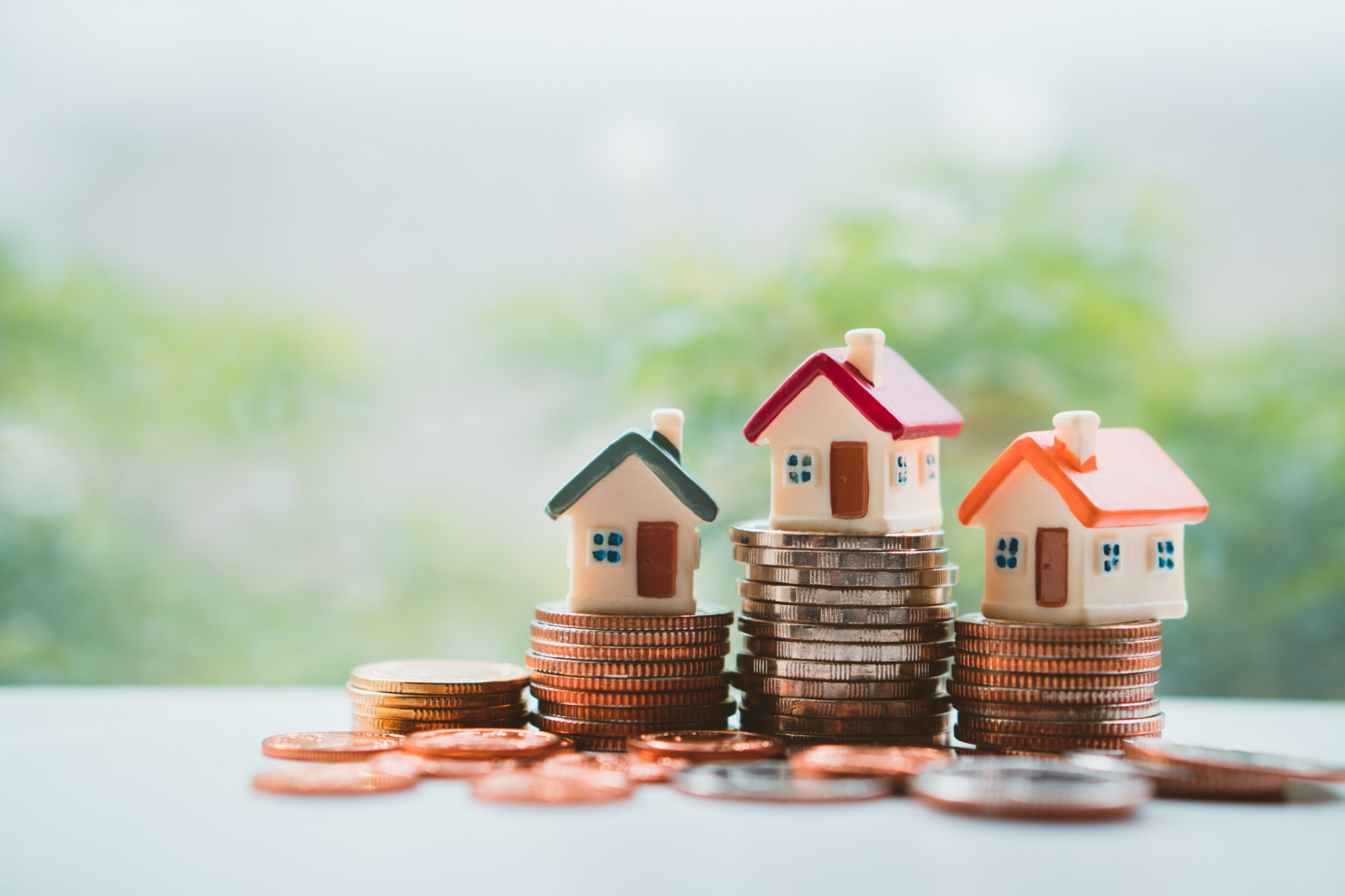
Developing a realistic budget is crucial to ensure the financial viability of your project. Determine the overall cost of your self-build, including land acquisition, construction materials, professional fees, and contingency funds for unexpected expenses. Secure financing options tailored to self-build projects, such as self-build mortgages or custom-build schemes, which provide funding in stages as the construction progresses. It’s important to factor in the cost of temporary accommodation during the construction phase as well. Whether you need to go through with the sale of the current house you own to fund the building project, or you are modifying your existing home, living on a building site can be messy and impractical, especially if you have a family to consider. Some people choose to stay with family or friends, or even buy a static caravan to live on-site before their new home is ready.
Navigating Planning Permission
Obtaining planning permission is a critical stage in the self-build process. It ensures that your proposed home aligns with local regulations and guidelines. Before purchasing a plot, familiarise yourself with the planning policies and restrictions of the specific area. Engage with architects or planning consultants who can guide you through the process and help prepare a comprehensive planning application. It’s advisable to include as much detail as possible in your plans to increase the chances of approval.
Choosing Your Contractors
Building a home requires a team of experienced professionals. Engage architects, structural engineers, contractors, and project managers who specialise in self-build projects. Seek recommendations, review portfolios, and conduct interviews to ensure they understand your vision and have the expertise to bring it to life. Establish clear communication channels and maintain regular contact with your team throughout the construction process. Choosing the right contractors for your build can make or break a project, so it’s worth taking the time to find the right contractors for you and being picky about your final choice. Also, don’t be afraid to choose another team of contractors should you find that the ones you chose aren’t performing to your standard.
Managing The Construction Process
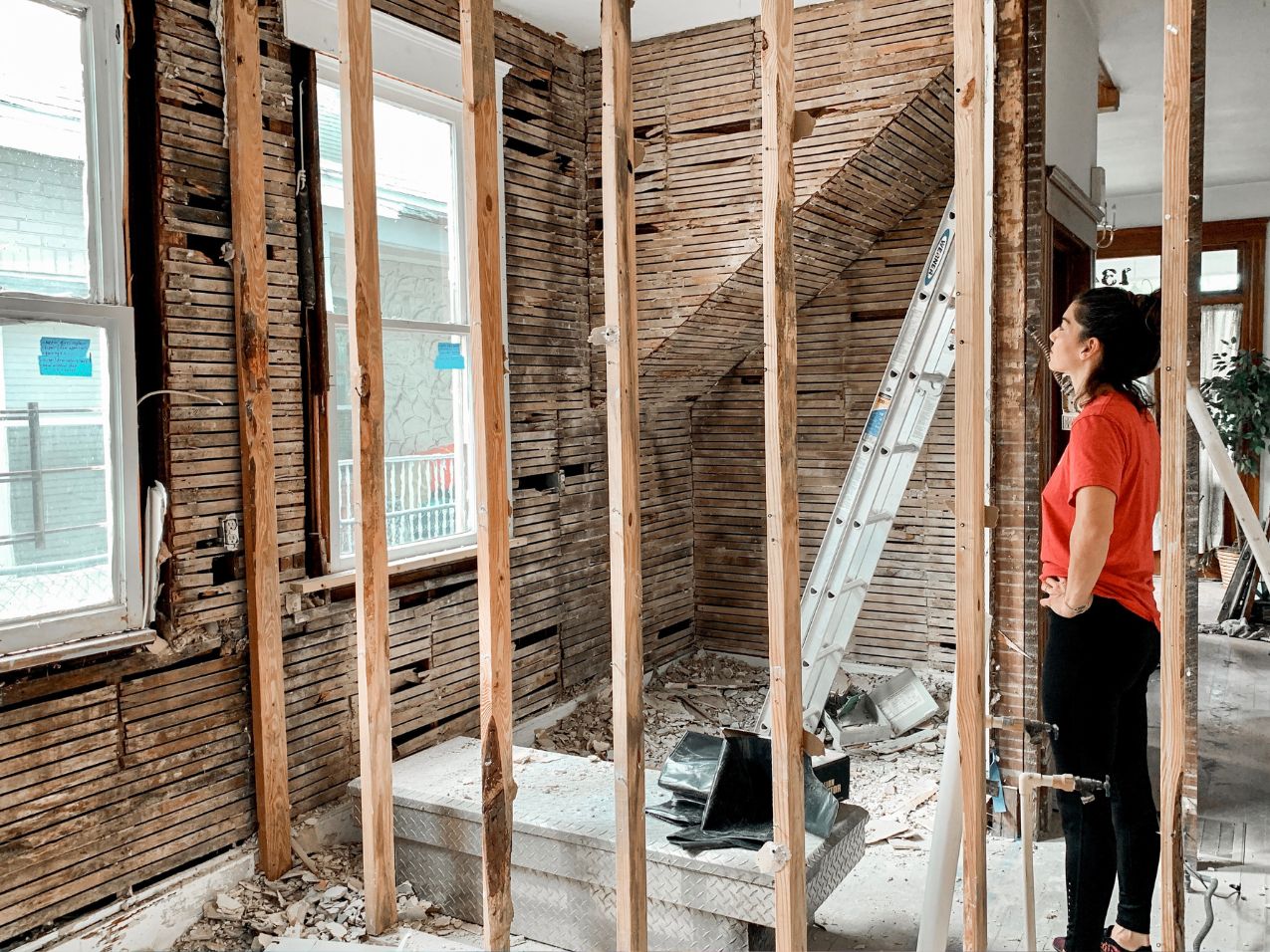
Managing the construction process involves overseeing the day-to-day operations, ensuring the project stays on track and meets the desired quality standards. Regular site visits are essential to monitor progress, address any concerns or issues promptly, and make important decisions. Effective communication with your construction team is vital to maintain a collaborative and efficient working relationship. You can choose whether you would like to be more or less involved in the construction or extension of your property. You don’t need to necessarily oversee everything on site yourself, and you can outsource this workload to a project lead. However, it’s still a good idea to make sure you’re having some degree of involvement in the project to make sure everything is going to plan.
Building Regulations and Inspections
Adhering to building regulations is crucial to ensure the safety and quality of your home. It’s essential to familiarise yourself with the specific regulations applicable to your project and incorporate them into your design and construction plans. Arrange for inspections at various stages of the construction process to ensure compliance with regulations and identify any necessary adjustments or improvements. Make sure to do your research or even seek professional advice to help make sure your project and the contractors you’re hiring are following rules and regulations. This will help to prevent any costly mistakes being made and delays to the timeframe of your project.
Considering Eco-Friendly Aspects Of Your Build
Incorporating energy-efficient and sustainable features into your home not only reduces its environmental impact but also provides long-term cost savings. Consider integrating renewable energy systems, such as solar panels or air source heat pumps, and efficient insulation. Although there might be an initial higher cost to having some eco-friendly options included in the design of your home, it could actually save you money in the long run on monthly bills. Try researching the different eco-friendly options for your home ahead of the construction process to decide which features you think would work best for your property. For example, the best home heating methods or water conservation.



This is something I can’t even begin to dream about as it’s so unrealistic of what we can ever afford. But it must be lovely for those who can and can customise everything to their liking