*This is a collaborative guest post.
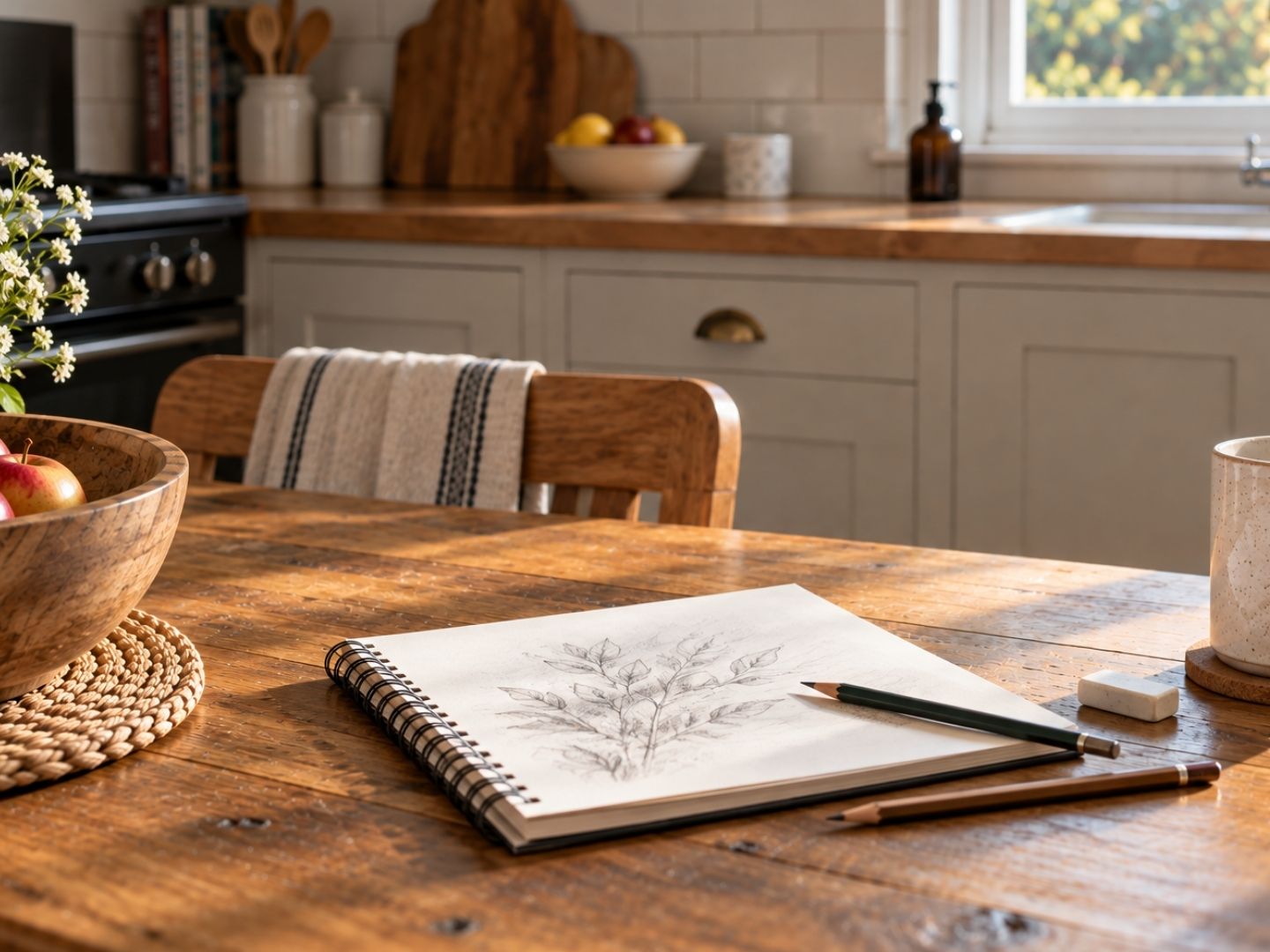
A half-finished painting propped against the fruit bowl is a familiar sight in many family homes, right? For so many of us, our creative pursuits happen in the margins of daily life. We squeeze them onto the corner of the kitchen table or spread them across the living room floor after the kids are in bed. But imagine having a dedicated space like a modern garden room. This constant cycle of setting up and packing away can turn a relaxing hobby into just another chore on the list. Carving out a permanent spot for your passion, no matter how small, isn’t a luxury; it’s a vital part of making time for yourself amidst the wonderful chaos of family life. It’s about creating a space where you can leave your project out, ready to be picked up the moment you find a spare ten minutes.
Where Do Hobbies Live in Your Home?
If you’re a parent, you probably feel like your hobby lives “everywhere and nowhere.” The dining table becomes a temporary sewing station, the sofa gets taken over for knitting, and the floor is the only spot big enough for laying out a dress pattern. We become experts at the quick tidy-up, sweeping our precious projects into boxes, bags, and cupboards the minute they’re not in use. This “hobby in a box” approach is practical, but it creates a barrier. The effort of unpacking everything can be enough to make you think, “I’ll just do it tomorrow.”
This constant moving around can slowly chip away at our enthusiasm. When your creative outlet has to compete for space with homework, dinner, and the daily household clutter, it often loses. But there are creative design solutions to help. Even minimalist hobbies that don’t need much equipment, like sketching or journaling, feel more intentional when they have a designated home. Having to clear a space before you can even begin adds a layer of mental friction that can be surprisingly draining. Finding a permanent home for your hobby, even a tiny one, sends a powerful message to yourself and your family: this matters, and I matter.
The Benefits of a Dedicated Nook
Claiming a corner of your home for your hobby does more than just save you the hassle of setting up and packing away. It creates a psychological shift. When you have a dedicated space, no matter how small, it acts as a mental cue. Sitting down at that specific desk or opening that particular cupboard signals to your brain that it’s time to switch off from parenting or work mode and enter your creative zone. This separation makes it easier to get into a state of flow and truly lose yourself in what you’re doing.
The practical advantages are clear. You can leave a project mid-stitch without worrying about it being disturbed. You can keep your supplies organised and accessible, instead of hunting through three different drawers to find the right colour of thread. This is especially true for shared pastimes; having a space for creative hobbies for couples means you can collaborate on a project without it taking over the entire house. Ultimately, a dedicated nook gives your hobby a sense of permanence and importance. It’s a physical reminder of your commitment to your own well-being and a sign that your interests deserve a place in your home and your life.
Discovering Your Ideal Creative Space
The first step is to look at your home with fresh eyes. Is there an unloved corner you could reclaim? An awkward alcove under the stairs, a section of the garage that’s only storing junk, or even the top of a wide chest of drawers could be transformed into a mini-studio. Think vertically: can you put up shelves above an existing piece of furniture to create storage for your supplies? The goal is to find a spot that you can realistically dedicate to your creative pursuits, a place you won’t have to clear off for another purpose every day. There are many fantastic hobbies to do at home that can be adapted to fit into even the smallest of spaces.
If finding a quiet corner inside feels impossible, it might be time to look outside. This provides a true escape where you can close the door on household chores and fully immerse yourself in your work, whether it’s painting, writing, pottery, or music. It creates a clear boundary between family life and personal time. Of course, this isn’t an option for everyone. A more modest but equally effective solution could be converting a garden shed. With some insulation, a lick of paint, and good lighting, even the most neglected shed can become a cosy and inspiring creative haven.
Organising for Creative Flow
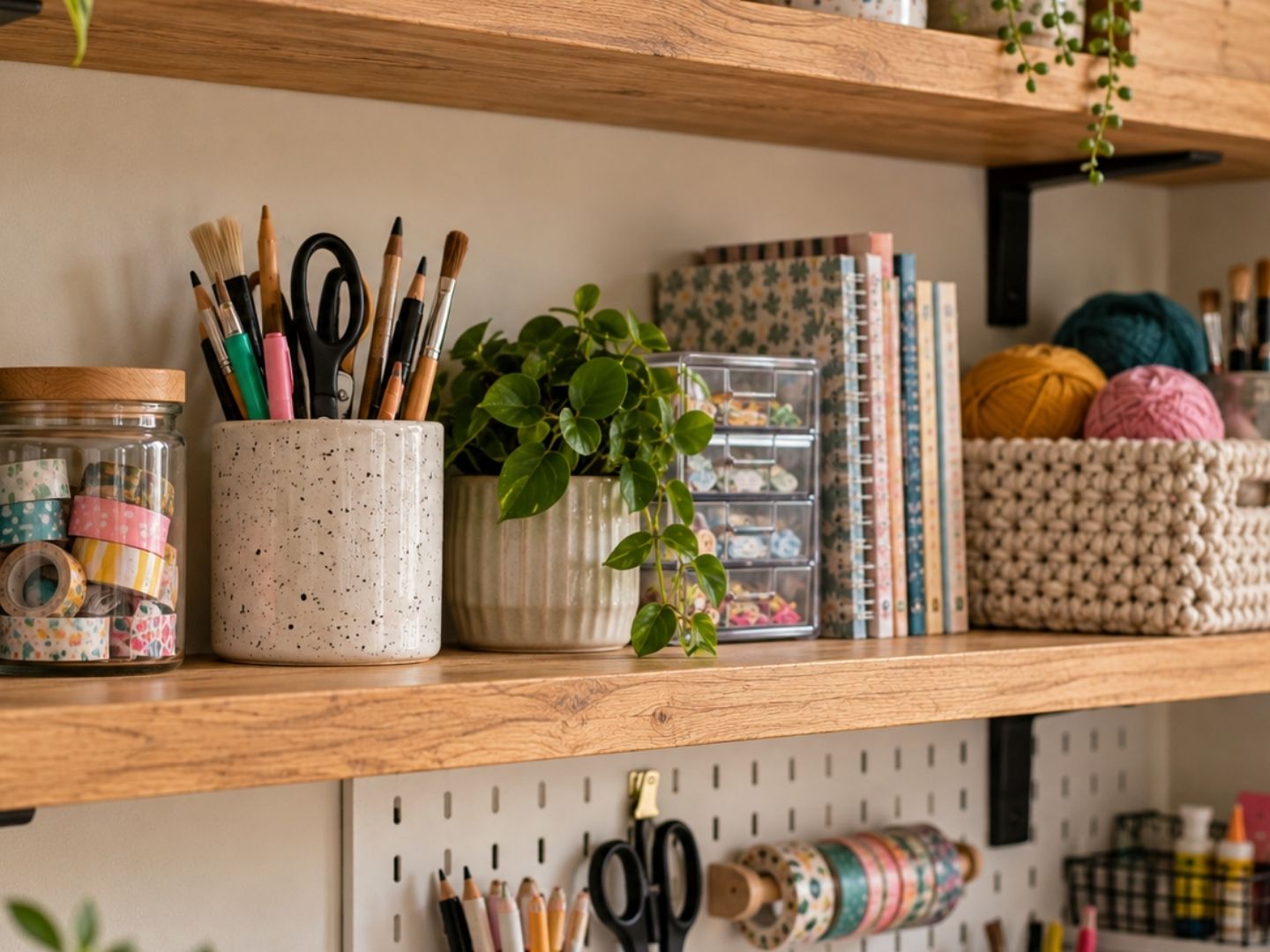
Once you’ve identified your space, setting it up for maximum creativity is the next crucial step. An organised space is an inviting space. The key is to make it as easy as possible to get started, removing any and all barriers that might stand between you and your hobby. Start with storage. Vertical space is your best friend, especially in smaller nooks. Think about installing shelves or a pegboard on the wall above your desk. Pegboards are incredibly versatile, allowing you to hang tools, pots for pens and brushes, and small shelves for paints or yarns.
Clear storage is another excellent tool. Using transparent boxes or jars for things like beads, buttons, or art supplies means you can see what you have at a glance, saving you from rummaging around. A set of drawers on wheels can be a brilliant addition, providing mobile storage that can be tucked under a desk or moved around as needed. Don’t forget about comfort and light. A good task lamp is essential to avoid eye strain, and a comfortable, supportive chair will make you want to spend more time in your creative corner. The aim is to create a space that feels not just functional but also inspiring and uniquely yours. Add a small plant, pin up some inspirational images, or simply arrange your materials in a way that looks beautiful to you.
Practical Tips for Any Home
What if you genuinely don’t have a spare corner, a shed, or the option of an extension? Don’t despair. You can still create a dedicated “space” without it being a permanent physical location. The solution is to think in terms of systems rather than structures. A “hobby trolley” is a fantastic option for those with limited room. A simple tiered trolley on wheels can be organised with all your supplies and wheeled out from a cupboard or the side of the room when you’re ready to get creative. When you’re finished, it can be easily tucked away again. Everything stays together and is ready to go at a moment’s notice.
Another clever idea is the “cloffice,” a closet office. A little-used wardrobe or a large cupboard can be converted into a fold-out creative station. Fitting a fold-down desk to the inside of the door or a deep shelf inside helps you create a workspace that completely disappears when you close the doors. This is perfect for hobbies that can get a bit messy, like painting or jewellery making. The most important tip, regardless of your setup, is communication. Let your family know that this trolley, this cupboard, or this two-hour slot on a Sunday afternoon is your dedicated time. Setting these gentle boundaries helps everyone in the family respect the importance of your creative outlet.
Claiming a space for your hobby is an act of self-care. It’s about more than just organisation; it’s about giving yourself permission to invest in the things that bring you joy and recharge your batteries. Start small by clearing one shelf or buying one storage box, and build from there. You deserve a corner of your world that is just for you.