
*This is a collaborative post.
Finding a dentist you genuinely trust is a big deal. You build rapport. You feel comfortable. You’re not nervous in the waiting room. So when you’re told you might need “specialist treatment,” the thought of going somewhere unfamiliar can feel less than ideal.
The good news? In many cases, you don’t have to choose between staying with the dentist you love and getting the advanced treatment you need. Dentistry has evolved, and so have the ways that practices access specialist-level care.
Here’s how it works.
1. Ask About In-House Advanced Treatments
Many modern dental practices now offer treatments that used to require referral elsewhere, including cosmetic procedures, dental implants, and clear aligners.
Technology has made it easier for general dentists to expand their skill set and bring more services under one roof. That means you may be able to have your treatment completed in the same comfortable environment, by a team you already know.
It’s always worth asking:
- Can this be done here?
- Do you have additional training in this area?
- What are my options?
You might be surprised by what’s available.
2. Benefit from Collaborative Care
Even when a case requires specialist input, your dentist doesn’t necessarily disappear from the picture. Many practices work closely with external specialists, sharing scans, X-rays, and treatment plans to ensure a seamless process.
This collaborative approach means:
- Your regular dentist stays informed
- Your overall dental history remains consistent
- You still have a familiar point of contact
It’s not about replacing your dentist; it’s about strengthening the team around you.
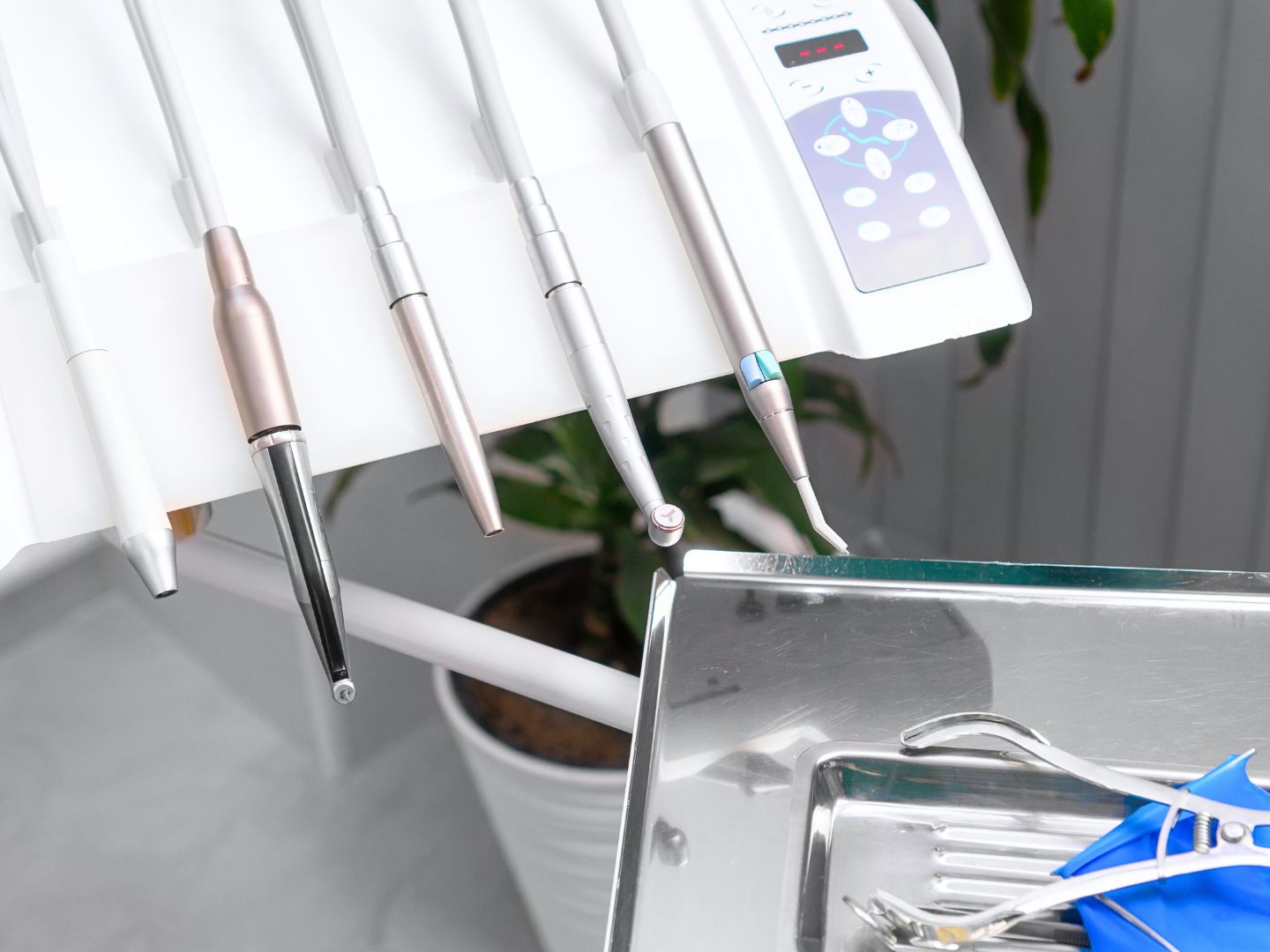
3. Digital Dentistry Is Changing Everything
One of the biggest reasons patients can now stay with their preferred dentist is digital innovation. With advanced scanning, 3D imaging, and laboratory collaboration tools, dentists can plan and deliver more complex treatments with precision. In fact, many dental professionals now work with digital platforms that give them access to techniques, workflows, and equipment they may not have been familiar with previously.
For example, dentists can explore solutions and resources through platforms like godigital-dental.com. These kinds of services provide access to digital systems, specialist-level workflows, and modern equipment guidance, helping practices expand what they can confidently offer their patients.
In practical terms, that can mean:
- More treatments become available at your regular clinic
- Faster turnaround times
- Improved accuracy and results
All without you having to start from scratch somewhere new.
4. Short-Term Referrals, Long-Term Relationships
If you do need to see a specialist in person, it’s often only for a specific part of the treatment. Once that stage is complete, you return to your regular dentist for ongoing care and follow-ups. Think of it like being referred to a consultant in healthcare; it’s targeted, not permanent.
Your trusted dentist remains your primary provider, overseeing your long-term oral health.
5. Talk Openly About Your Preferences
If staying with your dentist matters to you, say so. Most dental professionals understand how important comfort and continuity are. They’ll usually do everything they can to either provide treatment in-house or make any necessary referrals as smoothly and reassuringly as possible.
You’re not being difficult; you’re advocating for your comfort.
Keeping the Care You Trust
Dentistry today is far more connected, digital, and collaborative than it used to be. That means you often don’t have to choose between advanced specialist treatment and the dentist who already knows your history, your concerns, and your smile.
With modern technology, professional networks, and platforms supporting practices behind the scenes, your favorite dentist may be better equipped than ever to help you, even with more complex treatments.






I did my invisalign treatment via my dentist and it was so convenient!