
*This is a collaborative post.
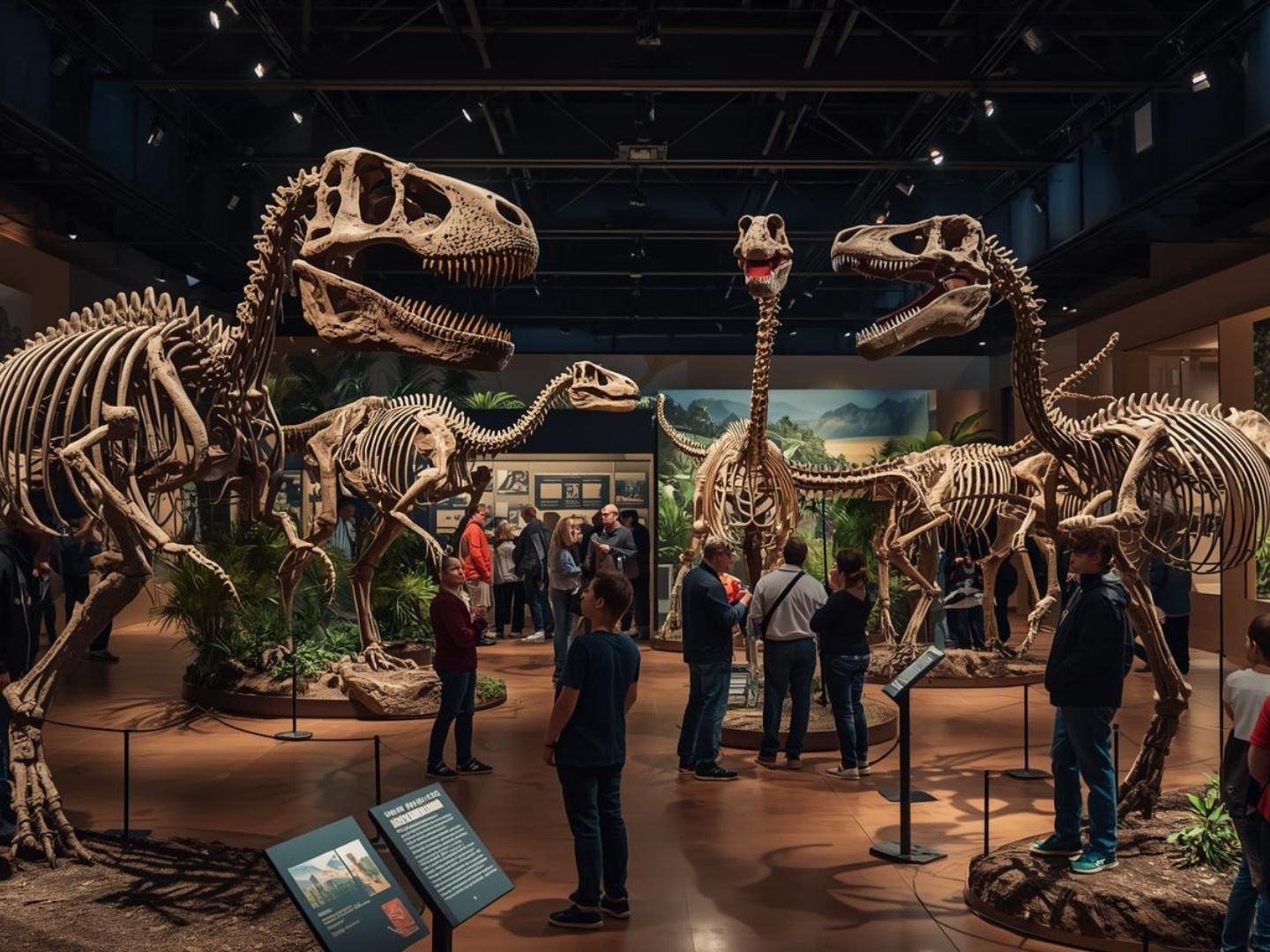
There’s a special kind of wonder in seeing the past come to life. After years of virtual distractions, families are returning to real-world experiences that mix excitement with education. Dinosaur parks are roaring back, literally. The modern animatronic Tyrannosaurus has transformed these spaces into living worlds where curiosity and science collide.
Across the globe, attendance at natural history and science attractions is climbing again. Parents are trading screen time for shared adventures, and kids are rediscovering the thrill of standing face-to-face with creatures that once ruled the Earth. The day the dinosaur park “came alive again” marks the moment when learning and imagination met in the same place.
The Return of Prehistoric Magic
The appeal of dinosaurs never really disappeared, but technology has revived it. From museums to open-air parks, attractions now combine robotics, lighting, and storytelling to deliver full-body experiences. When an animatronic tyrannosaurus blinks or exhales a cloud of mist, visitors don’t just watch and feel part of the scene.
This comeback represents a shift in family recreation. People want interactive, educational, and emotionally engaging spaces. Dinosaur parks offer all three, making them one of the fastest-growing segments in experiential education worldwide.
From Static Displays to Living Worlds
Early exhibits offered little movement or sound, just fossils and plaques. Today’s parks choreograph light, motion, and sound to simulate real ecosystems. Advanced servos and show-control systems make a life-size animatronic tyrannosaurus sway, breathe, and roar with convincing realism.
Projection mapping, fog effects, and spatial audio enhance the illusion. Families wander through immersive zones that transport them to the Jurassic era. These experiences blur the line between science and storytelling, helping visitors grasp scale, behavior, and habitat in a way textbooks never could.
The Psychology of Dinosaur Fascination
Children’s fascination with dinosaurs isn’t just a phase, it’s a developmental advantage. Studies show that “intense interests” in topics like dinosaurs can improve persistence, focus, and information retention. A park visit builds on that curiosity, allowing kids to test theories and explore on their own terms.
For families, dinosaurs open doors to bigger questions about evolution, extinction, and the planet’s history. Seeing a moving, roaring animatronic tyrannosaurus makes abstract scientific concepts come alive. Shared curiosity becomes the foundation for lifelong learning.
Safe, Accessible, and Designed for Everyone
Modern dinosaur parks are engineered for both thrill and safety. Strong barriers, dedicated walkways, and controlled crowd flows keep guests comfortable around large animatronic figures. Many sites also publish maintenance and inspection data to build visitor confidence.
Accessibility is now part of design from the start. Sensory-friendly hours, stroller-friendly paths, and shaded rest zones make these parks welcoming to everyone. Some even feature quieter routes for visitors who prefer less stimulation, proving that inclusivity and adventure can coexist beautifully.
The Power of Play-Based Learning
Learning in today’s parks is interactive and active. Instead of reading signs, kids dig for fossils, touch textured models, and attend ranger-led “prehistoric labs.” These tactile moments connect physical movement with memory formation, turning fun into genuine education.
Curriculum-aligned activities help reinforce what students learn in school—geologic eras, climate shifts, and animal adaptation. Through role play and exploration, families witness science in action and leave with stories, not just souvenirs.
The Technology Behind the Roar
The realism of the animatronics depends on an orchestra of engineering and design. Lightweight frames support pneumatic and hydraulic systems that replicate the muscle weight and motion of real animals. Beneath silicone “skin,” micro-processors coordinate tiny servo motors that control each blink, tail swing, and growl.
Layered soundscapes and synchronized lighting seal the illusion. Some models even feature responsive sensors that detect audience movement and react to it, creating interactive encounters. Combined with augmented-reality (AR) overlays, these elements make the dinosaurs feel astonishingly alive.
Immersive Storytelling for All Ages
Every successful park tells a story. Guests follow a timeline that leads from the Triassic to the Cretaceous, with evolving environments, climate effects, and soundscapes. A dramatic entrance through fog gives way to roaring predators, while calm valleys teach about herbivores and ancient plants.
This storytelling format keeps guests moving and engaged. Each step becomes part of a narrative, and every encounter with an animatronic feels like a chapter in a much larger book about Earth’s history.
Planning Your Visit
Making the most of a dinosaur park visit starts with preparation. Check official websites for schedules, accessibility information, and weather updates. Early arrival often means cooler temperatures and smaller crowds.
Bring water, sun protection, and comfortable shoes. Alternate between high-energy attractions like the roaring animatronic Tyrannosaurus and quieter activities such as fossil digs or art workshops. Ending the day with a night-trail or illuminated show creates the perfect finale to a prehistoric adventure.
The Educational Ripple Effect
The influence of dinosaur parks often extends far beyond the visit itself. Teachers use the experience to inspire essays, drawings, and science projects. Parents notice that their children talk more about natural history, ask deeper questions, and develop empathy for animals and ecosystems.
By transforming learning into an adventure, these parks spark curiosity that continues long after families have left the gates. They remind us that true education happens when wonder and understanding meet.
The Future of Living Exhibits
As technology evolves, so will dinosaur parks. Advances in AI, haptic feedback, and virtual reality promise even deeper immersion. Imagine a animatronic tyrannosaurus that adapts its behavior based on crowd reactions or a mixed-reality headset showing an entire herd roaming across digital plains.
But innovation will always serve a single purpose: connecting people to the story of life on Earth. As long as that mission remains, dinosaur parks will continue to thrive, not as theme parks, but as portals to discovery.
Final Thoughts
The day the dinosaur park came alive again isn’t a single moment; it’s happening every day. Every roar, every wide-eyed gasp, every question that begins with “How?” marks a small victory for curiosity. These parks prove that learning doesn’t have to be quiet or confined to classrooms; it can move, breathe, and even roar.
When families gather around a towering animatronic tyrannosaurus, they’re not just seeing a replica of the past, they’re witnessing the power of imagination, science, and design to bring history to life. In an age dominated by screens, the return of the dinosaur park is a joyful reminder that wonder still thrives in the real world.




Arlo loves dinosaurs. He can tell you all the names and facts and figures about them and would enjoy a visit to a dinosaur park
Interesting
parks can be educational and fun! just watch out for any dinosaurs coming alive….
I need to find somewhere like this to take my 19 month old son. He is OBSESSED
really interesting, thank you
this looks amazing
Dinosaur parks are really fun!
Dinosaurs are so interesting! My family likes visit museums and learn more about all the different dinosaurs.