
*This is a collaborative post.
Fentanyl is one of the most dangerous opioids in the world today. Originally developed to treat severe pain, it is now often found in illegal drug supplies. Because it is 50 to 100 times stronger than morphine, even a tiny amount can lead to overdose. Tragically, many people do not know they are taking fentanyl because it is often mixed with heroin, cocaine, or counterfeit pills.
The good news is that overdoses can be prevented with knowledge, preparation, and quick action. This guide explains how to recognize the signs of a fentanyl overdose, how to respond safely, and what resources are available for support.
The Scope of the Fentanyl Crisis
Fentanyl has fueled a deadly wave of overdoses worldwide. In the United States alone, the Centers for Disease Control and Prevention (CDC) reported that over 73,000 overdose deaths in 2022 involved synthetic opioids like fentanyl【CDC, 2023】. This means fentanyl is now the leading cause of opioid-related deaths.
The risk is especially high because fentanyl is often hidden in drugs sold on the street, leaving people unaware of the danger.
Signs of a Fentanyl Overdose
Recognizing an overdose quickly can save a life. Common signs include:
- Extreme sleepiness or unresponsiveness (cannot be woken up)
- Slow or shallow breathing (gasping, snoring, or no breathing at all)
- Blue or gray lips, fingertips, or skin
- Pinpoint pupils (very small, constricted pupils)
- Cold, clammy skin
- Loss of consciousness or inability to talk
Because fentanyl acts so quickly, overdoses can happen within minutes. Immediate response is critical.
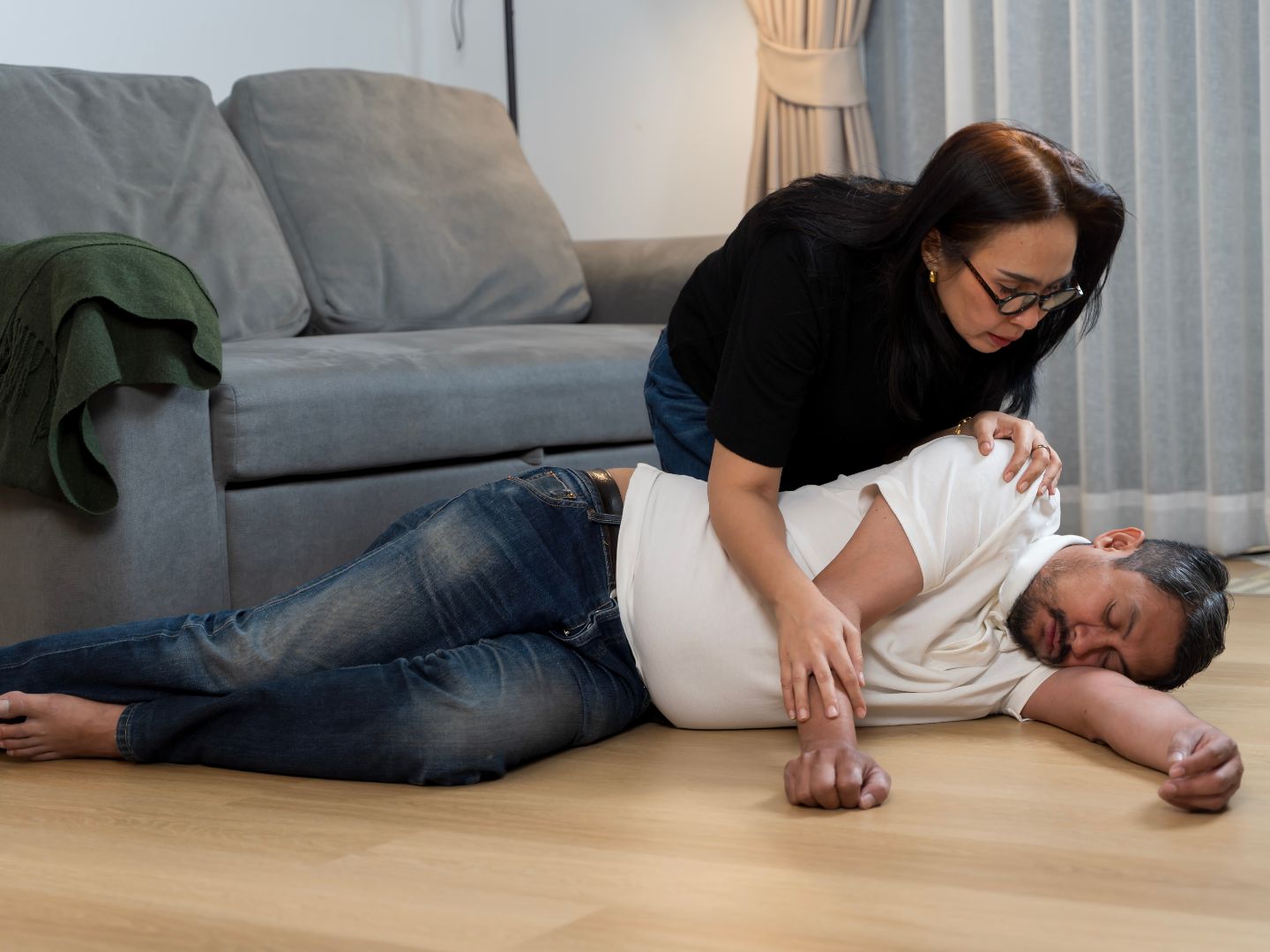
How to Respond to a Fentanyl Overdose
If you suspect someone has overdosed:
1. Call for Emergency Help
Dial 911 immediately. Tell responders it may be an opioid overdose. Quick medical care can make the difference between life and death.
2. Administer Naloxone (Narcan)
- Naloxone is a medication that can reverse an opioid overdose.
- It is available as a nasal spray (Narcan) or injectable.
- If available, give one dose right away. If the person does not respond within 2–3 minutes, give a second dose.
- Always stay with the person until medical help arrives.
The CDC recommends making naloxone widely available, especially for people at risk of opioid overdose【CDC, 2023】.
3. Provide Rescue Breathing or CPR if Needed
- If the person is not breathing, begin rescue breathing.
- If you are trained in CPR, start chest compressions if there is no pulse.
4. Stay With the Person
Even if they wake up, they can relapse into overdose because fentanyl lasts longer than naloxone. Continue monitoring until emergency services arrive.
Prevention: Reducing Overdose Risk
The best way to prevent overdose is to avoid using fentanyl. For people struggling with opioid use, harm reduction strategies can help reduce risk.
1. Carry Naloxone
Friends, family, and anyone at risk should have naloxone available. In many states, you can get it from a pharmacy without a prescription.
2. Test for Fentanyl
Fentanyl test strips can detect the presence of fentanyl in drugs. While not 100% accurate, they can provide life-saving information.
3. Never Use Alone
If using drugs, avoid doing so alone. Having someone nearby increases the chance of survival if an overdose occurs.
4. Start with a Small Amount
If unsure whether a drug contains fentanyl, starting with a small amount lowers the risk of immediate overdose.
5. Seek Professional Help
The most effective way to prevent overdose is to seek treatment for opioid addiction. Medication-Assisted Treatment (MAT) with methadone, buprenorphine, or naltrexone can reduce cravings and lower overdose risk.

Long-Term Resources for Recovery
Medication-Assisted Treatment (MAT)
MAT combines medications with therapy and is considered the gold standard for opioid addiction treatment. According to the Substance Abuse and Mental Health Services Administration (SAMHSA), MAT improves survival rates and helps people stay in recovery【SAMHSA, 2021】.
Rehab and Counseling
- Inpatient rehab: Provides 24/7 care in a supportive environment.
- Outpatient programs: Allow individuals to receive therapy while continuing daily responsibilities.
- Cognitive Behavioral Therapy (CBT): Helps change thought patterns that fuel addiction.
Support Groups
- Narcotics Anonymous (NA): A 12-step program for people in recovery.
- SMART Recovery: Focuses on self-management and coping skills.
Family Support
Groups like Al-Anon provide education and support for loved ones affected by addiction.
When to Seek Immediate Help
Seek professional help right away if:
- You or someone you know is using fentanyl or other opioids regularly
- Overdose symptoms appear (slow breathing, unconsciousness, blue lips)
- You struggle to stop using despite negative consequences
- Cravings or withdrawal symptoms make quitting feel impossible
In the U.S., you can call SAMHSA’s Helpline at 1-800-662-4357 for confidential treatment referrals. If someone is overdosing, call 911 immediately.
Final Thoughts
Fentanyl overdose is one of the most urgent public health crises today. Because it is so potent and often hidden in other drugs, overdoses can happen quickly and without warning.
The keys to prevention are awareness, preparedness, and quick action. Recognizing the signs of overdose, carrying naloxone, and seeking long-term treatment can save lives.