
*This is a collaborative post.
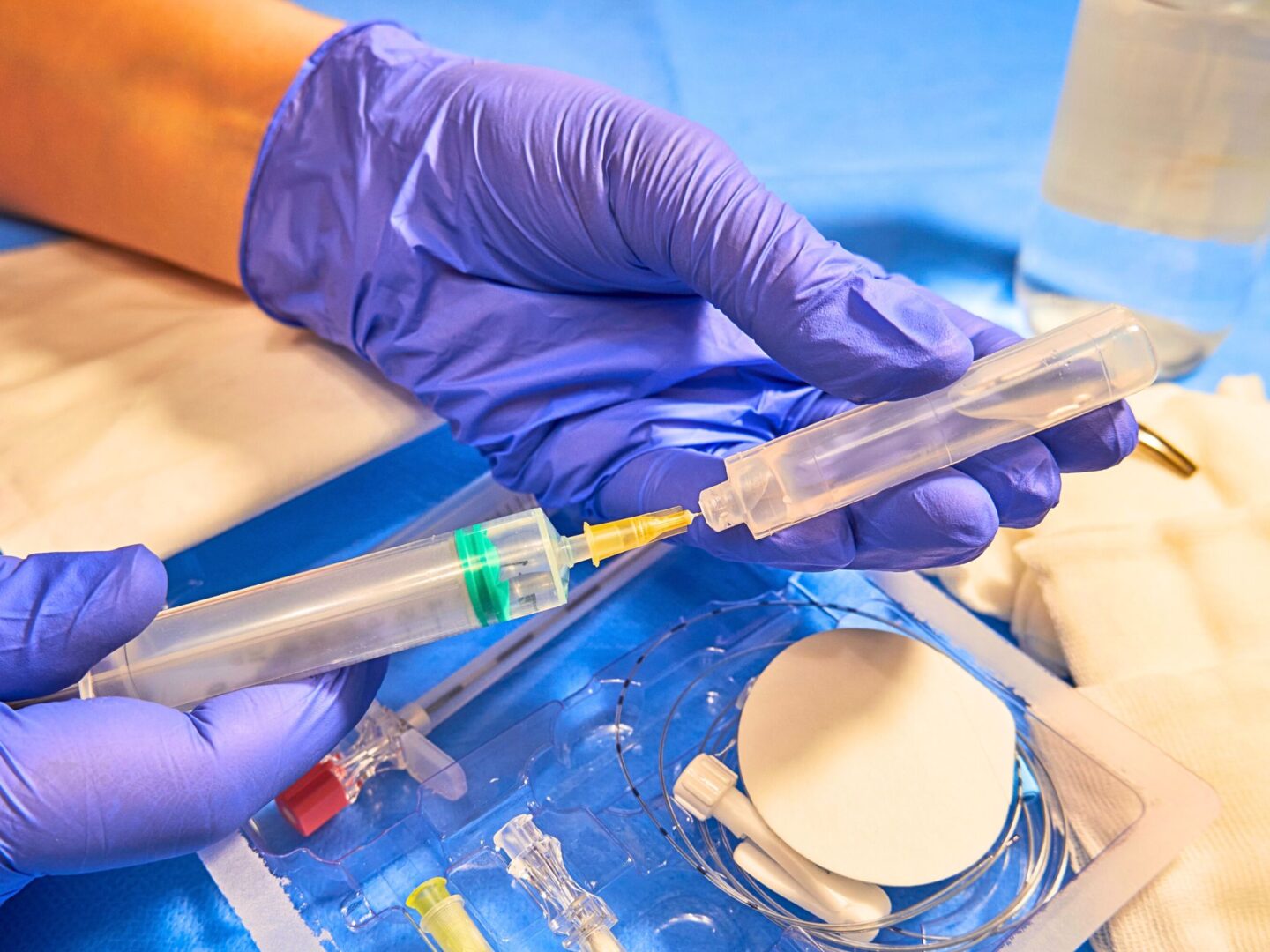
Childbirth is different for everyone. While many mothers deliver naturally, others may need extra help managing the pain. That’s where an epidural comes in. It’s one of the most common types of pain relief used during labour. It is a regional anesthesia that is given through a catheter, inserted into the lower back.
This is the most common pain relief method used for women during labour. Epidurals are a combination of a local anaesthetic, like bupivacaine or ropivacaine, with a small dose of opioid, such as fentanyl. If you are an expecting mother or partner, here is everything you need to know about epidurals and recovery.
Benefits of Epidurals
Epidurals are a great way to relieve painful labour when it becomes unbearable for the expectant mother. Here are some of the benefits of using epidurals.
Pain Relief
Epidurals are a powerful pain relief that eliminates almost all traces of pain from childbirth. This allows mothers to remain awake and alert during labor. It makes labor easier for the mother and may lead to a shorter delivery time.
Baby Safety
The procedure is safe for your baby because only a small amount of the medication enters your bloodstream. This reduces the risk to your baby to a minimum and almost non-existent level.
Flexibility
The dose can be adjusted according to the mother’s needs during labour. This flexibility allows doctors to address the mother’s pain in real time.
Cesarean Rates
There is no correlation between the use of epidurals and increased cesarean rates. Therefore, there is no risk of a Cesarean delivery or fetal distress if appropriately managed.
Risks and Side Effects
While the epidural procedure is relatively safe, it is not without its risks and side effects. Here are some of the side effects associated with the procedure:
- Soreness at the injection site is common but temporary and lasts a few days.
- Fever might occur, but it’s usually brief and treated easily.
- Difficulty urinating may occur because of the temporary numbness caused by the anesthetic.
- The opioid present in the epidural can cause nausea and itching.
- Maternal hypotension is possible, but it is a rare side effect and is resolved with monitoring and treatment.
- Epidurals may provide incomplete relief for a few mothers who undergo the procedure. These patients may require further pain management.
Recovery After an Epidural
After the epidural procedure is complete, it is time for the recovery phase. The recovery process helps prevent an epidural injury and includes:
Physical Recovery
Normal sensation is typically restored after about one hour from the completion of the procedure. Soreness at the injection point is common but fades after a few days.
Movement
The epidural procedure does not worsen physical recovery after childbirth. Mothers who did or did not undergo epidurals recover at the same pace physically. Mobility and fatigue are overcome with time.
Back Pain
Temporary back pain is common at the injection site, but it does not last long. Chronic back pain after the procedure is caused by other complications and physical changes caused by the pregnancy.
Bladder Control
As the epidural wears off, you will find it easier to urinate. The numbness caused by the epidural makes urinating harder.
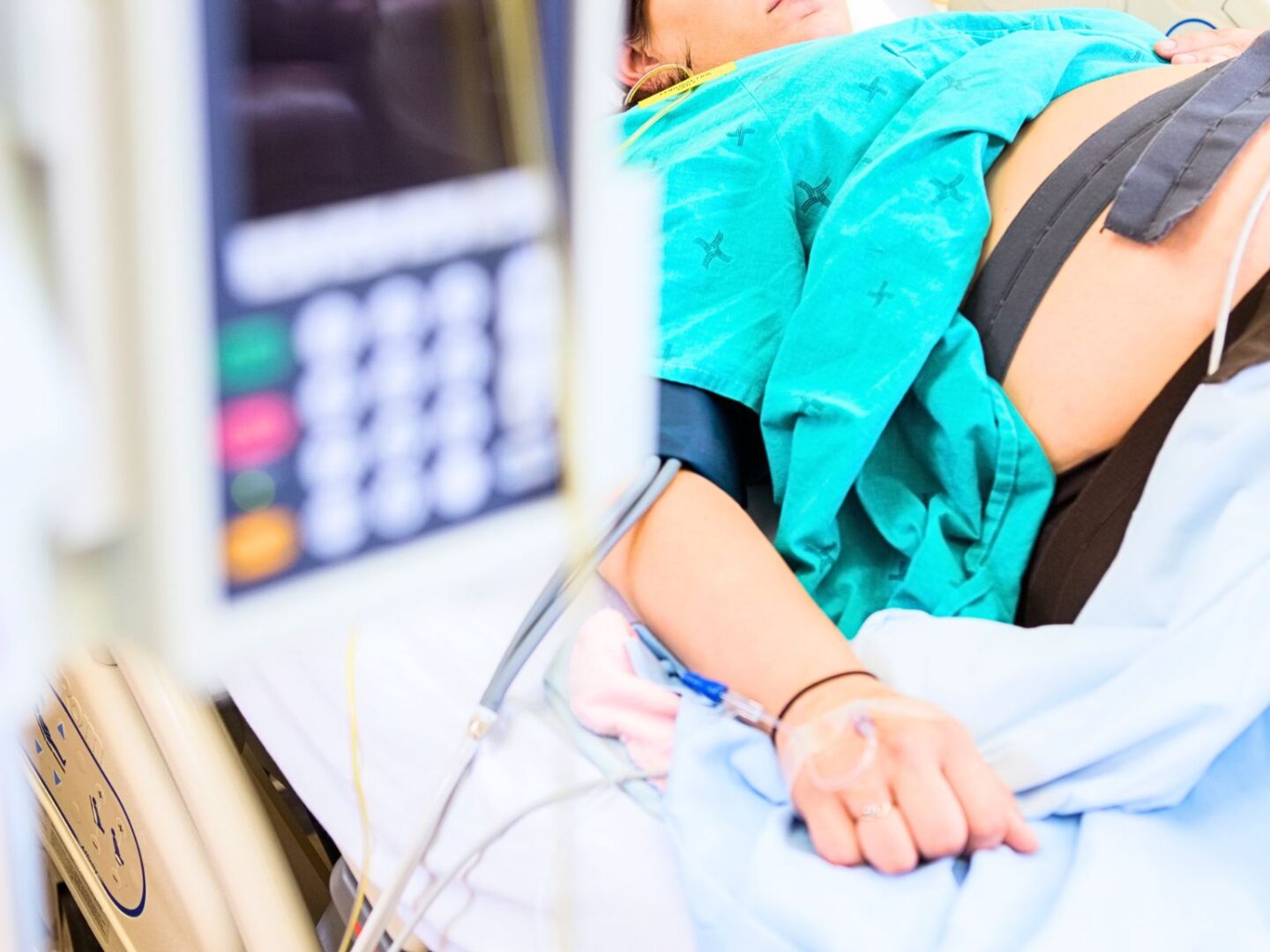
The epidural process is a great option for mothers who are in unbearable pain during childbirth. While the process is safe, there are benefits, risks, and postpartum recovery steps you must take to get the most out of it. Ensure you discuss with your doctor and understand all your options before you decide on the procedure. You should also ensure that your insurance covers the procedure, so you do not pay out of pocket.





My epidural actually helped me NOT need a c-section– twice! My labor was not progressing at all and my doctor had scheduled me a c-section but since I had been in labor for over 20 hours at that point suggested I get an epidural and get some sleep. I was going to need an epidural/anesthetic for the c-section anyway so I went ahead and followed her advice. That epidural helped me relax enough for my body to finally go into real labor and continue on with a vaginal delivery. But after delivering my placenta would not release and I needed an emergency D&C and I was told by two different doctors that I would have needed a c-section if I had not already had an epidural since they were able to act quickly before my cervix closed and yet still have some pain management (it was not nearly enough by my standards!). But after all that with my first son I had zero qualms about asking for pain meds with my next two deliveries.
I had an epidural with my first son and it definitely worked!