
*This is a collaborative post.
Raising a child with autism can be tough and exhausting but it is all kinds of amazing at the same time!
Autism, often referred to as a spectrum, affects every child differently, making it essential for parents to understand their child’s specific needs. From communication difficulties to sensory sensitivities, autistic children require personalised support and a nurturing environment to help them reach their full potential.
Fortunately, many resources, therapies and strategies are available to guide parents of children with autism. Here are a few useful pointers on how you can best support your child’s development and social skills.
Understanding Autism and ABA Therapy Programs
Autism refers to a variety of developmental challenges that impact how people interact socially, communicate and behave. After receiving an autism diagnosis for your child, getting timely intervention is usually the most beneficial step.
ABA therapy programs, speech therapy and occupational therapy aim to boost communication abilities, develop social skills and enhance sensory processing. These therapies are tailored to meet your child’s specific needs, fostering individualised learning and helping them navigate challenges more effectively.
Creating a Supportive Environment
Here are some tips for creating a supportive space for your child that boosts their sense of security and confidence:
1. Establish Routine and Structure
Children with autism spectrum disorders often thrive with consistency because having a predictable routine helps reduce their anxiety and creates a sense of security. As such, parents and caregivers must incorporate special education strategies at home, like using visual schedules and social stories to teach daily activities.
2. Encourage Communication
It’s essential to teach communication skills and encourage self-expression to children with autism, especially those with limited verbal abilities. To do so, you can use tools like visual aids, sign language, or apps that assist with nonverbal cues. Meanwhile, teaming up with a language therapist can help them improve their understanding and show emotions through facial expressions and eye contact.
3. Foster Social Skills Through Positive Reinforcement
Some children with autism may find it challenging to build social skills, such as making eye contact and recognizing nonverbal cues. To make the learning process enjoyable and effective, you can use positive reinforcement by rewarding progress with praise or small incentives. You can also practice social interactions by joining local support groups or participating in community activities.
A nurturing environment, paired with patience and positive reinforcement, empowers your child to thrive and embrace new challenges. You can start by making minor transformations in your daily habits that can create an environment where your child feels supported and understood.
Read about my Son’s Autism Diagnosis Here.
Exploring Therapeutic Options
Autistic children often benefit from a combination of therapies tailored to their needs.
- Speech Therapy: Helps improve communication skills, including understanding and using language effectively.
- Occupational Therapy: Focuses on sensory integration, motor skills, and daily life activities.
- Behavior Therapy: Programs like ABA help children learn new skills and cope with challenges.
- Physical Therapy: Enhances coordination and addresses motor skill delays.
To help your child manage sensory processing difficulties, incorporate sensory activities, such as playing with textured toys or using calming tools like weighted blankets.

Building a Strong Support Network
Raising a child with ASD requires a collaborative approach. For instance, you can engage family members in your child’s development by sharing strategies and fostering patience and understanding. You can also connect with other parents who share similar experiences. These communities offer resources, encouragement, and practical advice for navigating the challenges of autism parenting.
Prioritising Self-Care and Advocacy
Taking care of yourself is just as important as caring for your child. Managing stress, maintaining your health, and seeking emotional support when needed will help you stay resilient. Additionally, advocate for your child’s needs in schools and community programs, ensuring they receive the special education and individualized support they deserve.
Encouraging Growth and Development
Introducing your child to new activities and opportunities fosters confidence and independence. Celebrate small milestones and progress.
Give your child opportunities to make choices, such as picking their outfit for the day or deciding between two snacks. Gradually introduce more complex decisions as they grow more comfortable, fostering their ability to think independently and handle new situations.
You can also help your child learn essential life skills by getting them involved in daily activities like setting the table, folding clothes or making easy meals. Use patience and encouragement as they learn, and provide step-by-step guidance to ensure they feel successful. Over time, these skills will help them build confidence and independence in managing daily responsibilities.
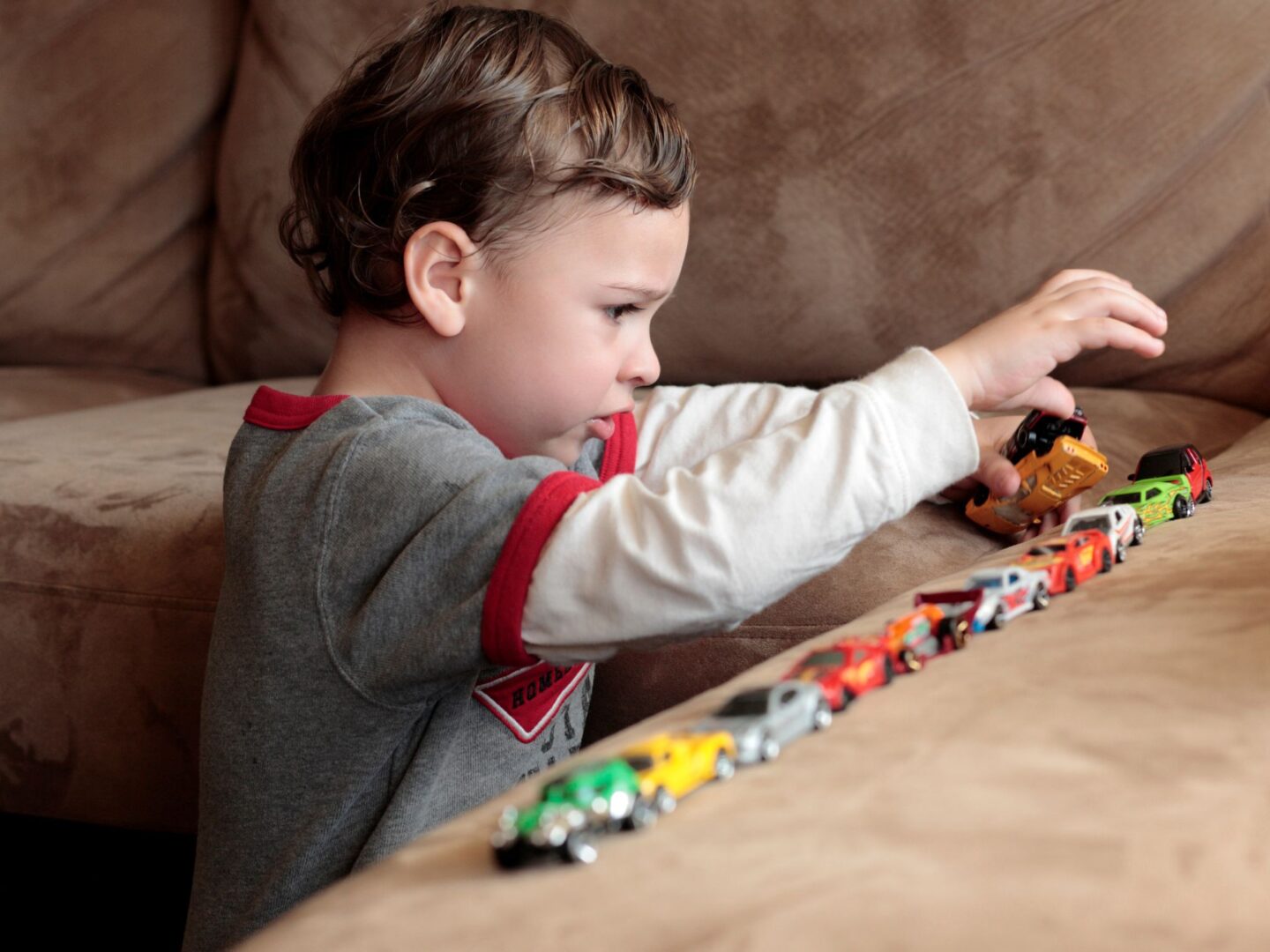
Your Child Will Flourish In Their Own Time At A Pace That Suits Them
As you care for your child with autism, remember that the love and patience you show, will help them build confidence that they can use as they grow up and navigate life independently. Also, you don’t have to do it all alone! You can lean on resources like therapy, local support groups and other organisations to gain the tools and knowledge you need to meet your child’s needs. Most importantly, celebrate every milestone, no matter how small!


It’s so good that there is now diagnosis, support and development for children on the spectrum. When I was growing up, those children were neither diagnosed nor supported.
Great tips
Lots of good tips