
*This is a collaborative post.
Brisbane boasts a wide network of roads across various landscapes and urban environments. As a new driver, Brisbane has all the road infrastructure you’d need to become more confident behind the wheel.
With that said, you’ll still need to acquire some technical knowledge before you can become fully licensed and ready for the roads. Acquiring this information can be a time-consuming process and you’ll have to undergo many hours of training, both technical and practical to get to that level.
A significant part of your journey toward becoming a skilled driver will take place during your first year of practice. You may or may not encounter some hiccups along the way as a new driver, that’s normal. However, it’s in your best interest to minimise these roadblocks and get yourself to a better level of experience sooner rather than later.
If you’re in the process of learning the ropes of driving, we’ll help you out. This article will lay out some tips to help you become a more responsible driver in Brisbane.
1. Know Brisbane Road Signages
Brisbane, just like much of Australia, has road signages and rules that you should acquaint yourself with before you get behind the wheel.
For instance, regulatory signs like Give Way and Stop are common all throughout Australian cities, particularly around city roads and intersections. Advisory signs that depict wild animals like kangaroos are also signs you may find in more rural areas of the Queensland territory. Hazard signs and route markers help you safely navigate the road to get to your destination.
A lot of these road rules are standardised and can be found throughout Australia, however, there are also some signs that are specifically found in Brisbane. For instance, Brisbane has digital signages in flood-prone areas to notify drivers of live flood updates in certain areas. This is because this city is located on a floodplain—whereas most major cities in Australia aren’t.
Knowing both local and standardised signages is essential for safe driving and something you can learn by taking comprehensive private driving lessons, such as Brisbane driving lessons with EZLicence. This path allows you to receive professional guidance from a trained expert who knows the lay of the land, helping you build the skills and confidence needed to excel in your driving exam.
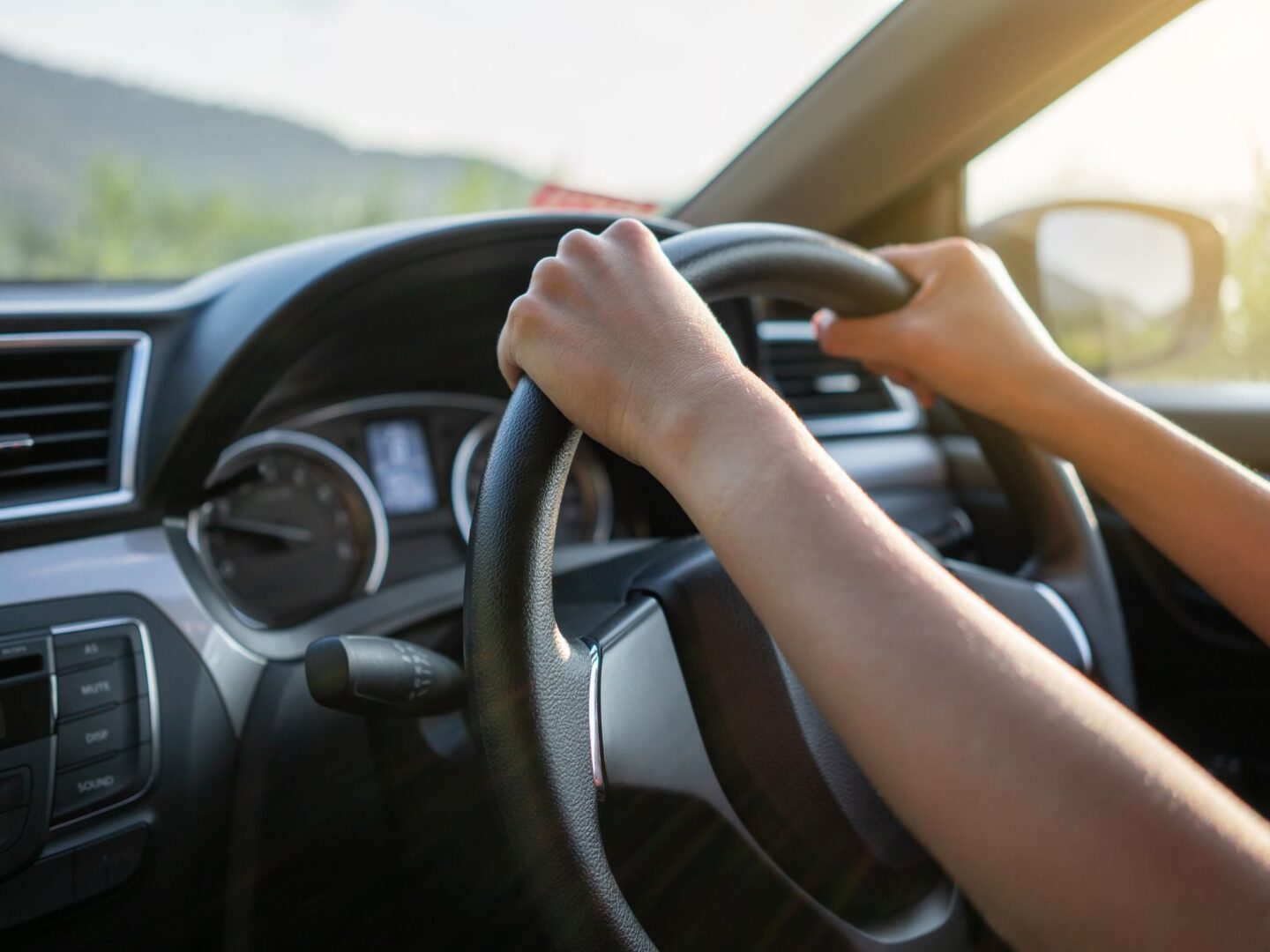
2. Master The Art Of Parking
Another crucial thing you must learn how to do as a new driver is learning how to park.
Parking mastery is something that a lot of new drivers struggle with, and this is more prominent in Brisbane where there are a lot of narrow roads and a heightened need to parallel park in certain roadside areas of the city.
Mastering parking is achievable given some time, patience and guidance. If you’re totally new, you can start simply by reverse parking in an open parking lot without a lot of cars. Use your side mirrors or rear-view cameras for added guidance. Repeat the parking process until you’re familiar with reversing your car into the painted parking lines.
Once you feel like you have a hang of it, then you can move on towards busier neighbourhoods and streets and manoeuvre your vehicle to a parking spot there. Of course, you must be accompanied by a person with a driver’s license who’s willing to guide you to park properly.
Parking in central Brisbane is often a challenge, especially during busy periods such as working hours. Fortunately, you can download parking apps to assist you when looking for and paying for a parking spot in Brisbane, such as CellOPark and Parkable.
3. Use a GPS Navigation App
If you plan to drive along unfamiliar roads or through busy periods in Brisbane, a GPS navigation app can be a godsend.
Apps like Google Maps and Waze remove the mental strain of navigating through unfamiliar roads. They also help you efficiently get to your destination by recommending routes with less traffic.
Furthermore, you can also alter the points in real time, or add multiple stops between points. This flexibility makes it easier for you to plan routes without worrying whether a road is closed or not.
Ideally, you should have a phone mount on your car’s dashboard to have easy access to your navigation system as you drive. This setup ensures safer navigation while keeping your hands free and your eyes on head level.
4. Learn Driving Etiquette
Another important thing drivers should consider is etiquette while on the road. Naturally, you’re not the only driver on any given road network, and you want to ensure that you won’t collide or end up in a collision course with another driver.
Furthermore, you also want to ensure that every driver is comfortable on the road. This way, the roads will be a smoother and more predictable space for everyone to navigate.
There are several norms you must strive to abide by. In Brisbane and much of Australia, it’s essential to yield and give right of way to the driver who’s already on the road. In busy roads, cars about to turn in a lane must do so after at least a three-second interval has passed.
It’s also important to signal the intent to turn (or where to turn if you’re driving around a roundabout) with turn lights. You should also maintain a consistent speed as much as possible and not brake suddenly, especially if a car is maintaining its distance behind you.
Communicating with other drivers through lights and gentle honks doesn’t only help these drivers, but it also helps you as you’re making it less likely to end up in a collision course. As much as possible, refrain from putting other drivers in the position to need to respond to your erratic driving behaviour with any unpredictable movements.
5. Mind The Weather Conditions
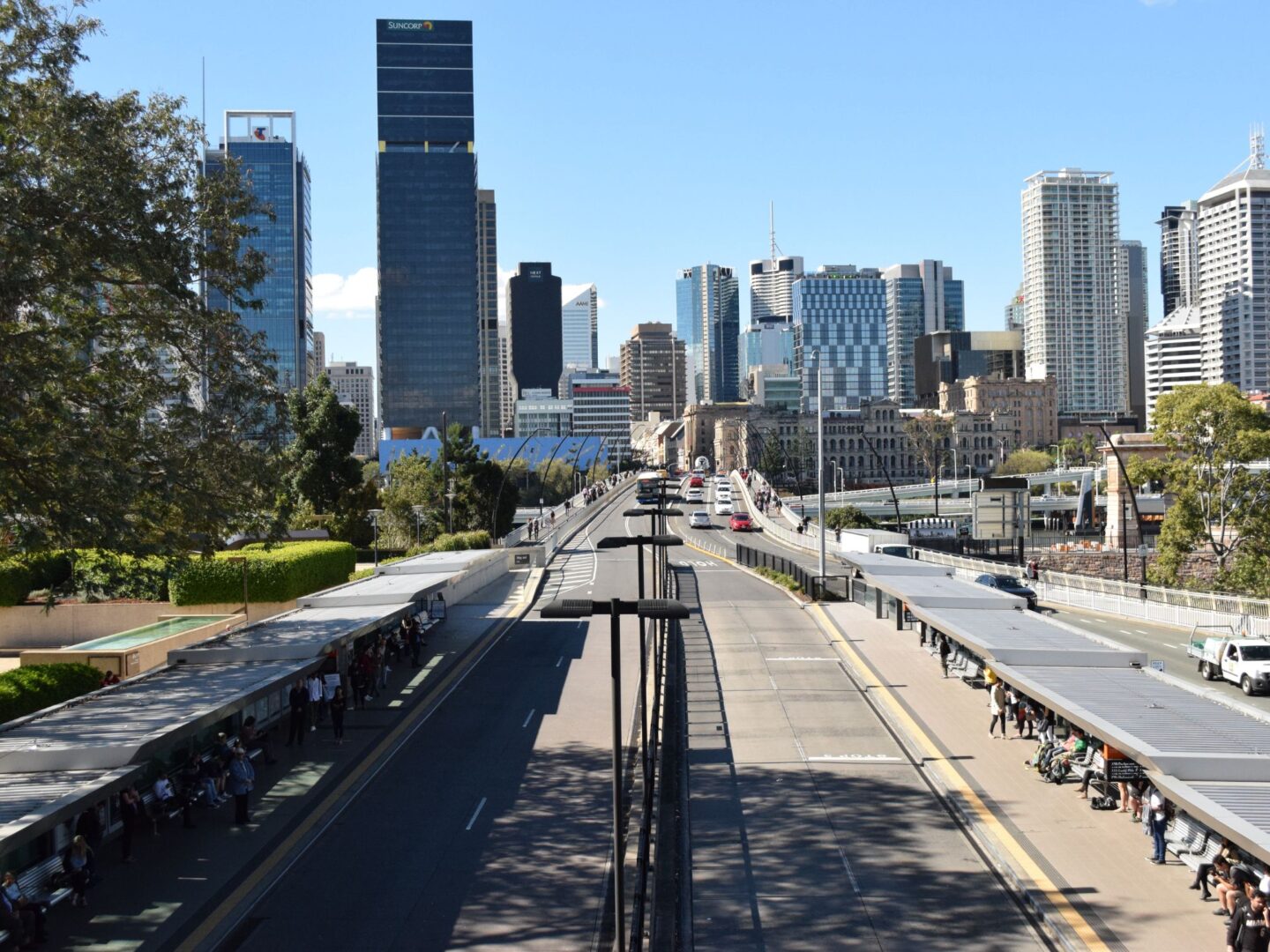
The weather in Brisbane can be quite turbulent, with one day facing a torrential downpour and other days of the year dealing with fog and mist. As such, it’s essential to learn the best way to drive under these conditions.
During sunny days, have a pair of UV-resistant sunglasses with you to ensure that the sun’s glare doesn’t completely harm your eyes or restrict your visibility. Keep your car shaded as much as possible as well to preserve it for longer.
During rainy days, utilise your windshield and choose a speed option that matches the rainfall’s velocity. Always see to it that your view in the front is clear. Moreover, leave at least three seconds of distance between you and the car in front of you, especially in steep roads as they’re prone to slipping.
If you’re dealing with fog, drive slowly and predictably. Use fog lights to expand your visibility. Refrain from suddenly changing lines under foggy conditions as well. By minding the weather conditions, you can ensure that you can drive no matter the conditions of the outside.
6. Master Car Operations
Lastly, but arguably most importantly, is to master the car’s primary modes of operation. For automatic drivers, this is start, break, and park. However, for drivers operating a manual car, you’ll have to learn how and when to use the stick to change gears as well.
Accelerating and braking the car isn’t only about hitting the correct foot pedal the moment you want to perform the action. It’s also about doing it slowly and methodically. Ramming the start and brake pedal to its limits while the car is stopped or moving respectively can wreck your car or leave you injured in the worst of cases. In most cases, it can still be quite uncomfortable going from moving to zero and allowing inertia to push you forward.
Of course, knowing how to drive smoothly takes time and patience. You won’t get to do that on your first couple of driving test runs. However, following the process will make it easier and more natural for you to start and halt your car smoothly, in Brisbane and anywhere along Australia.
We hope these tips will help you in mastering the skill of driving. Stay safe on the road!