
*This is a collaborative post.
Do you wonder how to bleed radiators properly? Bleeding them regularly is a great way to ensure they are working properly and efficiently. But how do you go about bleeding radiators correctly? This comprehensive guide will show you everything you need to know!
We’ll walk you through all the steps required for proper radiator maintenance: understanding why it’s important, gathering the right tools, preparing your radiator for bleeding and finally carrying out the process – so let’s get started!
Why Bleeding Your Radiator Is Important for Efficient Heating
It’s important to bleed your radiator regularly to maintain efficient heating. This process releases trapped air from the system, allowing coolant fluid to circulate freely and keep your home warm. As a result, you can save money on energy bills by reducing the fuel needed for heating.
However, it is also essential that this task be done properly to avoid any potential damage or safety issues. Before getting started, gather all the necessary materials to have everything you need – this will make the job easier and smoother.
Gathering the Tools: What You’ll Need to Bleed Your Radiator
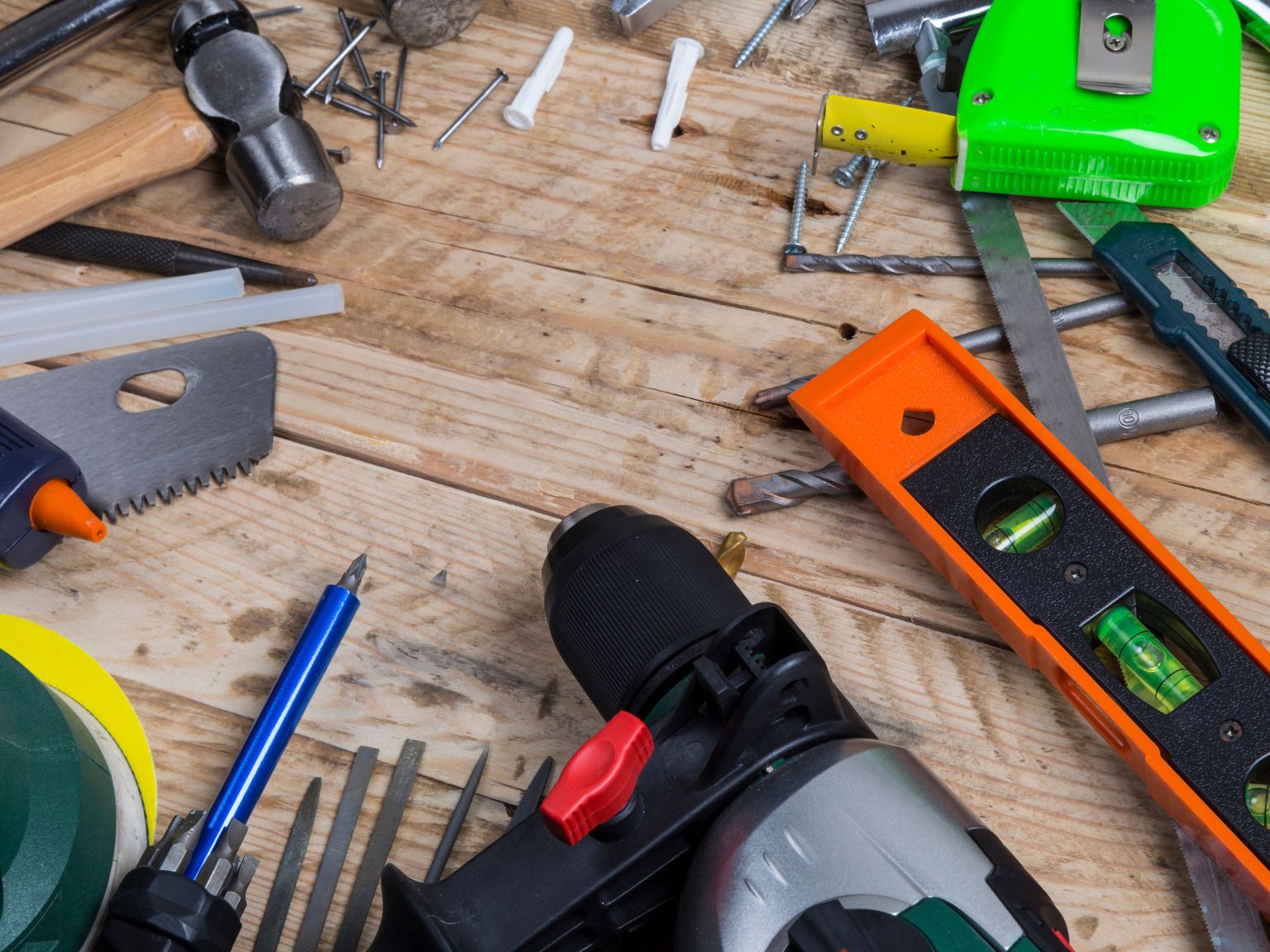
Now that you know why it is important to bleed your radiators, let’s look at the tools you’ll need to do this job effectively. Many households in the UK are losing money due to inefficient heating systems, so make sure you have these items on hand before getting started:
- Radiator key or valve spanner – used for releasing air from the system
- A cloth or bucket to catch any dripping water
- Towel – for wiping away excess moisture afterwards
With all your materials gathered and ready to go, you are now prepared for the next step – bleeding your radiator safely and effectively.
Step-by-Step Guide: How to Bleed Your Radiator Safely and Effectively
Now that you have all the necessary materials, it’s time to start bleeding your radiator. Follow these steps for a safe and effective process:
First, locate the radiator bleed valve on your system. This is usually located at one end of the radiator or, in some rare cases, near the bottom. Turn the valve counterclockwise with your key or spanner ready until you hear air escaping from the system.
As this happens, place a cloth beneath the valve so any dripping water can be contained properly. Once no more air is left in the system, close the valve clockwise and wipe away any excess moisture with a towel.
That’s all there is to it! Bleeding radiators doesn’t take long and can save you money in energy bills over time – not to mention ensuring an even heat distribution throughout your home.
Common Issues to Watch Out for When Bleeding Radiators
When bleeding radiators, there are a few common issues to watch out for that could indicate larger problems.
For instance, if the bleed valve isn’t releasing any air or water when opened, this could indicate a blockage in your system. If you notice this issue, it’s best to call a professional as soon as possible before further damage is caused.
Another warning sign is to look out for leaks from the radiator itself or the valves. This can also indicate a much bigger problem and should be inspected by an expert immediately.
Besides these two main issues, other minor signs can include rusting on the pipe connections and uneven heat distribution throughout your home, so keep an eye out for those too!
Expert Tips for Maintaining Your Radiator’s Performance and Efficiency
To keep your radiators running at peak performance, you should follow a few expert tips.
Firstly, make sure to keep the surrounding area of your radiator free from dust and dirt, as this can cause clogs in the system or impede heat transfer.
Secondly, check that all valves are turned off when not in use, as this will help reduce energy costs and save money on bills.
Finally, add an inhibitor solution to your heating system every couple of years, as it helps stop rusting and corrosion within pipes and other components.
These simple maintenance steps may seem small, but they can greatly impact how efficiently your radiators run over time. By taking these preventative measures now, you’ll be able to enjoy a warm home for many winters ahead!
In Summary
Now you know how to bleed radiators properly, and it is much simpler than most people think. All you need are a few basic supplies and a little patience. And if something seems wrong while performing the task, feel free to call professional help; they can usually identify any potential problems quickly and efficiently.
Hopefully, you will feel confident enough to tackle the job yourself by now. So grab your toolbox and let’s go – it’s time to start bleeding those radiators!



I had not heard of inhibitor solutions until reading this so I will look for more information!
Thanks for this guide,will come in handy
My dad taught me to bleed radiators years ago and I taught my fella. hehehe
I can’t believe I only learnt about bleeding the radiators when I met my husband. We always used to wonder why the radiators in my parent’s house didn’t heat up very well and when my husband bled them, they have been working perfectly fine. It’s crazy how easy it is to do
Never knew how to do properly !, thanks for the information