*This is a collaborative post.
You’ve found the perfect fixer-upper. It’s got great bones, and with a little elbow grease (and maybe some money), it could be your dream home. But before you take the plunge, there are a few things you should do to make sure you’re getting the most bang for your buck – and avoid any nasty surprises down the road.
Most people attempting to buy a fixer-upper go in with the best of intentions. But without the right knowledge, you could end up overspending on repairs, or worse – buying a money pit that will never be finished.
To help avoid any headaches, we’ve put together a 25-step guide for buying an older property. By following these steps, you can be sure you’re getting a great deal on a property that will stand the test of time.
Here’s your 25-step guide to buying an older property.
1. Have realistic expectations
It’s important to have realistic expectations when you’re buying a fixer-upper. Remember that no home is perfect and there will always be some work that needs to be done. If you’re not prepared to deal with some minor imperfections, then an older property may not be the right choice for you.
2. Make a list of must-haves
Before you start looking at properties, make a list of your must-have features. This will help you narrow down your search and focus on finding the right home for you. This can include features like a certain number of bedrooms and bathrooms, a specific location, or a certain price range.
3. Set a budget
It’s important to set a budget before you start shopping for a fixer-upper. This will help you avoid overspending on the purchase price and leaving yourself with too little money for repairs and renovations.
4. Have a contingency fund
When you’re buying a fixer-upper, it’s important to have a contingency fund set aside for unexpected repairs and expenses. This will help you avoid going over budget and ensure that you have the funds necessary to complete all of the work that needs to be done.
5. Get a thorough inspection
The first thing you’ll want to do is get a comprehensive inspection of the property. This will help you identify any major problems that will need to be addressed before you move in. Make sure to hire a qualified inspector who has experience with older homes.
6. Get a home warranty
Another important step to take when buying an older property is to get a home warranty. This will protect you from having to pay for any major repairs that come up within the first year or two of ownership.
7. Check for lead paint
If the home was built before 1978, there’s a good chance it contains lead-based paint. This can be a serious health hazard, especially for young children and pregnant women. have the property tested for lead paint and if it does contain lead, find out what it will take to safely remove it.

8. Check for asbestos
Asbestos is another potential hazard that can be found in older homes. It’s important to have the property tested for asbestos before you start any renovation work. If asbestos is present, you’ll need to hire a qualified contractor to remove it safely.
9. Get a professional appraisal
Older homes can be tricky to value, so it’s a good idea to get a professional appraisal before you make an offer on the property. This will help you make sure you’re not overpaying for the home. An appraisal will help you pay the market value instead which will give you the leverage you need to do the renovations without breaking the bank.
10. Have a loan pre-approval in hand
If you’re planning on financing the purchase of your fixer-upper, make sure you get pre-approved for a loan before you start looking at properties. This will give you a better idea of how much house you can afford and avoid any last-minute surprises when it comes time to get financing.
11. Research the neighbourhood
When you’re buying a fixer-upper, it’s important to research the surrounding neighbourhood. This will help you make sure the property is located in a desirable area that will hold its value over time. Future buyers will be looking at the same things when they’re considering the property, so it’s important to do your homework upfront.
12. Look for red flags
There are some red flags that can indicate a problem property, such as a high crime rate, bad schools, or environmental hazards. If you see any of these red flags, proceed with caution before making an offer on the home.
13. Get quotes from contractors
Before you make an offer on a fixer-upper, it’s a good idea to get quotes from contractors. This will give you a better idea of how much the repairs and renovations will cost and help you stay within your budget. Get referrals from friends and family or search online for qualified contractors in your area.
14. Choose your contractors carefully
When you’re hiring contractors to work on your fixer-upper, it’s important to choose them carefully. Make sure to get references and check their credentials before hiring anyone to work on your home. If possible try and visit other properties they’ve worked on to see the quality of their work firsthand.
15. Get the necessary permits
Before you start any repair or renovation work on your fixer-upper, make sure you get the necessary permits from your local municipality. These permits usually include a building permit, electrical permit, and plumbing permit. Getting the necessary permits upfront will help you avoid any legal problems down the road.

16. Start with the big projects
When you’re ready to start repairing and renovating your fixer-upper, begin with the bigger projects first. This includes areas like the roof, foundation, windows, and framing. These are usually the most expensive and time-consuming projects, so it’s important to get them out of the way early on.
17. Paint your roof and walls
One of the quickest and easiest ways to improve the appearance of your fixer-upper is to paint the roof and walls. This will help brighten up the space and make it look more inviting. Modern trends indicate that using light colours can make a space appear larger, so consider this when choosing your paint colours.
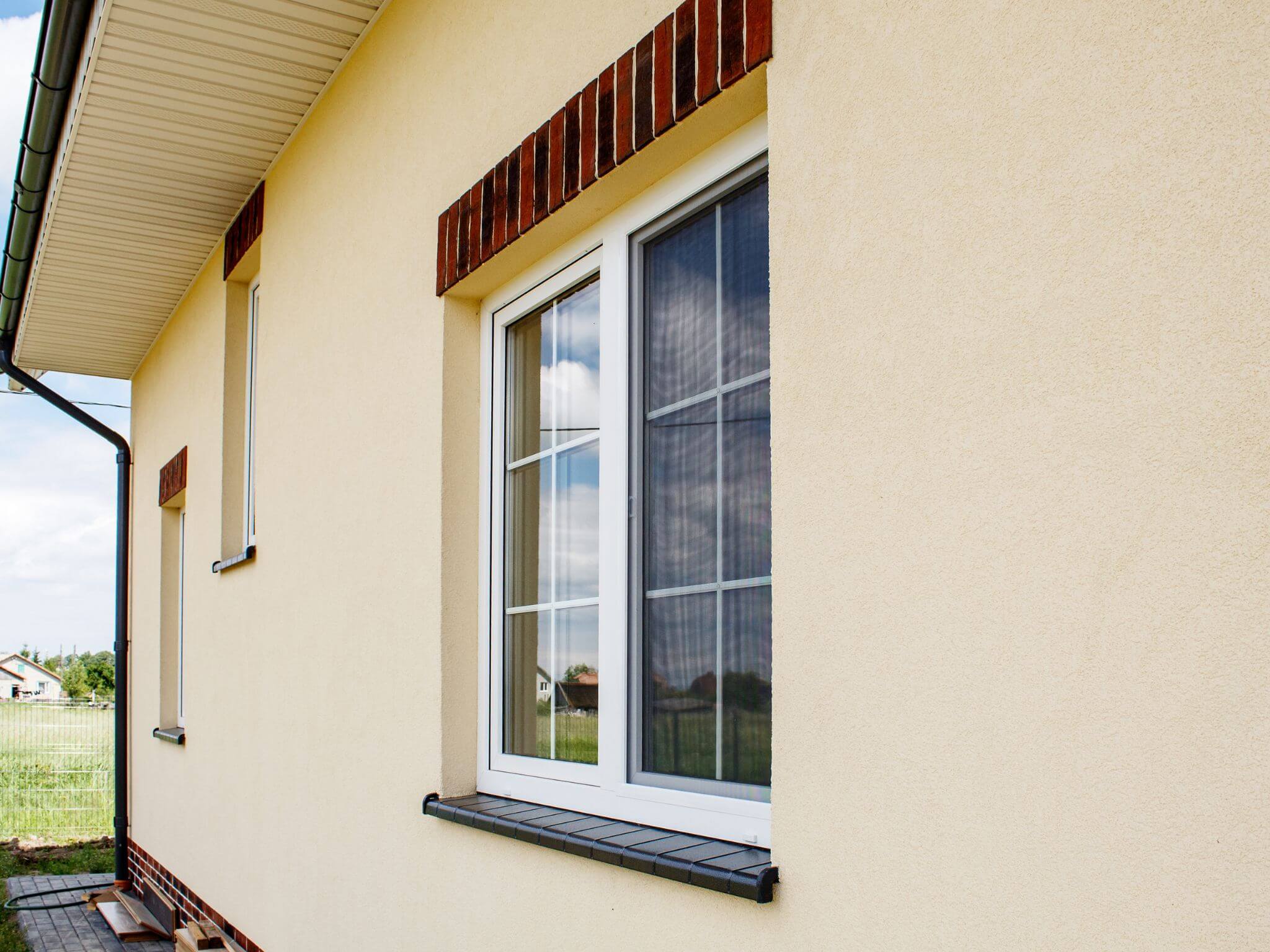
18. Install new windows
Installing new windows is another great way to improve the appearance of your home. Not only will this make the space look nicer, but it can also help increase energy efficiency. Window types include single-hung, double-hung, casement, picture, and awning.
19. Update the plumbing
Older homes often have outdated plumbing that needs to be updated. This can be a big job, but it’s important to do if you want to avoid any potential problems down the road. The professionals can help you choose the right plumbing fixtures and make sure they’re properly installed. One of the worst things to have is a leaking pipe next to a wall or the foundation, water damage can cause big problems.
20. Replace old flooring
Old and worn-out flooring can make your home look dated and uninviting. Replacing it with new flooring is a great way to give your home a fresh, updated look. Current trends in flooring include hardwood, laminate, and luxury vinyl.

21. Don’t forget the furniture
After you’ve completed all of the major repairs and renovations, it’s time to start thinking about furniture. You can go the bespoke route or go for made in Italy furniture. This is an important step in making your fixer-upper feel like a home.
22. Add some personal touches
Once you’ve chosen all of the furniture and decorations for your home, it’s time to add some personal touches. This is your chance to make the space truly yours and give it your own unique style. Just remember to keep in mind that you might want to sell the property again in the future so try not to make it too personal.
23. Have patience
One of the most important things to remember when you’re buying a fixer-upper is to have patience. Repairing and renovating an older home can be a long and difficult process, but it’s important to stay positive and keep moving forward.
24. Stay within your budget
It’s easy to get caught up in the excitement of repairing and renovating your fixer-upper. But it’s important to stay within your budget and not overspend on the project. This is by far where most people fail when taking on a fixer-upper.
25. Enjoy your new home
After all of the work is finally finished, it’s time to sit back and enjoy your newly renovated home. You can take pride in knowing that you’ve done all the work yourself and created a space that truly reflects your personal style.
The Bottom Line
Buying a fixer-upper can be a great way to get a property at a discounted price. However, it’s important to be prepared for the work that needs to be done. By following these 25 steps, you can ensure that you’re ready for the challenges of buying and repairing an older property.