*This is a collaborative post.
In the UK, the Early Years Curriculum is now called “The Early Years Foundation Stage” or EYFS. It is designed to set standards for the learning, development and care of all children from birth to 5 years of age.
Every school and every Ofsted registered early years care provider (nurseries and childminders included) must adhere to the EYFS. The EYFS is only in place in England – Scotland and Wales follow a different protocol.
What is taught during the EYFS?
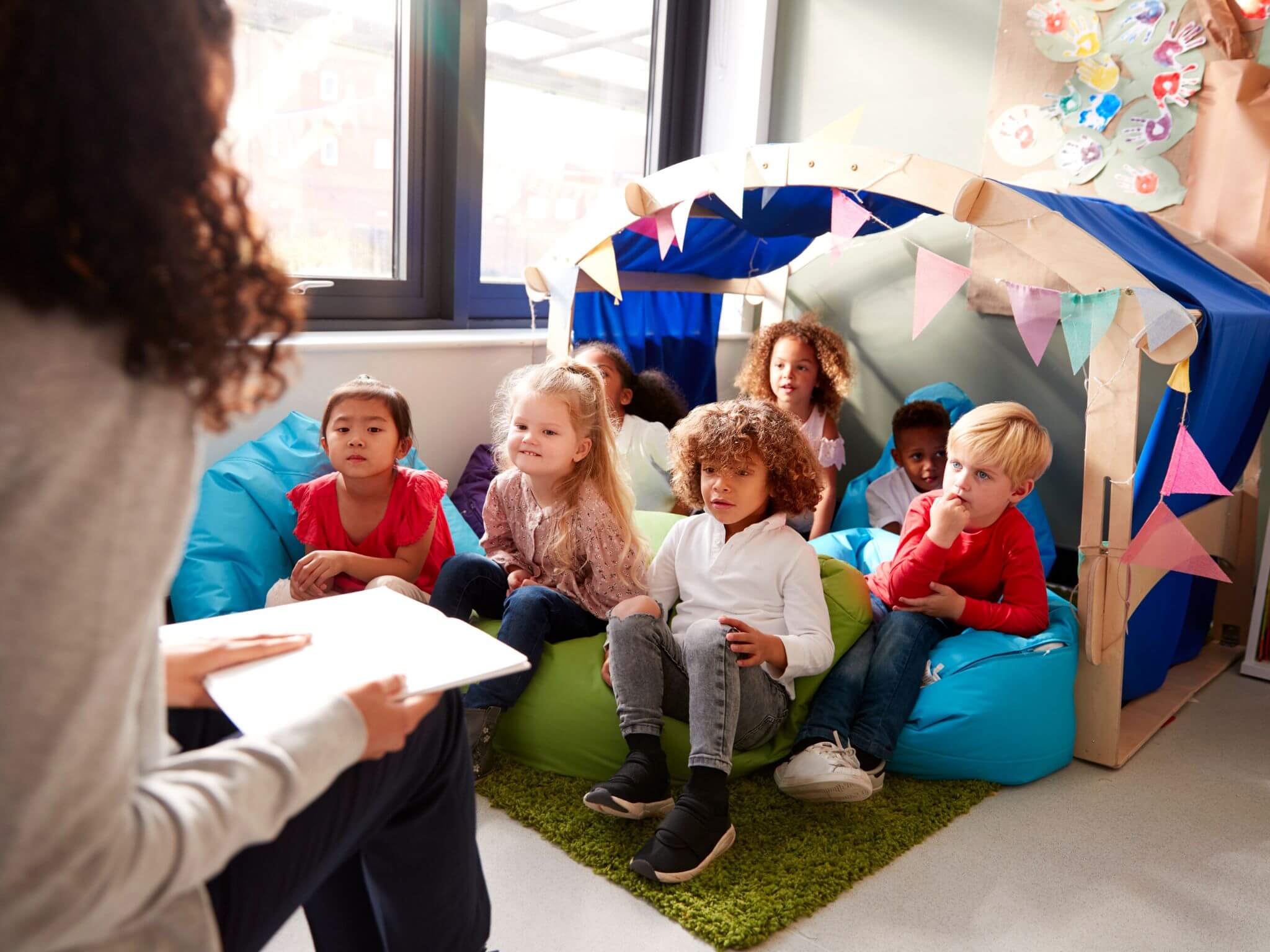
Most teaching during the early years is done via games and playing. This has been found to be the most effective way to teach the youngest of our students. The different areas of focus include –
- Communication and language
- Physical development
- Personal, social and emotional development
- Literacy
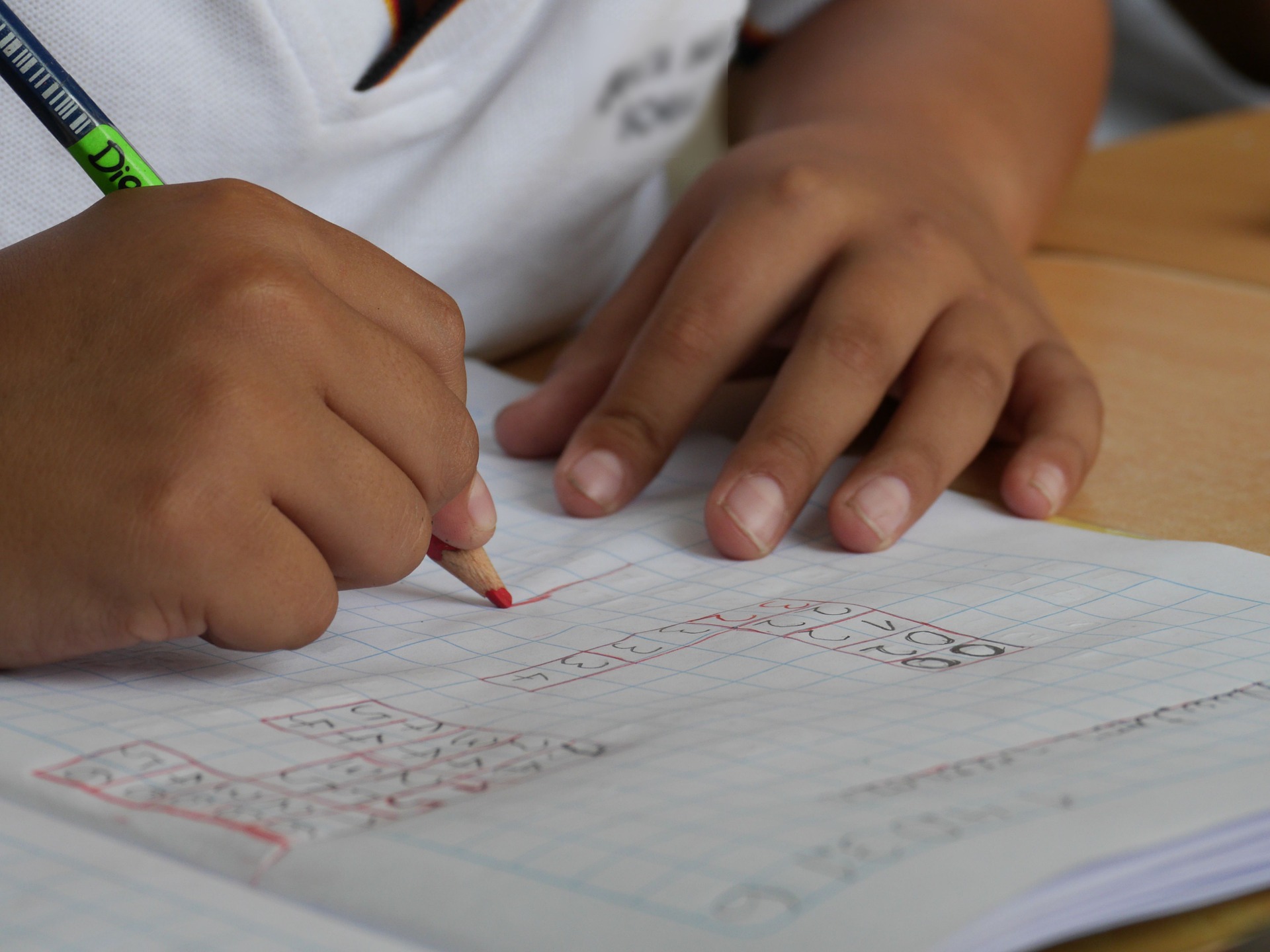
- Mathematics
- Understanding the world
- Expressive arts and design
With a well-rounded day full of fun activities, games and stories, children learn all they need to learn among their peers. Speaking to other students and their teachers is encouraged and each child is helped and guided along the way. Physical challenges are presented via games and sports, arts are well covered through drawing, painting, and other forms of creativity. Day trips, performances, discussions, and special events all help form the EYFS in the classroom and most children find their first experiences in school to be fun, challenging and rewarding.
How is learning assessed during the early years?
Assessments are done regularly – at the ages of 3-4 and again at aged 5. Children are never aware they are being assessed. The classroom environment is meant to feel safe and stress-free for small children, so assessment is done via observation alone.
Parents should feel that they can approach their child’s teachers for an appointment to discuss concerns or worries they or their child might have. If you find your child is having issues settling at school, consider volunteering to assist in the classroom or on school trips. This can help your child feel more at home in their new environment.
This private school in Reigate sets high standards for their pupils and encourage parental involvement in all aspects of learning.





Sounds fab – lots of useful information