
*This is a collaborative post.
Think retirement is too far away to plan for now? Think again. The truth is, the earlier and smarter you plan, the more freedom you’ll have when the time comes. But retirement planning isn’t just about saving money, it’s about making decisions today that set you up for a lifestyle you’ll actually enjoy later.
Here’s what you need to be thinking about now, no matter what stage of life you’re in.
1. Get clear on your retirement goals
Before you do anything else, take a moment to imagine your ideal retirement. Where are you living? What are you doing with your time? Are you working part-time, volunteering, travelling, or fully retired?
These aren’t just nice daydreams. They shape the kind of financial planning you’ll need. For example, someone who wants to travel internationally every year will need a very different financial setup compared to someone who plans to stay close to home.
Be specific. Think about:
- Lifestyle needs – What will your daily expenses look like?
- Housing plans – Will you stay put, downsize, or move somewhere new?
- Health care expectations – Do you expect higher medical needs?
Once you have a clear picture, you’ll be better equipped to make the financial decisions that align with your vision.
2. Understand the tax side of things
Tax isn’t just something to think about at the end of financial year. It’s a big part of retirement planning. Different income streams, investments, and superannuation strategies can have very different tax outcomes.
This is where self-managed super fund accountants can be incredibly helpful. If you manage your own super, the tax implications are much more complex than standard accounts. The right accountant will help ensure your structure is compliant and working efficiently, so you’re not paying more than you should.
Don’t just focus on growing your retirement savings. Make sure you’re keeping more of it too.
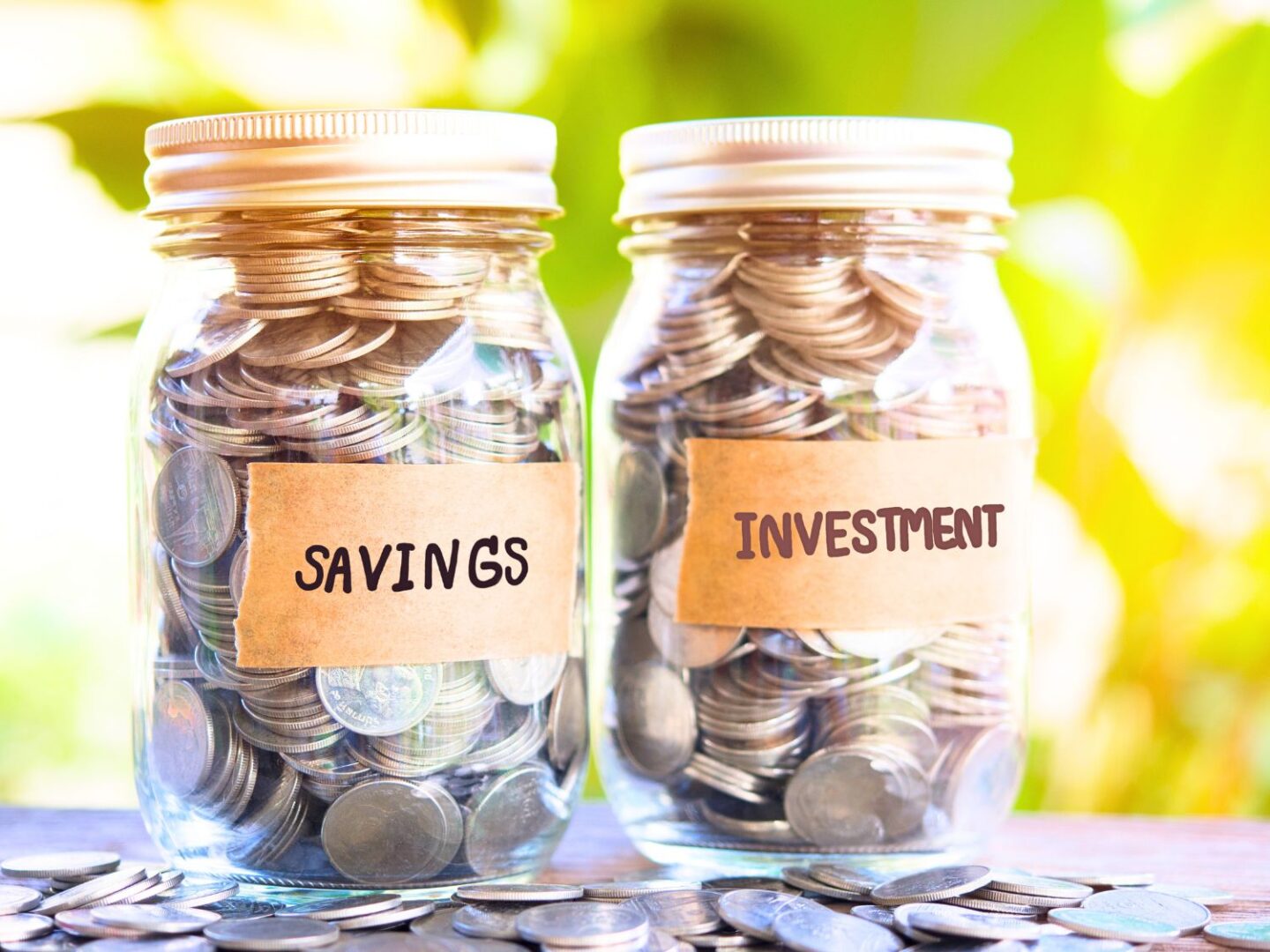
3. Don’t put all your eggs in one basket
Relying on one income stream in retirement is risky. Superannuation is important, but it shouldn’t be the only thing you’re counting on. A diversified approach spreads the risk and helps you handle changes in the market or unexpected life events.
Consider a mix of:
- Superannuation funds
- Property investments
- Shares or managed funds
- Part-time income or side businesses
- Cash savings and term deposits
The right mix depends on your age, risk tolerance, and retirement goals. What works for one person won’t suit another, so avoid cookie-cutter advice.
4. Track your spending now, not later
Many people underestimate how much they spend until they start tracking it. If you don’t have a clear understanding of your expenses now, it will be hard to plan for your needs in retirement.
Try tracking your expenses over three to six months. This gives a realistic picture of where your money actually goes. From there, think about which of those expenses are likely to stay in retirement and which might drop off.
For example, your mortgage might be gone, but medical costs might go up. You might not be commuting anymore, but maybe you’ll be travelling more. Small adjustments to your budget now can make a big difference over time.
5. Factor in inflation
Inflation has a sneaky way of eroding your money’s value. What feels like enough today may not stretch as far in ten or twenty years. Even a modest inflation rate can significantly impact your purchasing power across a couple of decades.
When planning your retirement income, always build in a buffer for inflation. This means adjusting your expected returns and expenses each year to reflect a more realistic cost of living.
Think of it like this: If you plan too tightly based on today’s prices, you’re setting yourself up for financial stress later. Build some breathing room.
6. Revisit and rebalance your investments regularly
Your investment strategy shouldn’t be “set and forget.” As you get closer to retirement, the way you invest should shift. What made sense in your 30s probably doesn’t make sense in your 60s.
This doesn’t mean pulling out of everything and going ultra-safe. It means reviewing your risk tolerance and rebalancing as needed. Too conservative and your money might not grow enough. Too aggressive and you risk losing a chunk of it when you don’t have time to recover.
Make it a habit to review your investments annually. Look at what’s working, what’s underperforming, and what needs adjusting to stay aligned with your goals.
7. Don’t forget about estate planning
A solid retirement plan doesn’t end with you. You need to think about what happens to your assets after you’re gone.
Estate planning includes things like:
- Making or updating your will
- Assigning power of attorney
- Nominating super beneficiaries
- Setting up trusts if needed
It’s not the most exciting part of retirement planning, but it’s one of the most important. Ensure that you’re also protected with life insurance to give your family a little more after your death, even if this means paying a slightly higher premium for no medical life insurance if your health is not currently the best. Getting your documents in order gives peace of mind to both you and your family.

8. Talk about retirement with your partner or family
Retirement is a big life shift, and it doesn’t happen in a vacuum. Whether you’re in a relationship or have dependants, their future ties closely to yours.
Make time for open conversations about retirement plans. Discuss timelines, goals, potential lifestyle changes, and what each of you expects. It’s surprising how often partners have different visions for retirement that haven’t been fully discussed.
Being on the same page can avoid conflict and help shape a financial plan that works for everyone involved.
Make Your Future Self Proud
Retirement isn’t something that happens to you, it’s something you create. The decisions you make today, even the small ones, are shaping the kind of life you’ll live years from now. You don’t have to be an expert or have it all figured out. But you do need to st






My husband and I were just discussing retirement the other day. We don’t feel prepared at all, so this is a really useful post to read.
Retirement is something I have been thinking a lot about lately due to being in my mid fourties, im trying to plan as much as I can and save as much as I can. You have to think about these things if you want a good life when you are older.