*This is a collaborative post.
Sports can be one of the most powerful ways to inspire confidence, independence and joy in children with special needs. They offer an avenue for kids to express themselves, build physical strength, and connect socially in an environment that celebrates effort over perfection. Whether it’s through movement, teamwork, or personal achievement, the right sports can help every child empower themselves, engage with others, and excel beyond limitations.
Here are some of the best sports that truly uplift and motivate kids with special needs.
1. Swimming – The Freedom of Water
Swimming is one of the most inclusive and therapeutic sports for children with special needs. The buoyancy of water reduces stress on the joints, making it accessible for kids with limited mobility, cerebral palsy, or muscle weakness. The rhythmic movements of swimming also have a calming, sensory-regulating effect, particularly for children with autism.
Specialized programs like the ISR swimming program focus on teaching essential water safety and self-rescue skills, helping kids feel secure and independent in the water. With patient instructors and adaptive techniques, swimming not only builds strength and coordination but also gives children a sense of freedom that few other sports can offer.
2. Track and Field – Building Confidence One Step at a Time
Track and field events such as running, jumping, or throwing can be easily adapted for different abilities. Kids can compete against their own previous times or distances rather than against others, which makes the sport motivating and non-intimidating.
Running helps improve cardiovascular health and endurance, while throwing events enhance motor control and coordination. Many adaptive programs use assistive devices, like running frames or guided running for visually impaired children, to ensure everyone can participate safely. Each achievement on the track helps children feel capable and proud, reinforcing the idea that effort and progress matter more than competition.
3. Horseback Riding – Strengthening the Body and Mind
Also known as equine-assisted therapy, horseback riding is both a sport and a therapeutic experience for children with special needs. Riding a horse requires balance, posture, and core strength, but it also builds emotional bonds and trust between the rider and the animal.
For children with autism or anxiety, the rhythmic motion of the horse can be incredibly soothing. It helps improve focus, communication, and emotional regulation. For those with physical disabilities, the movement of the horse mimics a natural walking pattern, gently strengthening muscles and improving coordination.
Through horseback riding, kids not only gain physical benefits but also learn patience, empathy, and a sense of accomplishment that stays with them long after they dismount.

4. Skateboarding – Courage on Wheels
While it might seem unconventional, skateboarding for kids with special needs has gained momentum as an adaptive sport that promotes balance, confidence, and creativity. Specialized instructors use safety gear and modified boards to help children learn at their own pace.
The sense of independence that comes with riding even a few feet is empowering. Skateboarding teaches perseverance and bravery, showing kids that it’s okay to fall and try again. Over time, it becomes not just a sport, but a way to express freedom and individuality.
5. Basketball – Teamwork and Energy in Motion
Basketball encourages movement, coordination, and social connection, making it ideal for children with developmental or cognitive challenges. Adaptive basketball programs use modified hoops, lighter balls, or shorter game times to keep the sport fun and achievable.
For kids who might struggle with social interaction, basketball provides structured opportunities to work as part of a team. Passing the ball, cheering for teammates, and celebrating small victories help children understand cooperation and build lasting friendships. The fast pace of the game keeps them engaged while enhancing motor skills, balance, and reaction time.
6. Bowling – Simple, Social, and Rewarding
Bowling is another fantastic sport that can easily be adapted to meet different needs. Ramps, bumpers, and lightweight balls allow all children to play comfortably, regardless of physical or cognitive challenges.
The game teaches patience, focus, and hand-eye coordination and because players take turns, it also promotes social skills like waiting, cheering for others, and celebrating together. Bowling alleys often offer sensory-friendly sessions for kids who might be sensitive to noise or lights, making it both inclusive and enjoyable.
7. Martial Arts – Discipline Meets Confidence
Martial arts, including karate, taekwondo, and judo, offer structure, discipline, and respect, three qualities that benefit all children, especially those with special needs. The repetitive nature of martial arts training helps children improve focus and self-control.
For kids with autism or ADHD, the step-by-step learning structure of martial arts is especially helpful. It breaks down complex movements into simple, achievable goals, allowing every child to progress at their own pace. Each belt earned becomes a tangible sign of hard work and perseverance, reinforcing confidence and self-worth.
In addition to physical strength, martial arts nurture mental resilience, teaching kids to channel energy, handle frustration, and believe in themselves.
8. Gymnastics – Balance, Strength, and Fun
Gymnastics builds flexibility, balance, and coordination through fun and dynamic movements. With proper supervision and adaptive techniques, kids of all abilities can safely participate in this sport.
For children with physical challenges, low-impact exercises on mats, beams, or bars help develop muscle tone and improve body awareness. The thrill of mastering a new skill, whether it’s a forward roll or balancing on one foot, encourages kids to stay motivated and active.
Inclusive gymnastics programs often emphasize play and creativity, allowing children to explore movement in a supportive and non-competitive space.
9. Soccer – Inclusion Through Team Spirit
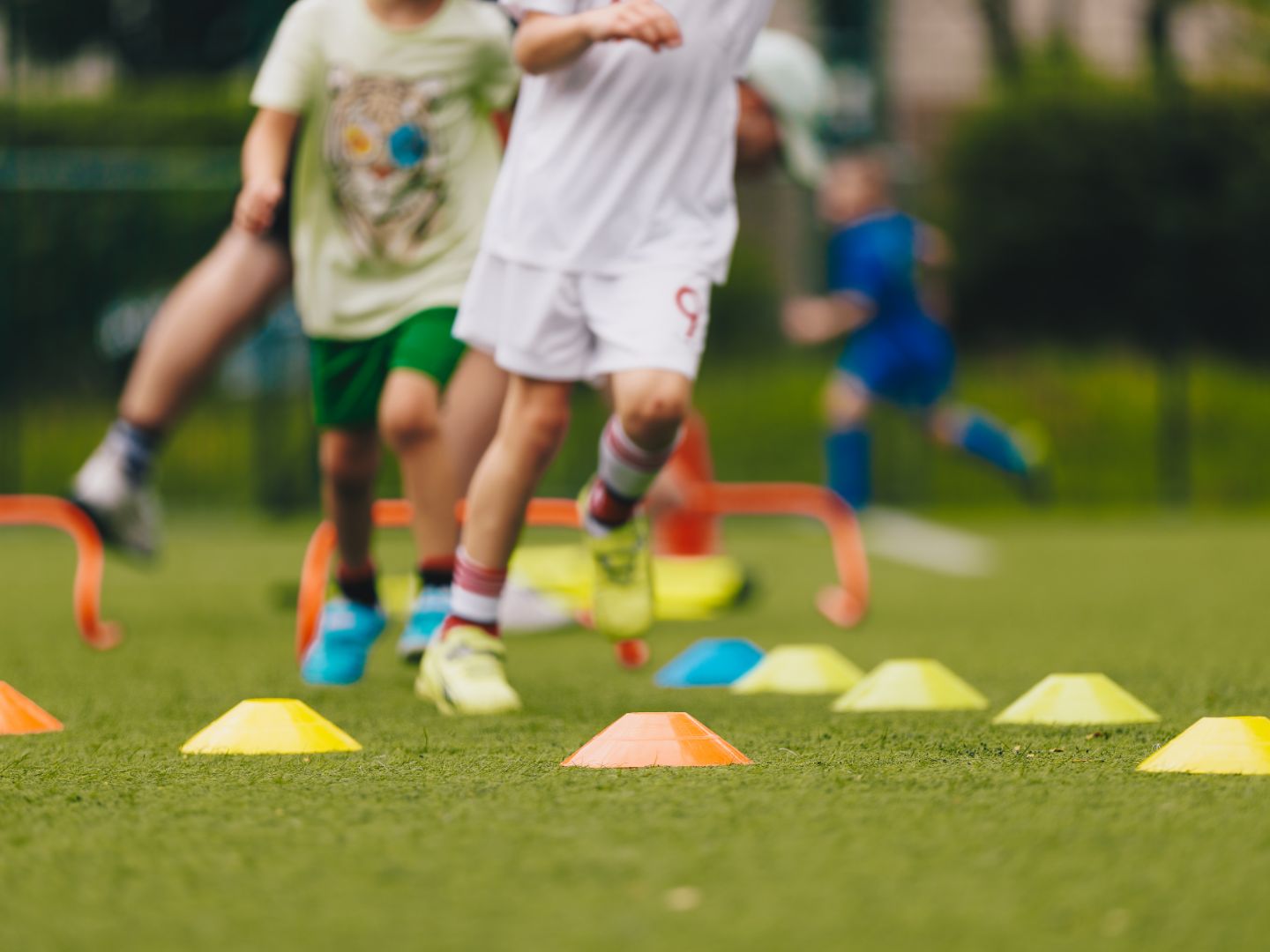
Soccer is one of the most accessible team sports worldwide and can easily be adapted for children with special needs. Modifications like smaller fields, shorter playtimes, or slower-paced games help ensure that everyone can participate.
The sport teaches teamwork, communication, and problem-solving. Passing the ball and working toward a shared goal help children learn social interaction in a natural, enjoyable way. Adaptive soccer leagues also promote inclusion by pairing players of different abilities on the same team, proving that teamwork and heart matter more than physical ability.
10. Dance and Movement – Expressing Joy Through Motion
Dance combines fitness with creativity, giving children a chance to express themselves freely. It helps develop rhythm, coordination, and flexibility, and can be particularly uplifting for kids who might struggle with verbal communication.
Adaptive dance classes focus on inclusivity and joy, using music, movement, and play to engage children of all abilities. For some, dance becomes a language of its own, one that builds confidence, social awareness, and a deep sense of pride.
Every child deserves the chance to move, play, and grow through sports. For kids with special needs, adaptive athletics offer more than just physical activity; they offer empowerment, engagement, and a sense of belonging.
From the calm of swimming to the excitement of skateboarding, these sports prove that ability is never defined by limitation. With the right support, encouragement, and inclusion, every child can find their sport and with it, the confidence to excel both on and off the field.




Swimming is a great one