*This is a collaborative guest post.
Aging in place means designing a home that remains functional, safe, and beautiful for years to come. The bathroom is one of the most critical spaces to adapt because it presents unique safety challenges. Slippery floors, hard surfaces, and awkward layouts can increase the risk of falls, making thoughtful remodeling essential.
In Orlando, where many retirees choose to settle, homeowners want bathrooms that balance accessibility with aesthetics. The city’s warm climate and vibrant community encourage active lifestyles, and homes should reflect that energy. A well-designed bathroom can support independence while maintaining an upscale look that complements Orlando’s blend of modern and classic architecture. An accessible bathroom should never feel clinical. Instead, it should be a seamless extension of a homeowner’s personal style.
Prioritizing Safety Without Compromising Elegance
Modern designs incorporate sleek, stylish solutions that blend seamlessly with any aesthetic. Slip-resistant flooring options, such as textured porcelain tiles or luxury vinyl, provide durability while enhancing the room’s visual appeal. Curbless showers with linear drains create a clean, streamlined look while eliminating trip hazards.
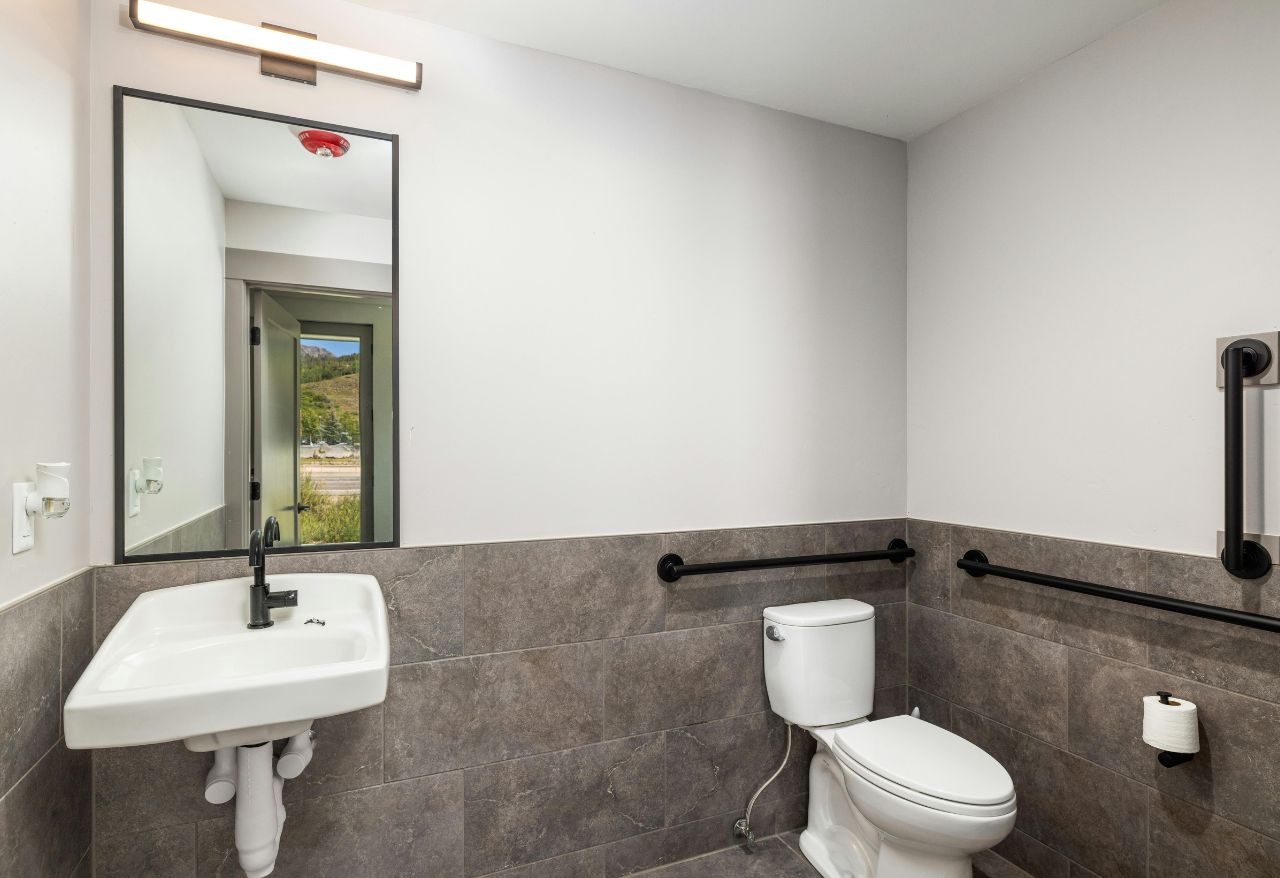
Wall-mounted grab bars now come in elegant finishes like matte black, brushed nickel, or even wood-inspired designs that mimic towel bars. Strategically placed lighting—such as under-cabinet LEDs and motion-sensor nightlights—ensures visibility without harsh glare.
Smart Layout Adjustments for Comfort and Accessibility
Functionality is key when designing a bathroom for aging in place. A well-planned layout ensures ease of movement, especially for those using mobility aids. Wider doorways—at least 32 inches wide—allow for wheelchair access without compromising design. A floating vanity provides knee clearance while offering a modern, airy look.
For homeowners in Orlando, where real estate values remain strong, a stylish yet accessible bathroom can add long-term resale appeal. Many opt for an Orlando bathroom remodel that includes walk-in showers instead of traditional bathtubs, making entry easier without sacrificing aesthetics. Thoughtfully placed storage, such as recessed niches and pull-out drawers, ensures toiletries remain within easy reach without cluttering countertops.
Choosing the Right Fixtures for Longevity
Fixtures play a huge role in balancing style and accessibility. Single-handle faucets or touchless options make temperature control effortless while reducing strain on the hands. Higher toilets—sometimes called comfort-height models—minimize knee and back stress while blending seamlessly with modern designs.
Showerheads with handheld attachments offer flexibility, whether for seated use or targeted water flow. Thermostatic controls prevent sudden temperature changes, reducing the risk of burns. Choosing timeless finishes, like brushed gold or polished chrome, ensures these features enhance the overall aesthetic instead of standing out as strictly functional.
Lighting Strategies for Safety and Ambiance
Lighting should enhance both safety and ambiance. A well-lit bathroom reduces fall risks while creating a spa-like retreat. Layered lighting—overhead fixtures, wall sconces, and under-cabinet LEDs—eliminates shadows and brightens key areas without feeling harsh.
Dimmable options allow for customized brightness throughout the day. Soft, warm lighting around the vanity mimics natural daylight, making grooming tasks easier. Motion-sensor nightlights along baseboards prevent fumbling in the dark, while smart bulbs offer voice-activated controls for added convenience. Thoughtfully planned lighting not only makes a bathroom safer but also elevates its overall aesthetic.
Selecting Durable and Stylish Materials
The right materials ensure a bathroom remains beautiful and functional for years. Water-resistant, easy-to-clean surfaces are essential for longevity and hygiene. Porcelain and ceramic tiles offer durability while mimicking the look of natural stone or wood. Quartz countertops provide a sleek, non-porous surface resistant to stains and bacteria, making them both practical and visually appealing.
For walls, moisture-resistant paint or large-format tiles minimize grout lines, reducing maintenance. Textured flooring prevents slips while adding depth to the design. Matte finishes reduce glare and create a sophisticated aesthetic. By selecting materials that combine strength with beauty, homeowners can achieve a stylish, low-maintenance bathroom that supports aging in place.
Incorporating Accessible Storage Solutions
Aging-in-place designs should prioritize easy access to everyday essentials without sacrificing elegance. Traditional cabinets with deep shelves can be difficult to reach, but pull-out drawers, open shelving, and built-in niches keep items within arm’s reach. Soft-close mechanisms add a touch of luxury while preventing slamming.
Wall-mounted medicine cabinets with LED lighting provide discreet storage for medications and toiletries while enhancing visibility. Lazy Susans or pull-down racks inside vanity drawers improve organization. Floating shelves add decorative appeal while keeping frequently used items accessible. A well-planned storage system ensures efficiency without cluttering the space, keeping the bathroom both functional and stylish.
Installing a Barrier-Free Shower for Ease of Use
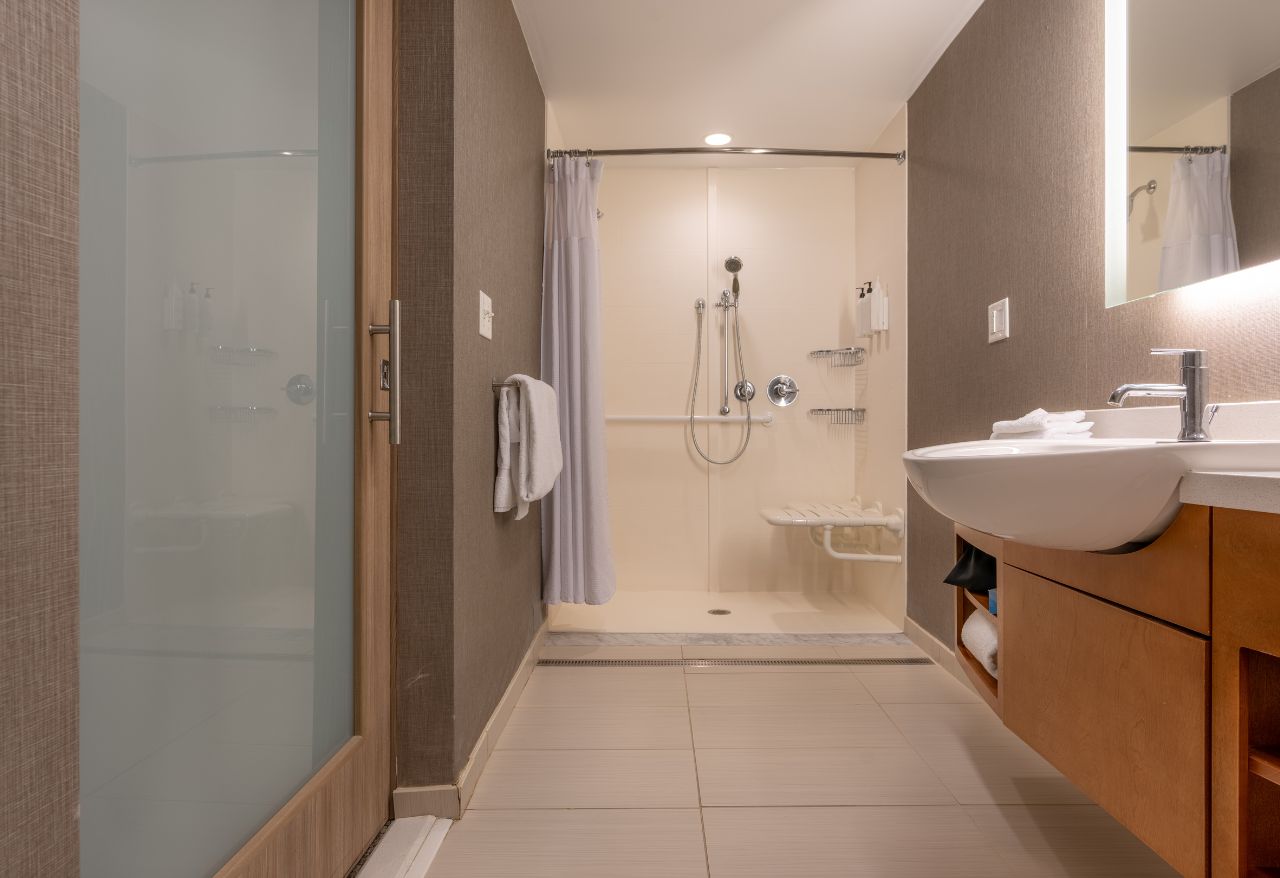
A barrier-free shower eliminates the need to step over a threshold, reducing fall risks while creating a modern, open look. Curbless showers with linear drains allow for seamless flooring transitions, making them ideal for wheelchairs or walkers. A built-in bench provides comfort and convenience, while a handheld showerhead offers flexibility for seated use.
Frameless glass enclosures maintain an airy feel and prevent the space from looking closed off. Grab bars designed to resemble decorative accents ensure stability without disrupting the aesthetic. Choosing slip-resistant tiles with a textured surface further enhances safety. A barrier-free shower not only adds accessibility but also gives the bathroom a sleek, contemporary design.
Enhancing Comfort with Heated Features
Comfort plays a major role in creating an inviting, functional space. Heated flooring prevents cold surfaces from becoming uncomfortable, especially for those with joint pain. Radiant heat mats installed beneath tile flooring provide consistent warmth and energy efficiency.
Towel warmers offer a spa-like touch while ensuring towels remain dry and cozy. A heated toilet seat can enhance comfort during colder months. Smart thermostats allow users to control temperatures with ease, adapting to individual preferences. These small yet impactful upgrades transform a bathroom into a luxurious retreat without sacrificing practicality.
Remodeling a bathroom for aging in place requires a thoughtful approach that balances safety with style. By integrating smart layouts, durable materials, and modern fixtures, homeowners can create a space that supports independence without looking clinical. Barrier-free showers, accessible storage, and layered lighting contribute to a design that is both functional and visually appealing. Heated elements and personalized touches further enhance comfort, making the bathroom a luxurious yet practical retreat. Aging in place should not mean compromising elegance—it should mean designing a home that evolves with its owners while maintaining beauty and functionality.


