*This is a collaborative post.
If you’ve just bought or rescued a dog, congratulations! Welcoming your new canine companion is a special time, but you’ll also be swept off your feet as soon as they arrive.
From choosing a vet practice to playing your first game of fetch together, there’s a lot to think about when a dog joins your household. But with careful preparation and some thoughtful research, you can help them settle in and feel right at home.
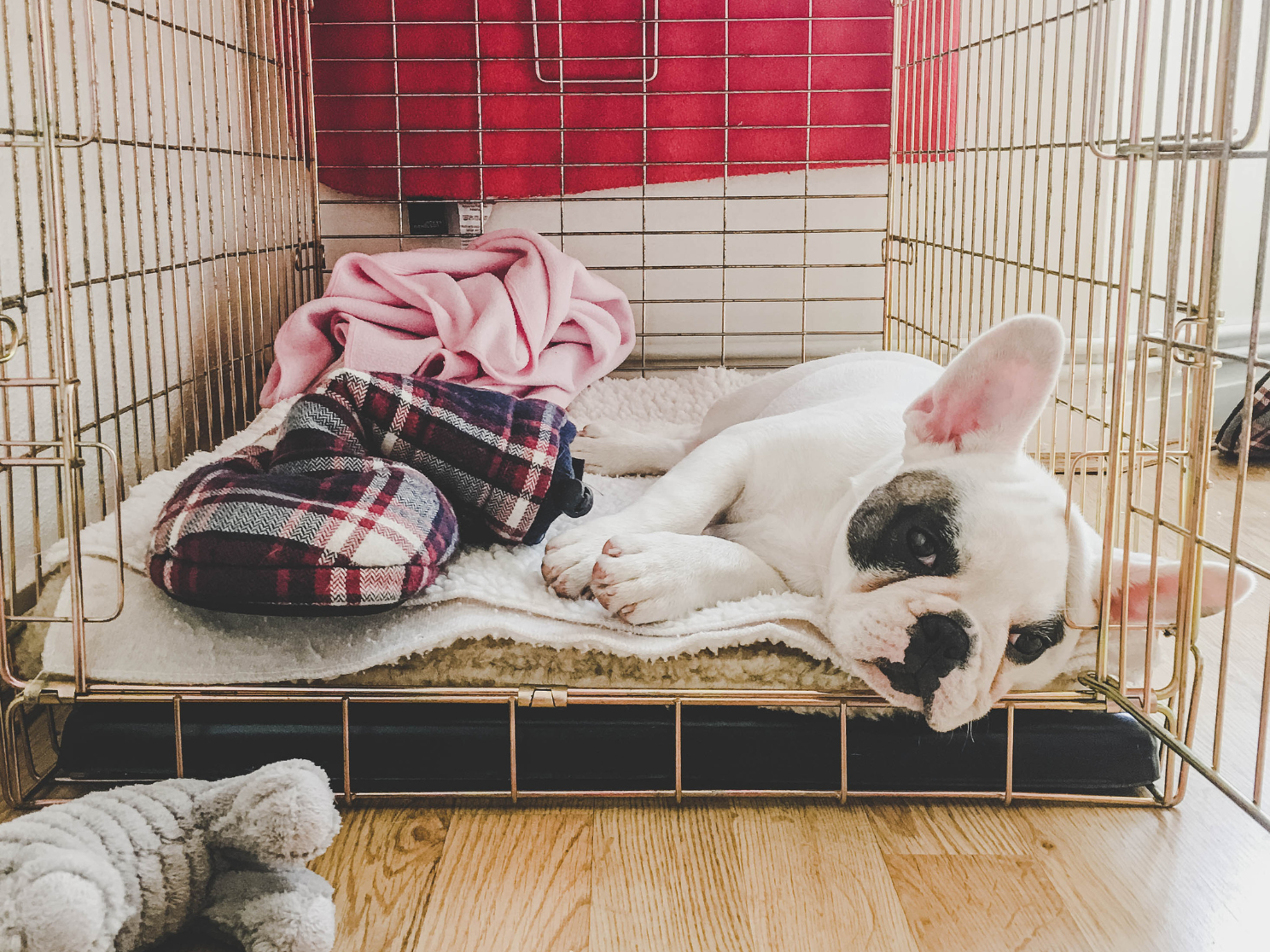
Crate training is a crucial part of the process, so we’ve covered the basics in this guide.
Why should you crate train a dog?
There’s a common misconception that keeping a dog in a crate is cruel or unkind, but this couldn’t be further from the truth.
Dogs naturally feel most relaxed when they can sleep in their own den. A spacious, covered crate that’s filled with soft bedding provides exactly that, and it only takes a few weeks for a dog to learn to love its crate.
For new puppies, crate training is instrumental in house training too. Below, we’ve explained how to get started.

- Choose a suitable crate
Different dogs require different types of crates and bedding. As for the size, try to choose a crate that’s spacious enough for your dog to stand up and turn around inside, but not too big.
Cosiness matters the most, because your dog needs to see the crate as their safe space. Add soft blankets and quality dog crate bedding made with washable fabric. Keeping the crate clean is important, so it’s worth making maintenance easy for you.
- Create positive associations
No matter the age of your new dog, you should start crate training by showing them that the crate is a fantastic place to be. Many owners start out by feeding the dog their meals inside the crate, since most pets love their mealtimes and quickly learn by association.
In the early stages of training, leave the crate door open during the day. Place your dog’s favourite blankets or a familiar scent inside the crate. Make sure you don’t leave the crate in a busy part of the house: utility rooms or cosy corners work perfectly.
- Work gradually
Crate training doesn’t happen overnight, especially with puppies.
Start with short, supervised sessions and use treats or your dog’s daily food allowance to keep building positive associations. Only start closing the door for short intervals once your puppy is confident going in and out.
Patience is required. You should expect your puppy to cry and bark in the crate at first, but it’s very important not to give them any attention or let them out of the crate while they’re doing it.
- Using safe dog treats and distractions
Another useful strategy is to provide something special for your dog to focus on while settling into the crate. Safe, long-lasting chews can make the crate feel even more inviting and give your dog something to enjoy and distract themselves with. For example, yak chews are a great option: they’re hard, long-lasting, and tend to hold a dog’s interest for quite a while.
Offer the chew only when the dog is calm and going into the crate voluntarily. This helps build a positive association between the crate and something your dog enjoys.
Make sure any chew is size-appropriate and safe for your dog, no pieces small enough to swallow or choke.
- 5. Keep up the routine
The final step is the most important: don’t give up! It’s normal for everyone to find the process frustrating, and you should expect to see some setbacks if you’re raising a puppy.
Stay positive and try to be consistent too. In time, your dog will learn that their crate is a cosy, safe space where they can retreat for undisturbed sleep during the day or overnight. Then, you can use it as a brilliant tool to keep your dog happy, relaxed and fulfilled.



It must be hard to ignore a puppy while it is crying. Reminds me of trying to get a toddler to sleep through the night
Good advice. Many years ago, our puppy chewed right through our brand new stair carpet so the vet suggested we invest in a crate. It became her happy place very quickly so it’s well worth following the suggestions in your post to get to that point.
My dog wouldn’t take to a crate very clingy as was a rescue dog