*This is a collaborative post.
Life is full of exciting moments—weddings, holidays, or big exams—and sometimes, our periods don’t arrive at the most convenient times. If you’re looking for a way to delay your period for a major event, you’re not alone.
Many women choose to delay their periods safely with the help of medication. Let’s explore how period-delaying tablets work when it might be a good idea to consider them, and some tips for managing your cycle.
How Period-Delaying Tablets Work
Period-delaying tablets, such as norethisterone, work by adjusting the hormone levels in your body. Normally, your menstrual cycle is controlled by the balance of oestrogen and progesterone. These tablets contain synthetic hormones that mimic progesterone, keeping your levels high enough to prevent your period from starting. The idea is simple: as long as progesterone stays elevated, the lining of your womb remains intact, delaying your period. Once you stop taking the tablets, your period will usually arrive within a few days.
When to Delay Your Period
There are various reasons why you might want to delay your period. Maybe you’re heading on a beach holiday, attending a wedding, or competing in a sports event. Whatever the occasion, it’s natural to want to feel comfortable and not have to worry about period cramps or unexpected leaks. Period delay treatment can be a convenient option in such cases.
However, it’s best to consider your individual circumstances. If you have a health condition or are already using hormonal contraception, you should discuss your options with a doctor to make sure period-delaying tablets are suitable for you.
Talk to Your Doctor First
While period-delaying tablets are generally safe for most women, it’s always advised to talk to a healthcare professional before taking them. Your doctor will be able to advise you based on your personal medical history and whether you are on any other medications. They will also guide you on the correct dosage and how long you can take the tablets for. You need to avoid using them if you are pregnant or have certain health conditions like blood clots or liver problems.
You can easily access period delay treatment through trusted services, like online consultations, where a qualified doctor can prescribe medication such as norethisterone, after assessing your needs.
Using Tablets Safely
If you’ve never used period-delaying tablets before, it’s natural to feel a bit cautious. However, they are a widely used treatment that many women find effective. Typically, you’ll start taking the tablets around three days before your period is due to begin, and continue to take them for as long as you wish to delay your period. Some women may choose to delay their periods for up to two weeks, but you should always follow your doctor’s instructions and avoid taking the tablets for longer than recommended.
Additionally, if you’re taking birth control pills, you might be able to skip your period by continuing to take the active pills without the week-long break. However, this isn’t suitable for everyone, so a conversation with your doctor is essential.
Possible Side Effects
Like any medication, period-delaying tablets can cause side effects for some women, although not everyone will experience them. Common side effects may include bloating, headaches, nausea, or breast tenderness, as your body adjusts to the hormonal changes. If any of these symptoms become troublesome, or if you notice unusual side effects such as sudden swelling or difficulty breathing, you should seek medical advice immediately.
Tips for Managing Your Cycle
If you’re thinking of delaying your period, it’s helpful to plan ahead. Here are a few tips:
- Speak to your doctor well in advance of your event. This gives you enough time to get the prescription and understand how to take the medication.
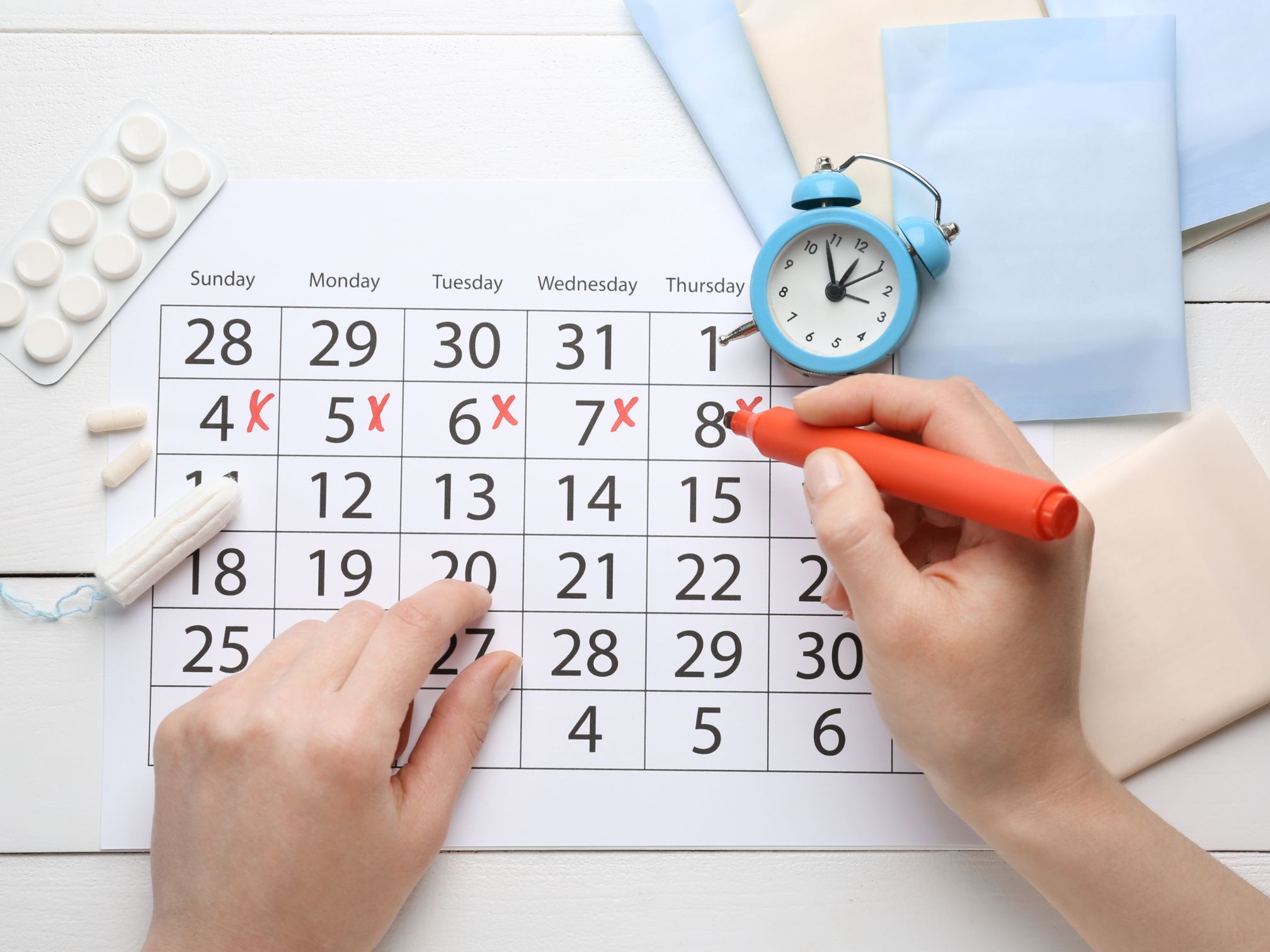
- Track your menstrual cycle so you know exactly when your next period is due. This makes it easier to know when to start taking the tablets.
- Stay hydrated and maintain a balanced diet. Some women find that healthy habits can help reduce the intensity of side effects.
- Listen to your body. If you’re feeling unwell or noticing changes in your cycle that concern you, don’t hesitate to contact a healthcare professional.
Delaying your period is a personal choice and should always be done safely. With the right guidance, you can confidently manage your menstrual cycle without letting it get in the way of life’s big moments.